
Review · WHALE WATCHING
From Skjervøy: Whale Watching in a Heated Cabin Cruiser
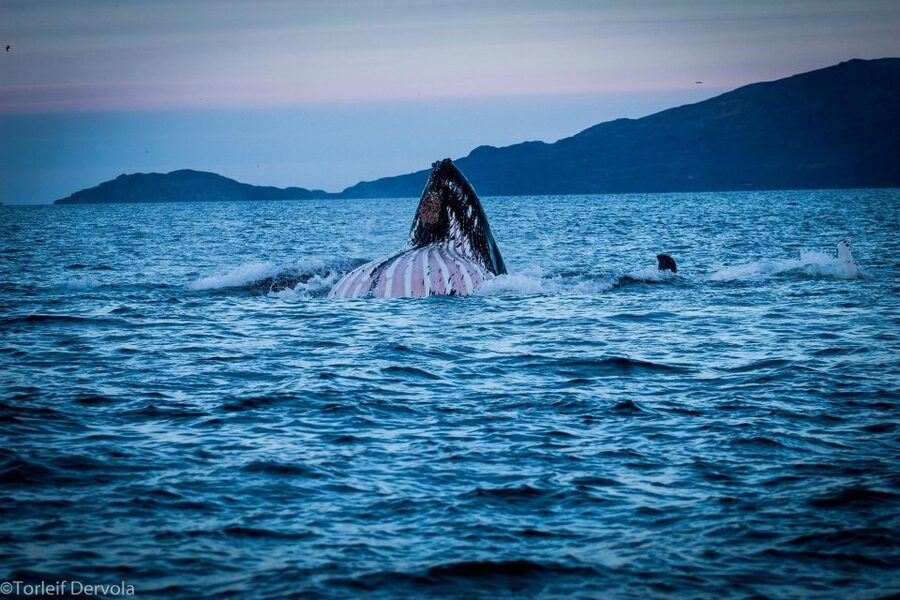
Warmth helps you spot whales. This Skjervøy whale-watching tour keeps you comfortable with a heated cabin and flotation suit, while the boat can use hydrophones so you can listen for whale sounds. One thing to keep in mind, though, is that you do not control closeness, so sometimes you may mainly see whales from a distance rather than getting that close view.
What makes this trip especially interesting is the setting. You cruise the fjords around Skjervøy, a place known for big gatherings of orcas from October to February when they feed on herring. You also have the option to move between indoor and outdoor areas as conditions change, so cold spray does not automatically end your photo session.
I also like the “practical comfort” approach. You get warm drinks and waffles, plus dry storage for bags and photo gear, and the skipper handles safety and positioning in a way meant to avoid disturbing wildlife. The vibe is more focused than frantic, but it is still a winter ocean trip, so dress for it.
In This Review
- Key things to know before you go
- Where you meet at Havnegata 16 and what happens first
- Warm flotation suit and safety briefing, why it changes your experience
- The first fjord cruise: searching for orcas, humpbacks, and fin whales
- Photo and viewing comfort: moving between heated cabins and open deck
- Break time at Skjervøy Marina: warmth and a quick reset
- Second whale-watching session: watching longer, not rushing
- Hydrophones: turning sightings into a full sensory experience
- What the warm cabin and dry gear really mean for value
- Price and value: is $278 for 4 hours worth it?
- Ethical viewing, and what to do if you only see backs
- Animal odds: when orcas feed on herring
- Who this tour fits best, and who might want to reconsider
- Quick booking guidance: should you book this Skjervøy heated cabin whale watch?
- FAQ
- How long is the whale-watching tour around Skjervøy?
- What does this tour cost?
- Where do I meet for the Skjervøy whale-watching tour?
- What’s included in the ticket price?
- Footwear and gloves are not included, so what should I bring?
- Will I get to listen to whales through hydrophones?
- What whales are you hoping to see from Skjervøy?
- Is the tour guided in English?
- Are there rules on board and flexible booking options?
Key things to know before you go
- Heated cabin + indoor and outdoor seating, so you can switch zones when weather turns
- Warm flotation suit plus a safety briefing before you head out
- Hydrophones may be deployed so you can listen to whales while you watch
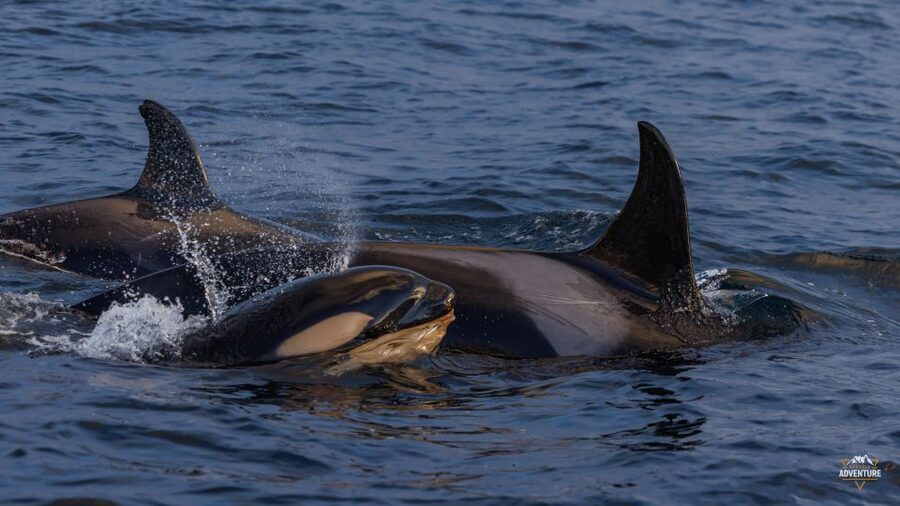
- Skjervøy orca season timing (October to February, with herring feeding)
- Refreshments included: hot drink and waffles, plus dry storage for your gear
- Dry storage for bags and camera gear, which matters in cold, wet wind
Where you meet at Havnegata 16 and what happens first
You start at Havnegata 16 in Skjervøy, at the office with the lit sign for Dervola Adventure. It is a straightforward meeting point, which is good because winter travel loves to make you rush.
Right after you check in, you’ll get a safety briefing. That matters here because you are going out on open fjord water, usually in cold conditions. You are also handed a flotation suit designed for warmth and staying comfortable if you need to be outside for whale spotting.
The tour runs about 4 hours, beginning around 09:30, with a return close to 14:00. That timing is built for daylight whale watching, which in winter makes a huge difference for both wildlife viewing and photography.
More Whale Watching in Norway:
- Tromsø Whale Safari with MS Gabriele
★ 4.3 · 1,937 reviews - From Tromso: Whale Watching in Magic Skjervoy
★ 4.7 · 1,207 reviews - Silent Whale Watching by Hybrid-Electric Boat from Tromsø
★ 4.5 · 1,017 reviews
Warm flotation suit and safety briefing, why it changes your experience
This is the kind of tour where comfort affects your patience. If you are freezing, you stop watching and start counting minutes. The warm flotation suit helps you stay outside longer when the skipper is searching for whales or when you want that best angle for photos.
During the briefing, the guide covers what to do on board and how to stay safe while moving between seating areas. I like that this tour treats the cold as a real factor, not as something you simply endure.
In the real world, wind can cut hard even when the sky looks calm. The setup here lets you keep engaging with the hunt, then retreat to warmth when you need it, without missing the action.
The first fjord cruise: searching for orcas, humpbacks, and fin whales
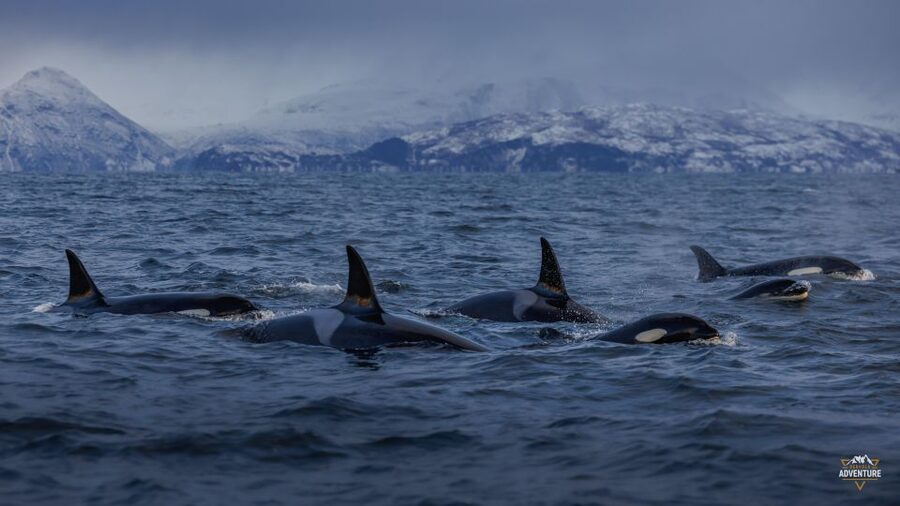
Once you’re on the boat, you cruise the fjords around Skjervøy looking for whales. The tour is specifically aimed at spotting orcas, and it also targets humpback whales and fin whales as possible sightings.
What I like about the “search” format is that it feels respectful and measured. You are not doing a frantic chase. The goal is to let the encounter happen the way it naturally does, while the skipper positions the boat so you can watch and photograph without crowding the animals.
You can move around the boat, including access to heated cabins as needed. That is a smart design for winter whale watching, because your best viewpoint may change as the whales surface in different places. You can adjust your spot without sitting out the good moment because you got too cold.
There is also a built-in listening tool. Even when you are just scanning the water, the hydrophone option means there is a chance you’ll pick up whale sounds, which adds a second layer to the encounter beyond sight alone.
Photo and viewing comfort: moving between heated cabins and open deck
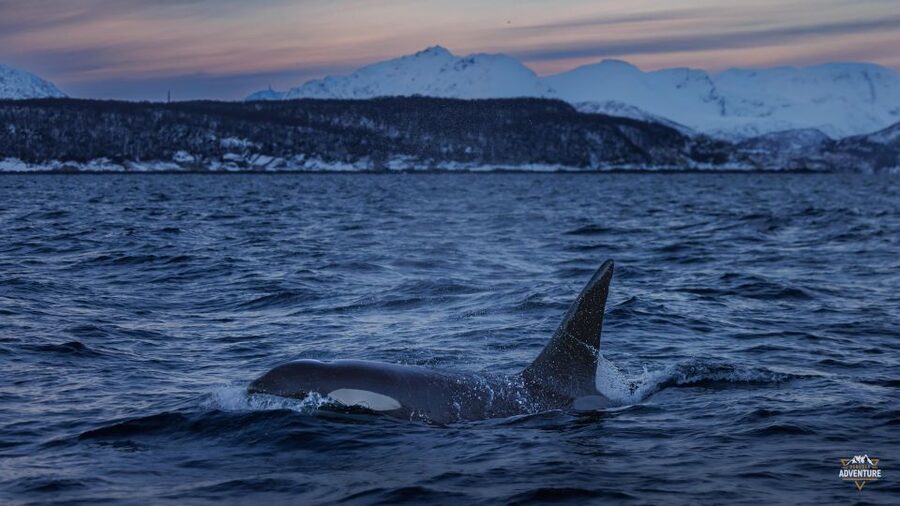
This boat is built for winter viewing: indoor and outdoor seating, plus heated cabins you can use when conditions are rough. That matters because in winter you often get waves and spray, even if the ocean looks manageable.
The tour also includes dry storage for bags and photographic equipment. If you’ve ever watched a camera situation go from “working fine” to “soaked and stressed,” you’ll understand why this is valuable. It lets you focus on framing shots instead of playing gear-protection games.
For photography, the key is timing and placement. The skipper works to get you in good positions for viewing, and when whales are nearby, you can adjust your angle from within the heated sections or the outside areas. Just remember, wildlife behavior sets the limits. You may get great viewing and clear angles one minute, then have a quiet stretch the next.
Same corner of the country, a completely different day out:
- From Bergen: The Original Fjord Cruise to Mostraumen
★ 4.7 · 8,440 reviews - Stavanger: Electric Fjord Cruise to Lysefjord & Preikestolen
★ 4.6 · 8,385 reviews - Tromsø: Northern Lights Safari with Expert Guides and Photos
★ 4.6 · 6,654 reviews - Tromsø: Reindeer Sledding & Feeding with a Sami Guide
★ 4.8 · 6,417 reviews
Break time at Skjervøy Marina: warmth and a quick reset
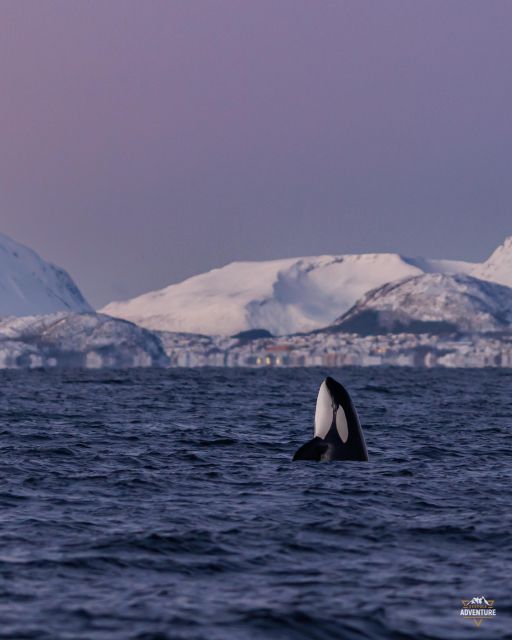
At around the middle of your trip, you’ll return to Skjervøy Marina for break time. This isn’t just a pause on paper. In cold weather, short breaks help you stay alert and comfortable for the second viewing session.
You’ll also have refreshments included, so you can warm up properly rather than just sipping something lukewarm. Hot drink and waffles are part of the tour, and they make the break time feel like a genuine reset instead of a waiting room moment.
In short, it’s the kind of schedule that helps you keep attention up for the later hunt. Because whale watching is not a “one-and-done” show. The second session is where the day can feel like it clicks into place.
Second whale-watching session: watching longer, not rushing
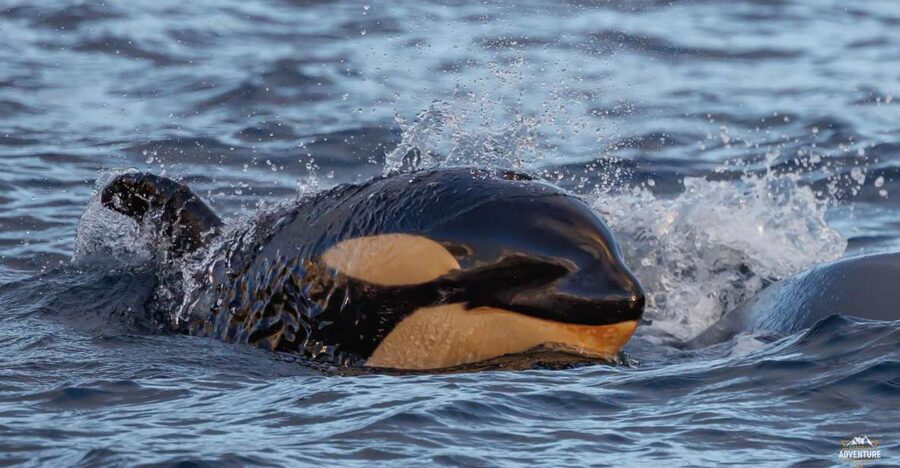
After break time, you head back out for another whale-watching stretch in the fjords. This is your chance for repeat viewing if the whales are active in the area, and it also gives you another shot at different species.
This is also where the overall “ethical distance” approach shows up. The skipper is there to answer questions, explain what you’re seeing, and position the boat when whales surface. The aim is to watch whales while respecting their space, not to force repeated close passes.
You’ll likely spend more time scanning water and watching how whales move between surface blows and dives. That can be genuinely fun, because it turns into a pattern you start to recognize: watch for the first sign, then track the direction and spacing of subsequent surfaces.
If conditions are good, the second session can give you better moments for photography and listening. If conditions are not ideal, the heated cabin option still makes it possible to enjoy the trip instead of just enduring it.
Hydrophones: turning sightings into a full sensory experience
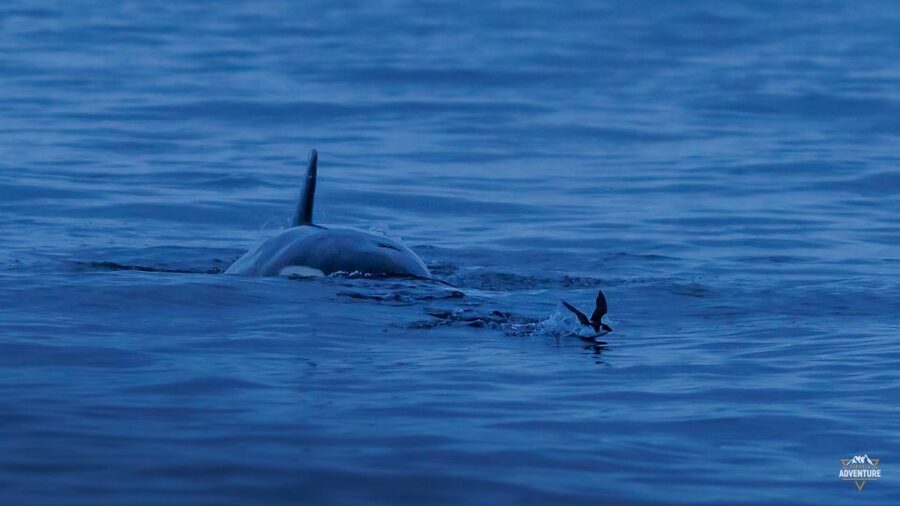
One of the standout features here is the use of hydrophones. The plan is not constant. Instead, the hydrophones may be deployed when the situation is right, giving you the chance to listen while you watch.
Even if you have never heard whale sounds live before, it changes the experience. You stop thinking only in visuals and start listening for signals in the water. That can make your spotting skills improve too, because your brain connects sound cues with surfacing behavior.
When the hydrophone is available, take a moment to sit, watch less frantically, and just listen. You’ll notice how often whales communicate and how their presence can feel bigger than a brief splash on the surface.
What the warm cabin and dry gear really mean for value
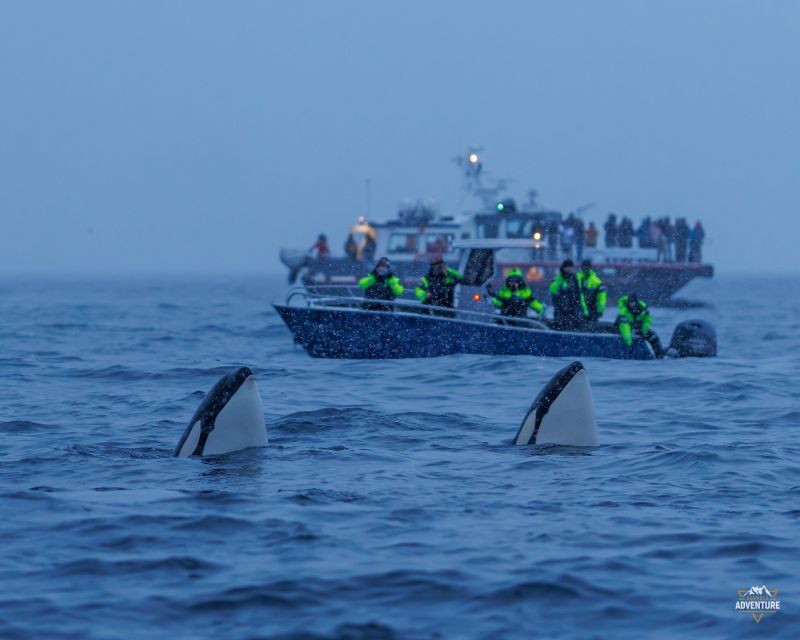
Many whale tours include “comfort” in theory, but this one builds it into the activity. The heated cabin, indoor seating, and heated sections mean you can keep participating even when the weather is chilly.
Add in dry storage for bags and your photo setup, and you reduce a huge source of stress. Instead of worrying about keeping everything dry, you can plan to shoot when whales surface. That matters for the overall value because it turns the trip from “a cold boat ride with a chance to see whales” into something closer to a real outing.
There’s also the warm flotation suit. That’s not glamorous, but it is effective. It helps you stay outside long enough to enjoy the fjord views and wait for whale behavior that takes time.
Price and value: is $278 for 4 hours worth it?
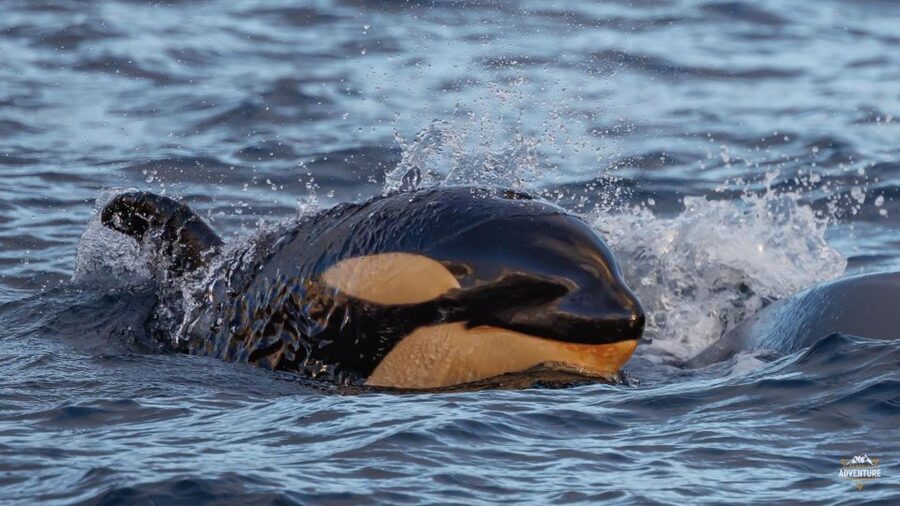
At about $278 per person for a 4-hour tour, this is not a budget whale trip. The value comes from the combination of comfort and what you’re paying for operationally: a warm cabin setup, flotation suits, experienced guiding, and the gear-protection you get with dry storage.
You are also paying for the conditions that make Skjervøy special. This area is known for orca gatherings in the colder months, and the tour is designed to focus on that window (October to February). That seasonal focus matters because it increases the chance you are not just “hoping for whales.”
Then there are the inclusions that reduce your out-of-pocket costs on the day: hot drink and waffles, plus the suit. Also, the boat setup helps you stay engaged, which is an underrated part of value.
The drawback is simple: you still cannot control whale closeness. If you expect a guaranteed near view every time, you may feel disappointed. The best expectation is good positioning with respectful distance, plus a warm, enjoyable ride whether whales are active nearby or not.
Ethical viewing, and what to do if you only see backs
The tour is built around respectful wildlife viewing. That typically means you get a decent viewing angle without aggressive chasing.
Still, one review note you should consider is the trade-off between ethics and closeness. If you end up seeing mostly the whales’ backs rather than a front-on view, it can feel like less value. That experience can happen when whales stay farther out or choose a different route than you hoped.
My advice is to set your expectation like this: the tour is about a careful search, comfort while you watch, and the chance for multiple sightings across two viewing sessions. If you’re satisfied with great sightings, sound, and good photo conditions when whales cooperate, you’ll be much happier.
Animal odds: when orcas feed on herring
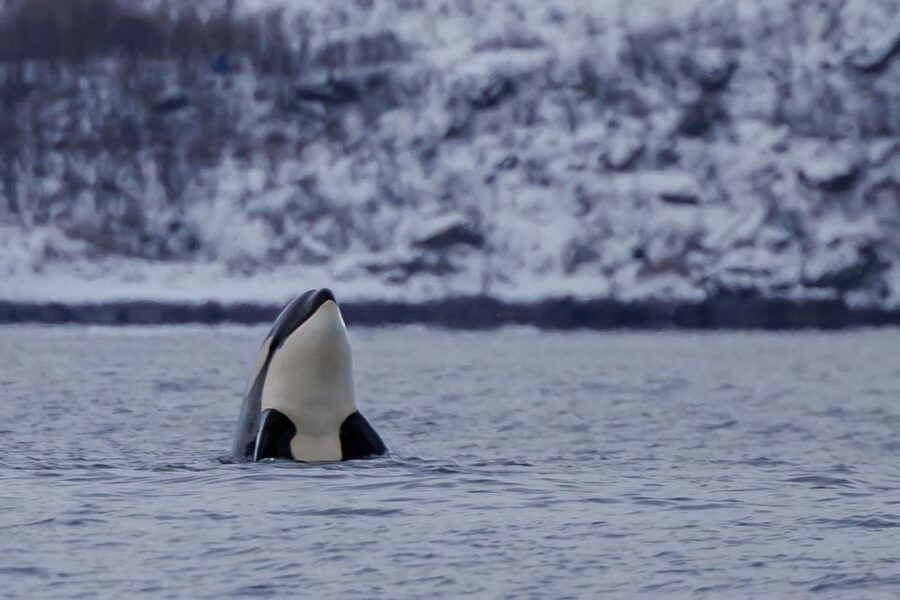
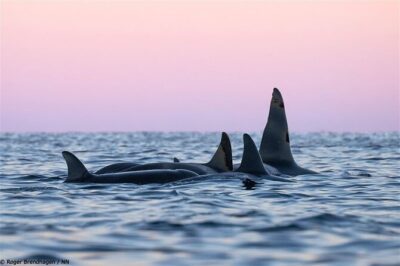
The tour points you toward Skjervøy’s orca season. From October to February, orcas come to feed on herring. That timing is not just trivia. It’s the reason whale watching in this area can be so promising.
You should also expect the possibility of other species during the same window. The tour targets orcas first, then you might see humpbacks and fin whales depending on what’s in the area during your time on the water.
In other words, you are not booking a single-species guarantee. You are booking a focused search in a region where orcas and other whales are likely to be present during the colder months.
Who this tour fits best, and who might want to reconsider
This tour fits you if you want whale watching that is comfortable and practical. The heated cabin, indoor seating, and warm flotation suit make it a strong choice for winter days when you do not want to spend hours shivering.
It also fits photographers. Dry storage and the ability to move around the boat help you capture better moments. And the option of hydrophones gives you a more complete experience than sight-only watching.
You might want to reconsider if your top priority is guaranteed close-up views. Because ethical distance and whale behavior both matter, you might not always get the ultra-close moments you see in marketing photos.
If you hate cold and you want warmth built into the plan, you’re in the right place. If you only enjoy whale watching when you get perfect proximity every time, you might end up frustrated.
Quick booking guidance: should you book this Skjervøy heated cabin whale watch?
I think it’s a strong buy if you’re traveling in the winter season and you want a tour that handles cold weather like it matters. The heated cabin, flotation suit, and dry storage make a real difference. Add in hot waffles and a shot at hydrophones, and it becomes more than a quick water excursion.
Book it if you like a respectful approach, want two sessions of time on the water, and you’re happy to let whales set the pace. I would not book it expecting guaranteed close encounters, but I would book it for comfort, sound, and the chance to watch real orcas in a serious whale-watching region.
If your schedule allows, aim for the October to February window when orcas are associated with herring feeding.
FAQ
How long is the whale-watching tour around Skjervøy?
The tour lasts about 4 hours.
What does this tour cost?
The price is listed as $278 per person.
Where do I meet for the Skjervøy whale-watching tour?
Meet at the office at Havnegata 16. Look for the lit Dervola Adventure sign.
What’s included in the ticket price?
You get 4 hours to find and watch whales, a heated cabin, indoor and outdoor seating, dry storage for bags and photographic equipment, a hot drink and waffles, and a warm flotation suit. You also travel with an experienced whale-watching skipper or guide.
Footwear and gloves are not included, so what should I bring?
Bring warm clothing, a hat, gloves, and warm shoes. Footwear and gloves are not included, so plan to pack your own.
Will I get to listen to whales through hydrophones?
The tour includes hydrophones that may be deployed so you can listen to whales when the situation is right.
What whales are you hoping to see from Skjervøy?
The tour focuses on orcas and also aims for humpback whales and fin whales.
Is the tour guided in English?
Yes, the live tour guide language is English.
Are there rules on board and flexible booking options?
Smoking is not allowed on the tour. You can cancel up to 24 hours in advance for a full refund, and there is a reserve now, pay later option to keep your plans flexible.
Recently added around Norway
- From Honningsvåg: VIP North Cape and Kingcrab Tour★ 4.4 · 93 reviews
- Bergen: Power of Vøringsfossen – our Most Iconic Waterfall★ 4.6 · 10 reviews
- Ulvik: Hardangerfjord Ultimate RIB Tour★ 4.7 · 39 reviews
- Voss High Rope & Zipline Park★ 4.7 · 3 reviews
- Ulriken Bergen: Enjoy a 3-course lunch with panoramic views★ 4.9 · 21 reviews
- Ulvik adventure: Exploring Hardangerfjord’s Osafjord by RIB★ 4.7 · 22 reviews
- Tromsø: Winter Fjord Road Trip★ 4.8 · 102 reviews
- Tromsoe: Make your own silver ring in a goldsmith workshop★ 4.9 · 124 reviews
Whale Watching, compared.
Silent Whale Watching by Hybrid-Electric Boat from Tromsø
Read our review →
Bleik: Whale Watching by Speedboat with Puffins and Muffins
Read our review →
24hr Northern Lights & Whale Watching Cruise
Read our review →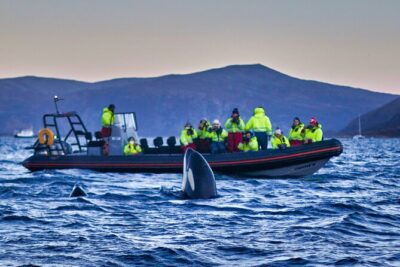
Whale Watching RIB Boat Tour in Skjervoy from Tromso
Read our review →Browse the lists this tour appears in