
Review · HORSE RIDING
Tromsø: Horseback Riding Tour
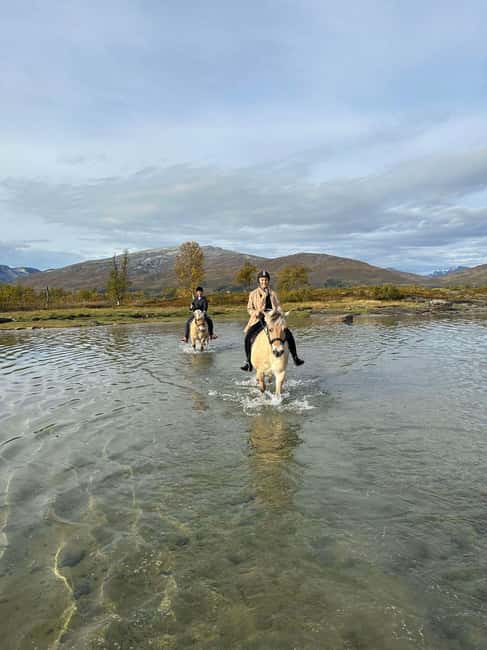
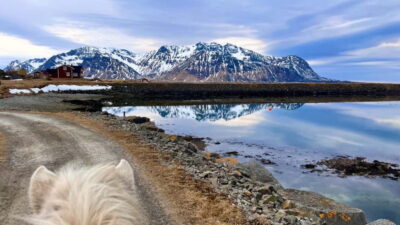
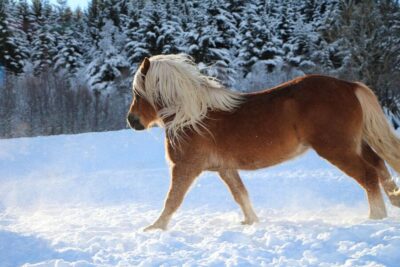
Tromsø, with horses, not the usual tour. You get a guided ride on Kvaløya Island (only about 18 minutes from the airport) with a small group, in winter or summer, right at a working farm. It is one of those activities where the setting does half the work: sea air, Arctic light, and the kind of silence you only notice when you stop talking.
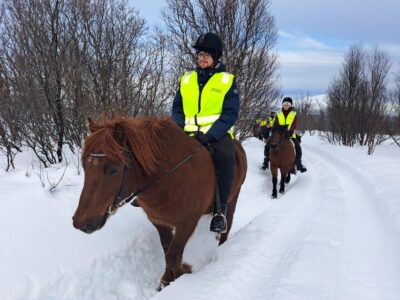
What I like most is the safety-first setup and the care shown for the horses. You start with a safety briefing, wear a provided helmet, and you are placed with a guide who stays attentive, including for nervous riders. The other big win is the animal factor, you may spot moose, eagles, or even seals out at sea, and the ride can go onto shore or beach depending on tide. One drawback to consider: in winter, snow can limit where you can ride, so parts of the coast you hope for may not be reachable on horseback.
In This Review
- Key things that make this tour worth it
- Tromsø to Mari Sletta Farm: fast, simple arrival
- Getting your horse and gear: helmets, briefing, and real farm time
- The 150-minute experience on Kvaløya: what the ride actually feels like
- Norways national breeds: why it is more than just a cute horse photo
- Wildlife on the ride: moose, eagles, and seals without chasing them
- World War 2 stories at the farm: local history in plain language
- Safety and weather in Tromsø: what changes day to day
- Price and value: is $262 per person fair?
- Who this tour suits best (and who might skip it)
- Should you book this Tromsø horseback riding tour?
- FAQ
- How long is the Tromsø horseback riding tour on Kvaløya?
- Where do I meet the guide?
- What should I bring for the tour?
- Is a helmet provided?
- What wildlife might I see during the ride?
- Who should not book this activity?
Key things that make this tour worth it
- Small group size (max 5) means more time with your guide and less crowding around the horses
- Norway’s national breeds are part of the story, you learn about Fjordhorse, Lyngenhorse, and Dølahorse
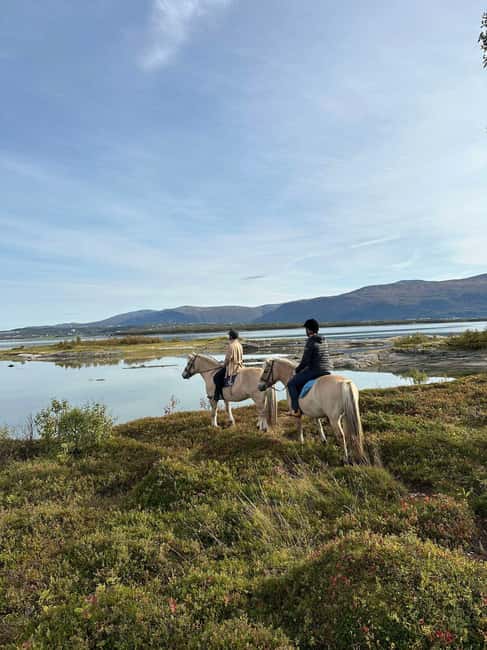
- Tide-dependent riding: you may ride on the shore or the beach, so the sea is built into the plan
- Wildlife chances: moose, eagles, and seals are possible highlights in the area
- Hands-on horse time: expect time for brushing and getting the horse kitted up before the ride
- Weather reality: stormy conditions can cancel the tour, so build in flexibility
Tromsø to Mari Sletta Farm: fast, simple arrival
This tour is based at Mari Sletta Farm, and the meeting point is Straumsvegen 766a. If you are driving, the directions are straightforward: park with the first red building on the right after you turn off the main road. Walk down to the biggest red barn on the left side, where the guide meets you.
If you are using public transport, you can take the Svipper bus 420 from Tromsø to the Marisletta stop. From there it is an easy walk of about 3 minutes toward the farm, and you should look for a sign by the road for Kattehotell as you head down to the bigger barn.
That easy arrival matters more than it sounds. When you are heading into cold Arctic weather, you want less time spent hunting down the right turn or standing around with cold hands before you even meet the horses.
A few more Tromsø days worth weighing up
- Tromsø: Northern Lights Safari with Expert Guides and Photos
★ 4.6 · 6,654 reviews - Tromsø: Reindeer Sledding & Feeding with a Sami Guide
★ 4.8 · 6,417 reviews - Tromsø: Northern Lights Pioneer Tour with Photos Included
★ 4.8 · 6,048 reviews
Getting your horse and gear: helmets, briefing, and real farm time
The tour starts with a quick safety briefing, about 5 minutes, then you shift from “tour mode” to “horse mode.” Helmets are included, and the guide focuses on making sure you know what to do before you get on. I like how practical this is, it is not just a lecture, it is the kind of prep that helps you feel in control.
You also get time that goes beyond sitting on a horse. In practice, this often includes brushing and getting the horse ready, basically the day-to-day rhythm of a horse owner. Some rides also include a warm place to wait or recover briefly, which is a big quality-of-life detail when you are bundling up in Arctic weather.
If you are a beginner, this is one of the better formats. You spend time learning the basics with the horses before heading out into wind-sheltered areas. And if your hands or legs run cold, it helps to know there is clothing support that may be available on the day, like fleece layers used over regular pants in very cold wind.
Quick reminder: the tour does not allow feeding animals, and it also lists no smoking and no alcohol or drugs. That keeps the experience focused on safety and horse welfare.
The 150-minute experience on Kvaløya: what the ride actually feels like
The total time on the schedule is 150 minutes, and the riding portion is about 2 hours. Plan for a pace that feels unhurried, because your time includes meeting the horses, getting equipped, and taking in the surroundings while the guide manages the group.
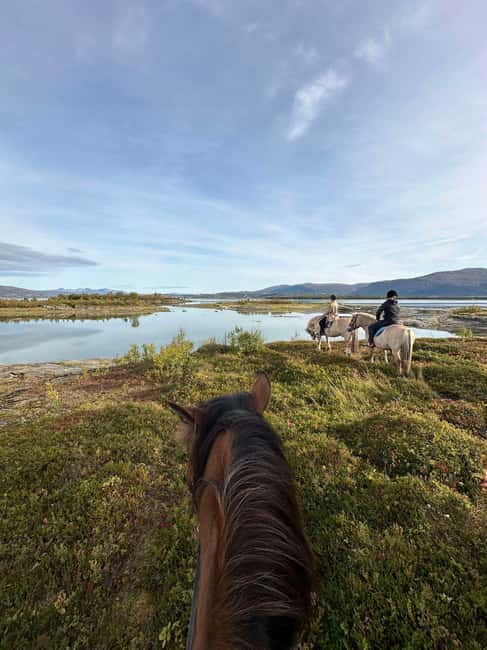
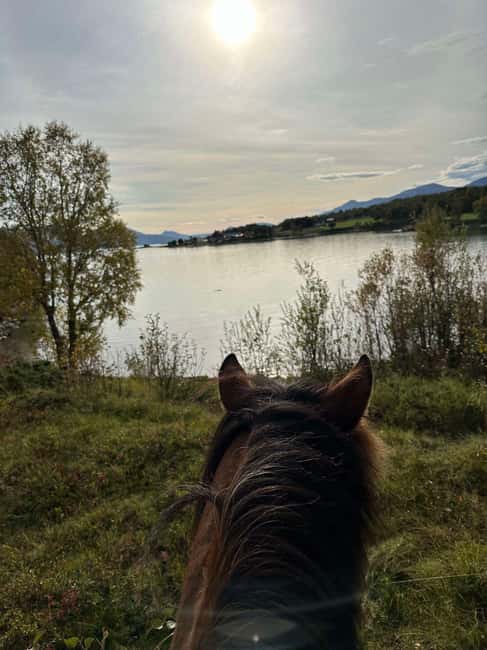
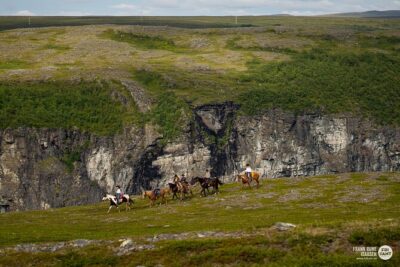
Kvaløya is close enough to Tromsø to feel like a day trip, but it still feels like you left town. The area is wide open, and that changes how you experience it from horseback. Instead of looking at views from a viewpoint, you are moving through them at horse speed, with your attention drawn to the trail surface, the weather, and the small movements of your horse.
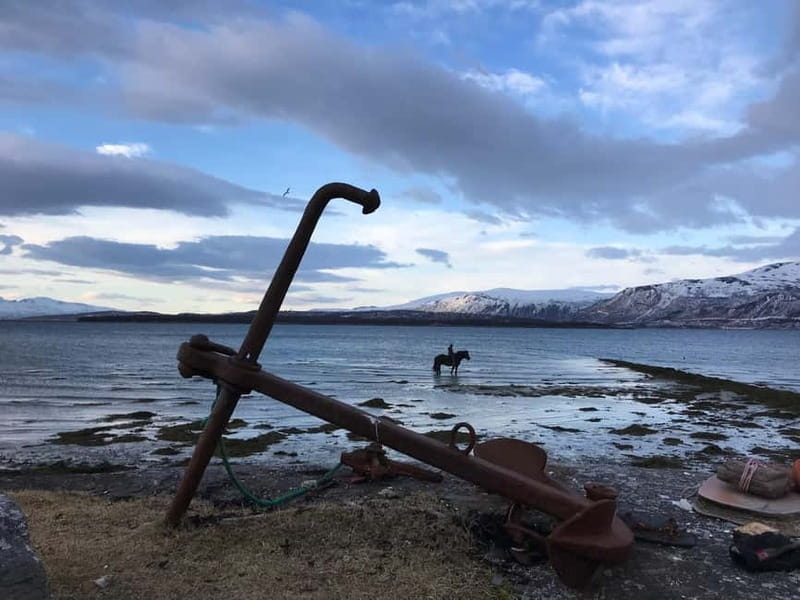
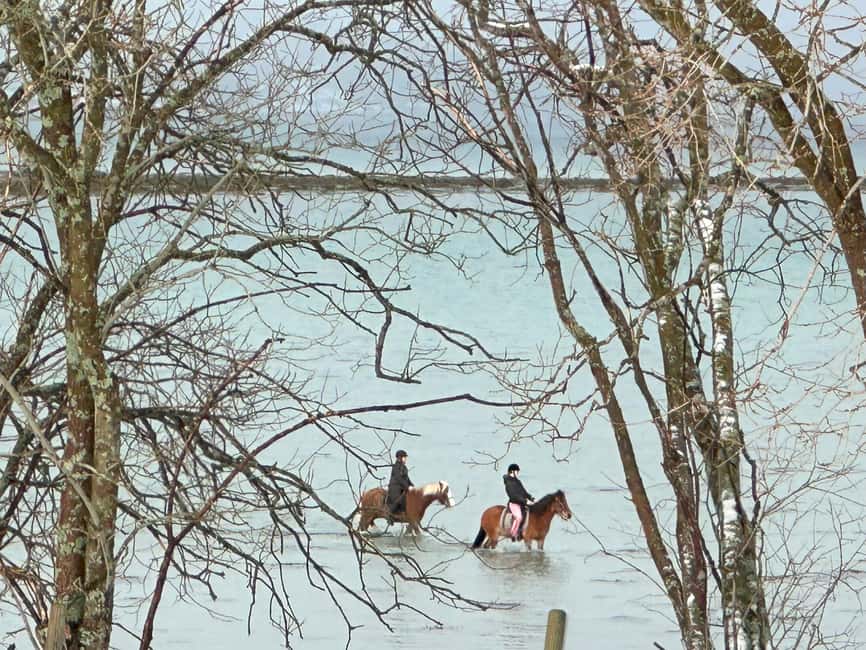
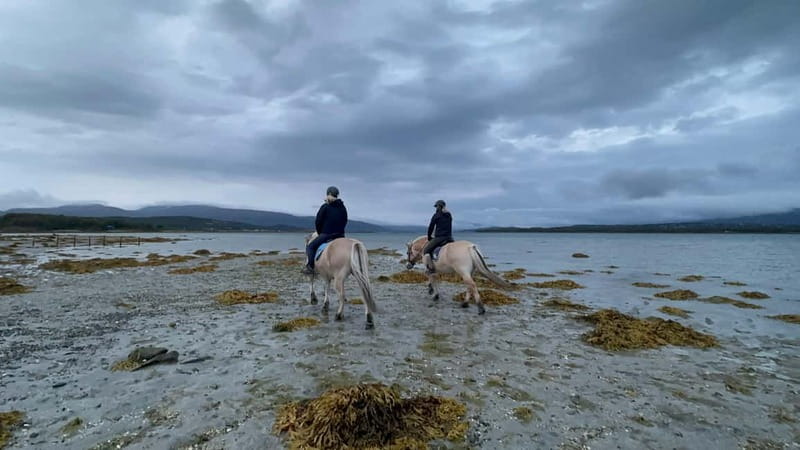
One detail that really shapes your ride: tide decides the route. Depending on low or high tides, you may ride on the shore or out near the beach. That can make a huge difference in what you see, and it helps explain why the experience feels so tied to the local environment.
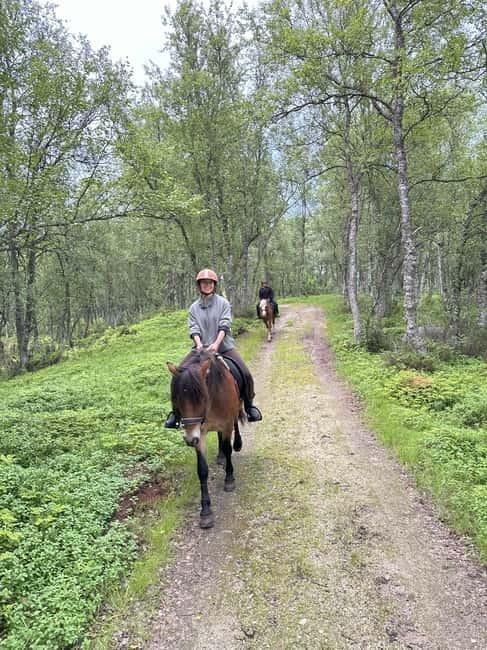
You might also notice how little time is spent on roads. In snowy seasons especially, the route tends to favor woods and sheltered terrain over constant road travel. The goal is to keep things comfortable, safe, and doable in Arctic conditions.
Norways national breeds: why it is more than just a cute horse photo
You are not only riding a horse, you are learning about Norway’s horse heritage. The tour includes three Norwegian national breeds: Fjordhorse, Lyngenhorse, and Dølahorse. You get information on their history, which gives the experience context that you would miss if this were just a generic trail ride.
Why that matters for you: breed history often explains temperament and how handlers work with the horses. In other words, you are more likely to understand why the horse you are riding is calm, how it responds to new riders, and what the guide is doing to keep the ride smooth.
You will likely ride a horse from one of these breeds, and the guide will help you connect the animal to the place. That is part of why this tour feels like a real farm experience, not a quick activity tossed in for tourists and done in five minutes.
Same corner of the country, a completely different day out:
- Tromsø: Arctic Fjord Cruise & Fishing Experience
★ 4.7 · 4,588 reviews - Tromsø: Self-Drive Husky Dog Sledding Adventure
★ 4.9 · 4,162 reviews - Tromsø: Fjords and Sommarøy Islands Tour with Salmon Picnic
★ 4.7 · 3,922 reviews - Tromsø: Northern Lights Chase with Photos and Bodysuits
★ 4.5 · 3,378 reviews
Wildlife on the ride: moose, eagles, and seals without chasing them
One of the biggest selling points here is the chance to see arctic wildlife. The area around Kvaløya can offer sightings of moose, eagles, and seals out in the sea. You are not guaranteed to see all of them, but the tour is designed in a way that keeps wildlife possible.
How to make the most of it: stay steady on your horse, listen for the guide’s cues, and keep your eyes scanning rather than craning or shouting. If the group spots something, the guide will handle the spacing and timing so people do not spook wildlife or tangle horses.
Also, do not expect to feed or interact beyond what the guide allows. The rules are clear about not feeding animals, and that is for both your safety and the animals’ welfare.
If wildlife shows up, it will feel real because you are close to the habitats, not just parked at the edge of a fenced area. The sea-and-shore component, driven by the tide, also improves your odds of noticing marine life.
World War 2 stories at the farm: local history in plain language
Another highlight is farm history during World War 2. Even without dramatic reenactments, this kind of stop matters, because it connects the Arctic setting to human life, work, and resilience.
You do not just ride through scenery. You start at the farm, hear the background, and then move into the field. When a guide can explain how the farm and its owners fit into wartime realities, it turns the ride into something more meaningful than a scenic walk with hooves.
Keep in mind, your time is still mostly spent outdoors, riding and watching conditions. So treat the WWII story as a bonus layer, not a museum visit.
Safety and weather in Tromsø: what changes day to day
In the Arctic, weather is not background noise, it is the main character. This operator places a strong priority on both horse welfare and customer safety, and that can mean cancellations when conditions are stormy or unsafe. It is worth building the tour into a window where you can adapt, even if your plans are firm.
That also means your route can shift. In winter especially, snow can affect where you can ride. One of the more thoughtful considerations from past participants is that the coastal section you may hope to cover can be limited when snow blocks access. In those conditions, the ride may concentrate more on what the horses and trail allow rather than a specific coastline fantasy.
The practical takeaway for you: dress like you mean it, and bring confidence that the guide will adjust the plan when nature makes the rules.
Price and value: is $262 per person fair?
At $262 per person for about 150 minutes, this is not a budget activity. But you are paying for a small-group experience, direct guiding, helmet support, and a real farm interaction with Norway’s horse breeds. It is also a winter-ready activity where staffing and risk management matter, which generally raises costs compared with easier, warmer tours.
I also think the value comes from what you actually get time-wise. You are not only spending two hours riding. You also get a safety briefing, horse prep time, and you learn breed background plus the farm’s WWII history. That “education as part of the day” feels more useful than a quick explanation right before you leave.
Where value lands best:
- You want an authentic farm encounter, not just a photo stop
- You enjoy outdoor time and can handle cold, even when it is windy
- You are open to route changes based on snow and tide
Who this tour suits best (and who might skip it)
This is described as suitable regardless of age and experience, with the minimum age set at 10 years. It is not recommended for everyone, though. It lists several “not suitable for” categories, including pregnant women, people with animal allergies, and people over 209 lbs (95 kg).
So if your body and health fit the criteria, it can be a great choice for beginners who want a structured first riding experience. The guide approach is part of the appeal, with extra patience and careful checking in, especially if someone is anxious about horses.
It is also a good match if you are a wildlife watcher who likes the idea of moose or sea sightings rather than expecting guaranteed action. You want possibilities, and you want a route that spends time in the right places.
Should you book this Tromsø horseback riding tour?
I would book it if you want a horseback ride that feels grounded in place, with small-group care, strong safety habits, and a chance to see Arctic wildlife. The tide-dependent shore or beach riding is the kind of detail that can make the whole experience feel different from a generic trail ride.
I would hesitate if you are traveling with zero flexibility about weather. In stormy conditions the tour can be canceled, and snow can also limit where you can ride during winter. If you can accept that your route may be adjusted and your main goal is the farm-and-horse experience, you will likely feel good about the $262 price.
FAQ
How long is the Tromsø horseback riding tour on Kvaløya?
The duration is 150 minutes total, with about 2 hours spent on sightseeing and horseback riding after a short safety briefing.
Where do I meet the guide?
The meeting point is Marisletta gård, at Straumsvegen 766a. Park by the first red building on the right after you turn off the main road, then walk down to the biggest red barn on the left where the guide meets you.
What should I bring for the tour?
Bring comfortable shoes and warm clothing. Gloves and weather-appropriate layers are strongly recommended, since you will be outdoors in Arctic conditions.
Is a helmet provided?
Yes. Helmets are included with the tour.
What wildlife might I see during the ride?
The tour highlights include possible sightings of moose, eagles, and seals in the sea. Sightings are not guaranteed, but the ride area is chosen to keep wildlife possible.
Who should not book this activity?
It is not suitable for children under 10, pregnant women, people with animal allergies, and people over 209 lbs (95 kg).
Recently added around Tromsø
- Tromsoe: Make your own silver ring in a goldsmith workshop★ 4.9 · 124 reviews
- Tromsø: Winter Fjord Road Trip★ 4.8 · 102 reviews
- Tromso: Visit 5 Fjords in 4 hours★ 4.2 · 23 reviews
- Tromsø: Whale Watching on hybrid boat with scenic bustrip★ 4.1 · 30 reviews
- Tromsø: Senja Fjords & Coast Day Tour with FREE Photos★ 4.8 · 125 reviews
- Tromsø Sweet Temptations Tour: Afternoon Tea & Other Sweets★ 4.9 · 9 reviews
- Tromsø: Walking Tour with Museum Visit★ 3.3 · 3 reviews
- Tromsø: Summer Fjord Road Trip with Citizen Science★ 4.8 · 29 reviews
Horse Riding, compared.
Browse the lists this tour appears in