
Review · OSLO TOURS
Oslo Nature Walks: Island Hopping Tour
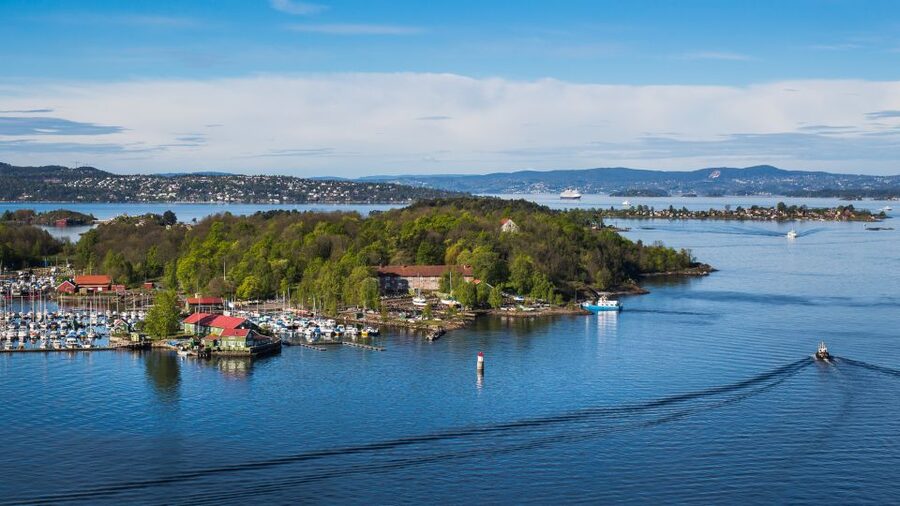
Ferries, ruins, and cabins, all in half a day. This Oslo island-hopping walk strings together public ferry rides with guided nature trails on Hovedøya, Gressholmen, and Lindøya, where you’ll move from medieval faith to wartime leftovers and finish with fjordside cabin views.
I especially love how the tour mixes big sights with real walking time. On Hovedøya, you get guided ruin-hunting among chambers and rooms at a nearly 1,000-year-old abbey, plus coastline stops with outlook moments that make the effort feel worth it. I also like the variety in what you walk on, from sheep pastures and birch forests to gravel and stone paths, so the scenery keeps changing.
One thing to plan for: you’ll cover about 7 km (around 10,000 steps) on uneven paths. If it’s rainy or icy, this can feel long, and the tour is not suitable for children under 9 or wheelchair users.
In This Review
- Quick takeaways (what you’ll remember)
- Why Oslo fjord islands feel like a real change of pace
- Getting started at Rådhusbrygge (and why arriving early helps)
- Hovedøya: abbey ruins, monks, and Napoleonic ramparts
- Gressholmen: Oslo’s first airport and wartime buildings on foot
- Lindøya cabin island: flower paths, lookout points, and picnic time
- The real work: shoes, distance, and how winter changes the walk
- Price value: what you get for $69 and why it can feel fair
- How long it takes, and how many islands you’ll actually see
- Guides and what makes the tone of the tour work
- Should you book Oslo Nature Walks Island Hopping Tour?
- FAQ
- How long is the island-hopping tour in different seasons?
- How many islands do you visit?
- Where do I meet for the tour?
- Is the guided tour and ferry transport included?
- Are warm drinks included?
- Do I need to bring lunch?
- What should I wear or bring?
Quick takeaways (what you’ll remember)
- Hovedøya abbey ruins plus stories of monks and Norway’s shift from Viking-era life to Christian Europe
- Napoleonic-era ramparts and cannons on the island trails, a surprising stop in a nature setting
- Gressholmen history tied to Oslo’s first airport and military buildings on a nature reserve
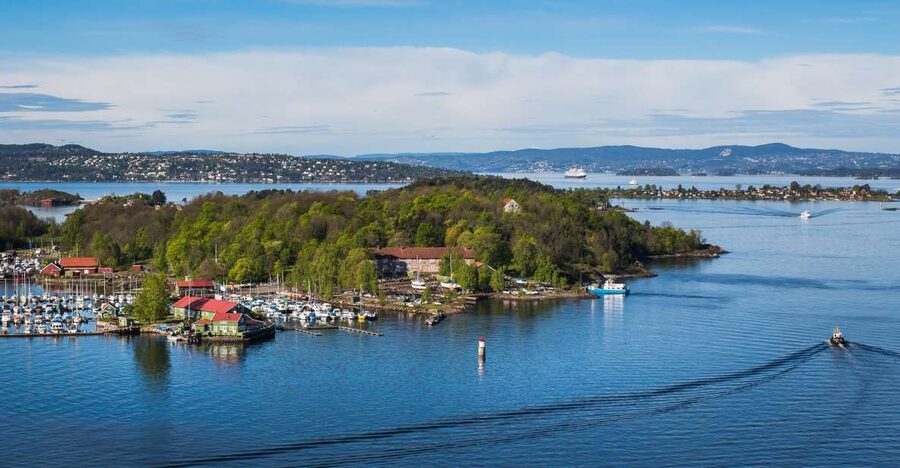
- Lindøya cabin island paths with flowers, lookout points, and that classic Oslo fjord “holiday retreat” vibe
- Guides who keep the group moving with English commentary, warm drinks in colder months, and extra help when paths get slippery
Why Oslo fjord islands feel like a real change of pace
Oslo looks clean and modern from the city center, but the fjord islands tell a different story. In just a few ferry hops, you leave the streets behind and step into a world of quiet paths, sea air, and shoreline viewpoints. It’s one of the best ways to understand how Oslo connects to water, not just around it.
The pacing matters. You get short ferry rides, then actual walking time on each island, usually around an hour per stop in summer. That means you’re not just staring at the scenery from a deck. You’re seeing it on foot, which is how the islands reveal themselves, especially where trails twist through birch forest or climb toward fortifications.
And the best part is the mix: nature plus layered history. You’ll go from abbey ruins to 19th-century defensive structures, then onward to a militarized island past, and finally to the soft life of cabin homes and flower-lined gardens.
A few more Oslo days worth weighing up
- Oslo: Oslo Fjord Sightseeing Cruise by Sailing Ship
★ 4.5 · 5,790 reviews - Oslo: Scenic Fjord Cruise with Audio Guide Commentary
★ 4.5 · 5,375 reviews - Oslo: 24 or 48-Hour Hop-On Hop-Off Sightseeing Bus GrayLine
★ 4.0 · 2,088 reviews
Getting started at Rådhusbrygge (and why arriving early helps)
Your meeting point is Rådhusbrygge 4, near public ferry Platform E by the restaurant Fisketorget. Show up about 10 minutes early. It’s not a long wait, but this tour starts with a ferry rhythm, and you do not want to be the person arriving late and rushing through the group.
The tour uses public ferries between islands. That’s part of the value, because you’re getting the real transport experience rather than a private boat tour. It also gives you a predictable flow: step onto the ferry, get a short sail, step off and walk, repeat.
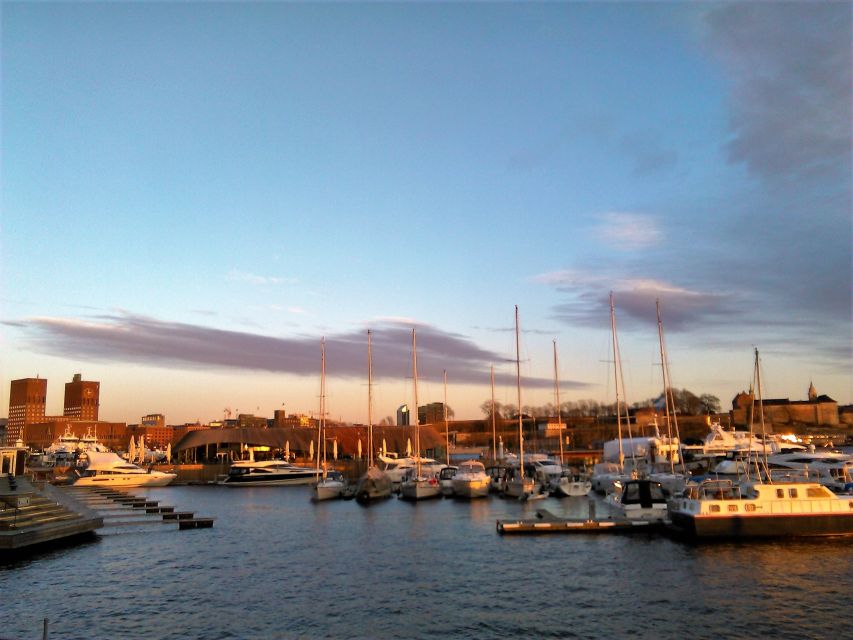
On the return trip, you also get a nice city “grand entrance” feeling. Riding back into the port area gives views of Akershus Festning (the old fortress), Oslo City Hall, and the revitalized Aker Brygge area. It’s a good final payoff after hours of island walking.
Hovedøya: abbey ruins, monks, and Napoleonic ramparts
If you love history that is physically on the ground, Hovedøya is the stop that delivers. The tour spends about 1 hour here in the warmer season (and it stays a key focus whenever this itinerary runs). After a photo stop and a guided walk, you’ll get into the abbey ruins.
What makes this island feel special is how the story connects eras. You’ll hear about English monks who came after the Viking period and helped Christianize post-Viking Oslo. The abbey on Hovedøya is nearly 1,000 years old, and walking among chambers and rooms helps the scale sink in fast. It stops being a textbook idea and becomes a place.
Then the trail turns practical and scenic at the same time. You’ll move through sheep pastures and birch forest, and then head toward old ramparts and cannons from the 19th-century Napoleonic Wars. That contrast is what I like most. You start with medieval faith and end with defensive leftovers from a much later Europe-wide conflict.
Expect the route to include:
- guided ruin time with time to look closely
- coastal walking and lookout stops
- beach or viewpoint moments before you rejoin the ferry
A small caution: the ruins and paths can be exposed. Even if the walking is not extreme, you’ll feel wind coming off the water. Comfortable shoes are a must, and in colder months you’ll want layers.
Gressholmen: Oslo’s first airport and wartime buildings on foot
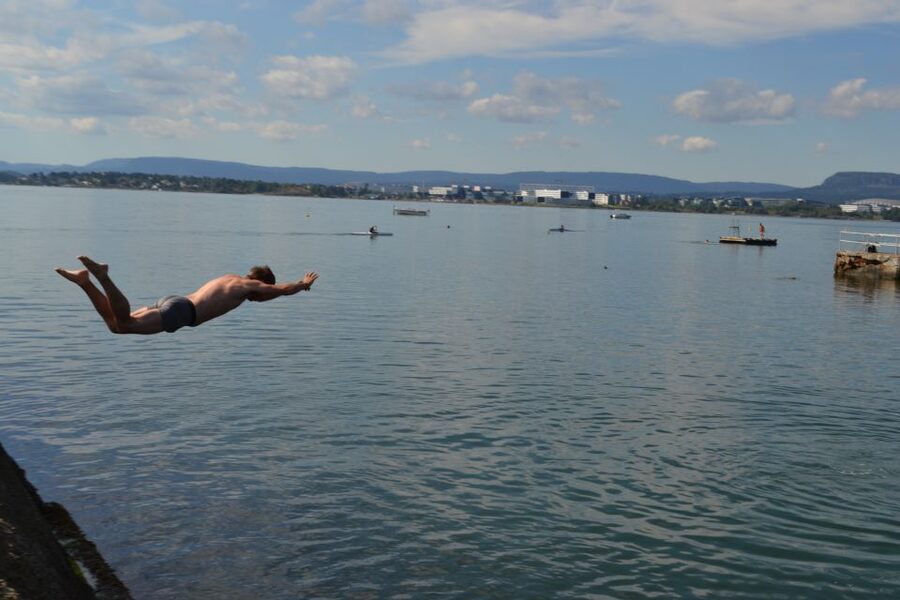
Next is Gressholmen, another island that balances nature space with human use. In summer this stop is about 1 hour, with a guided walk plus a photo stop and sightseeing along the way.
Here’s what makes it interesting: you’re not just looking at a quiet shoreline. You’re walking through remnants tied to what was Oslo’s first airport, plus other sites linked to the island’s military history. That kind of “this used to be important infrastructure” feeling can be surprisingly emotional, because it turns open space into a timeline.
Gressholmen is also described as having a nature reserve, so you get that island quiet without losing the history angle. Trails and viewpoints let you enjoy the fjord while your guide puts context on what you’re seeing.
One practical downside of this stop, compared with Hovedøya: you might not see the same kind of instantly recognizable monument. The payoff is more in how your guide stitches the story together as you walk past different buildings and sites. If you enjoy explanation and ask questions, this is a strong match.
Same corner of the country, a completely different day out:
- Oslo: 100% Electric Oslofjord Sightseeing Cruise
★ 4.4 · 2,041 reviews - Oslo: Fjord Evening Cruise with Shrimp Buffet
★ 4.5 · 1,956 reviews - Oslo: Guided Sightseeing Fjord Cruise on Premium Silent Boat
★ 4.7 · 1,826 reviews - Oslo: 3-Hour Highlights Bike Tour
★ 4.8 · 1,609 reviews
Lindøya cabin island: flower paths, lookout points, and picnic time

In summer, you finish with Lindøya for about 1.5 hours. This is the part that feels like a vacation postcard, but still grounded in real walking.
Lindøya is known for cabin island life, with traditional wooden homes and gardens full of flowers. During the walk, you wind along village paths, so you’re not only looking outward at the fjord. You’re moving through an island neighborhood vibe, with viewpoints that open to water and hills.
The itinerary builds toward a break, because you’ll work up an appetite. Weather and opening hours matter, so the guide may suggest a stop at a local kiosk if you need snacks or ice cream. The tour encourages a picnic, and this is where the season affects your plan.
- April to September: bring your own lunch for the picnic break
- October to March: the tour is shorter and the guide provides warm drinks
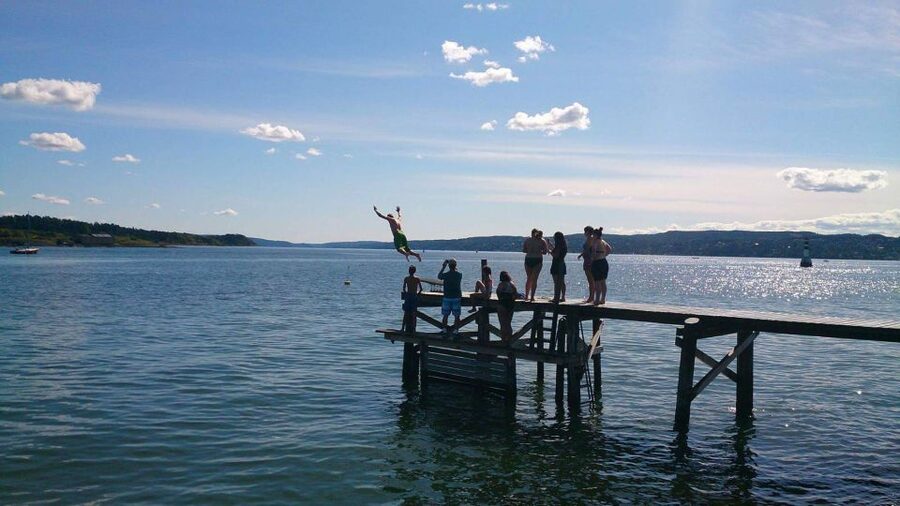
Even if you do not swim, it’s smart to carry a small pack. The tour encourages a backpack for swimwear, towel, water, and picnic supplies. That way you’re ready for a spontaneous beach moment if conditions allow.
The real work: shoes, distance, and how winter changes the walk
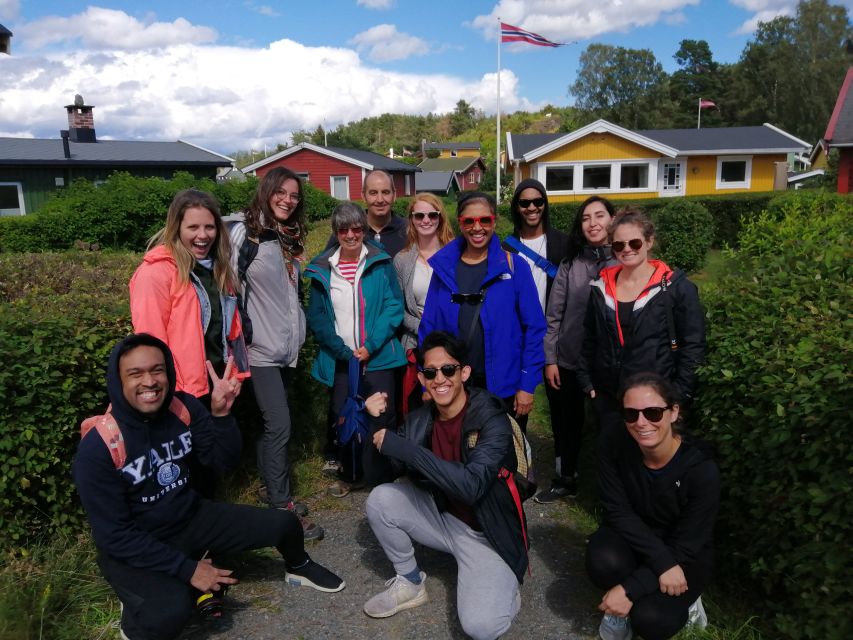
This is not a sit-and-watch tour. You’ll walk about 7 km (roughly 10,000 steps) across gravel, dirt paths, and stone. That matters because the islands can be uneven, and the ferry timing does not slow down for sore feet.
So what should you wear and bring?
Wear:
- good trail shoes with grip
- comfortable layers, especially in spring and fall when wind off the water can cut fast
Bring:
- a small backpack for water and picnic needs
- towel and swimwear if you want the option to cool off on warmer days
In winter, expect the ground to be slippery at times. One of the best examples from past groups is that guides have provided crampons when conditions demanded it. You should not count on it every day, but it tells you that safety and traction are taken seriously.
Also note: the tour is not suitable for wheelchair users, and children under 9 are not recommended. If you’re deciding for a family, this one may be tough unless everyone moves comfortably on uneven terrain.
Price value: what you get for $69 and why it can feel fair
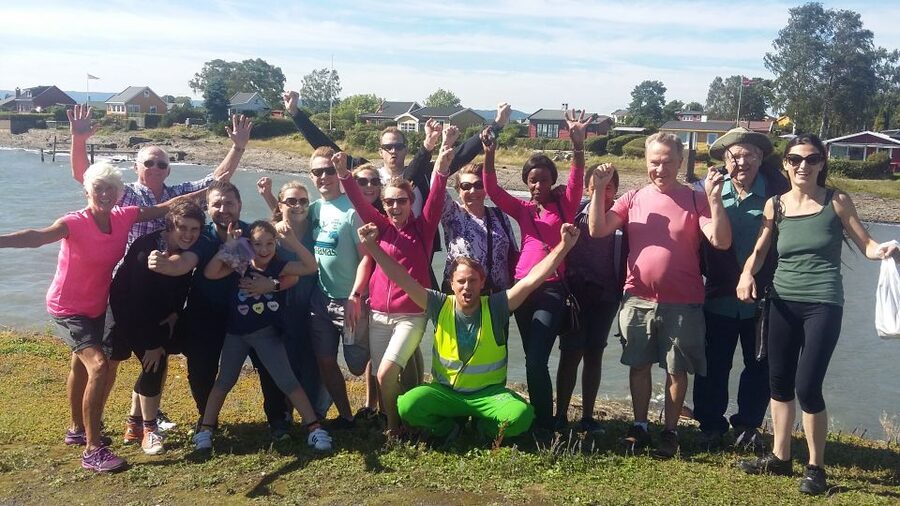
At $69 per person for about a half-day, this tour costs more than a DIY ferry day. But you’re paying for three practical things you cannot easily replicate yourself:
1) Guided history that turns views into meaning
Abbey ruins, wartime structures, and airport-era sites are much easier to understand with a live English-speaking guide than with guesswork.
2) Public ferry tickets built into the plan
You’re using ferries to connect islands. Paying once and following a route you don’t have to map is a real convenience.
3) Seasonal comfort support
In October to March, warm drinks are included. That alone can make a winter walk feel far more doable.
I’d call the value strong if you want more than scenic photos. If you love context, the tour helps you see how Oslo’s coastline shaped daily life, defense, travel, and faith over centuries.
For spring through early fall, you bring your own lunch for the picnic break, which is a small tradeoff. But it also gives you flexibility, since you can choose what you like to eat.
How long it takes, and how many islands you’ll actually see
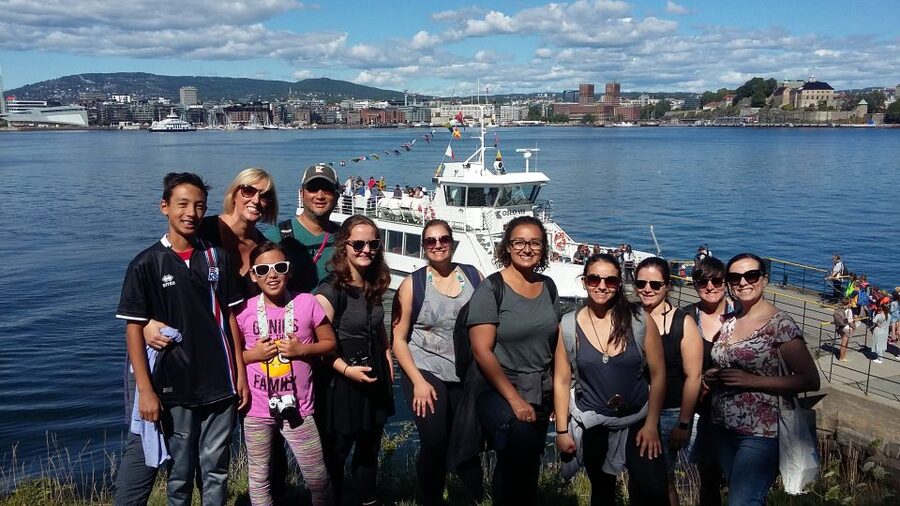
The duration and number of stops shift by season:
- April to August: about 4 to 4.5 hours, and you visit 3 islands
- September to March: about 3.5 hours, and you visit 2 islands
That seasonal structure is important because it changes how much walking time you’ll get overall, and it affects your day planning. If you’re visiting in winter and want maximum sightseeing without a long hike, the shorter version is easier to fit.
In either season, you should still plan for wind, wet ground, and walking breaks that keep moving you forward. The guide generally manages stops so you get photo time and walking time, not a long stretch of idle waiting.
Guides and what makes the tone of the tour work
The tour runs with a live English-speaking guide, and the overall quality shows up in how groups describe the experience. You’ll often hear about guides who are friendly, funny, and quick to answer questions. Names that have come up in past tour experiences include Patrick, Shaf, Giovanni, Josh, Laura, and Carolina.
What I find useful about that kind of guiding style is not just entertainment. It changes how you walk. When someone adds context, you start noticing details you might otherwise pass by, like why certain ruins sit where they do, or how coastal geography would matter in different historical periods.
If you like to ask questions, this is the kind of tour where that energy tends to be welcomed. Even on cold days, the guide usually keeps the group organized and helps everyone stay together.
Should you book Oslo Nature Walks Island Hopping Tour?
Book this tour if you want a half-day that feels like more than transportation. It’s a practical way to see multiple Oslo fjord islands with guided storytelling, real walking, and viewpoints that you earn step by step.
Skip it, or at least think hard, if any of these are dealbreakers for you:
- walking on gravel, dirt paths, and stone is not comfortable
- you want a mostly seated experience
- you’re traveling with a child under 9, or you need wheelchair access
If you can handle uneven ground, this is a smart fit for couples, friends, and solo travelers who want history plus nature in one plan. Also, if you’re visiting in winter, the included warm drinks help a lot, and you’ll still get the key island highlights in a shorter time window.
If plans might shift, it can be comforting that you can cancel up to 24 hours in advance for a full refund, and you can often reserve and pay later to keep things flexible.
Bottom line: for $69, you’re buying guided context, ferry connections, and island walking time that most people cannot stitch together as smoothly on their own. For many trips to Oslo, that makes it one of the better value ways to understand the city’s waterfront identity.
FAQ
How long is the island-hopping tour in different seasons?
From April to August, the tour runs about 4 to 4.5 hours. From September to March, it runs about 3.5 hours.
How many islands do you visit?
In April to August, the tour visits 3 islands. In September to March, it visits 2 islands.
Where do I meet for the tour?
Meet near the public ferry departure point at Platform E, next to the restaurant Fisketorget, at Rådhusbrygge 4. Arrive about 10 minutes early.
Is the guided tour and ferry transport included?
Yes. The price includes a guided tour and tickets for the public ferries.
Are warm drinks included?
Warm drinks are included during the colder months of October to March. Food or drinks are otherwise not included.
Do I need to bring lunch?
The tour encourages you to bring your own lunch for the picnic break in April to September. From October to March the tour is shorter and warm drinks are provided by the guide.
What should I wear or bring?
Wear comfortable shoes with good grip, and expect about 7 km of walking on gravel, dirt paths, and stones. It’s also encouraged to bring a backpack for water and picnic needs, and in case you want swim gear (towel and swimwear).
Recently added around Oslo
- 4 hours Best View of the Oslofjord Winter Edition★ 4.0 · 15 reviews
- Oslo Winter Highlights Bike Tour★ 5.0 · 36 reviews
- Winter Forest Walk and Campfire by Torchlight in Oslo★ 4.5 · 20 reviews
- Viking Planet Oslo Combination Ticket (Museum +VR Game)★ 4.0 · 13 reviews
- Unknown war. Oslo and Norway during 1940-45★ 5.0 · 74 reviews
- The Ultimate Norwegian Skiing Experience★ 5.0 · 16 reviews
- The Viking Planet Museum – Mini Group (4 adults)★ 4.0 · 16 reviews
- The Ultimate Study of the Human Form at Vigeland’s Sculpture Park with a Local★ 4.0 · 14 reviews
Oslo Tours, compared.
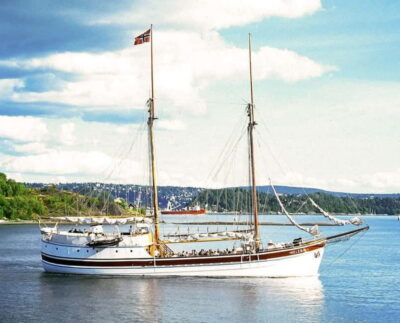
Oslo Fjord Sightseeing Cruise by Sailing Ship
Read our review →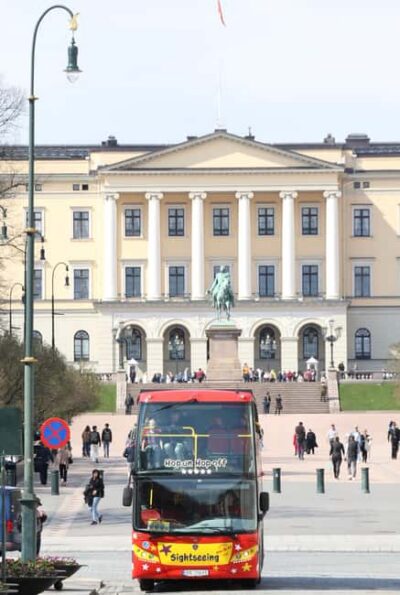
24 or 48-Hour Hop-On Hop-Off Sightseeing Bus GrayLine
Read our review →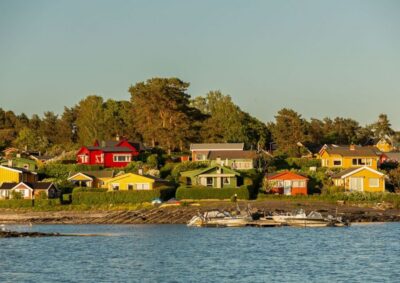

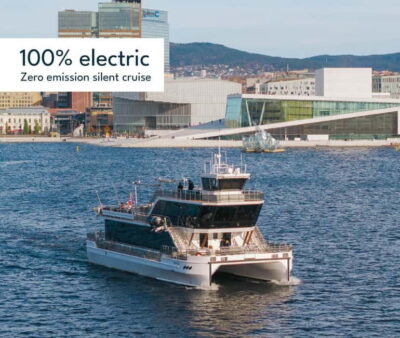
Guided Sightseeing Fjord Cruise on Premium Silent Boat
Read our review →

Browse the lists this tour appears in