
Review · CITY TOURS
City Sightseeing Oslo Hop-On Hop-Off Bus Tour
Oslo moves fast, and this bus helps you keep up. This Hop-On Hop-Off route strings together the big-name sights, from the Royal Palace area to the Bygdøy museums, with onboard audio as you go. I like how flexible it is, and I like that the stops cluster well around places you can actually spend time exploring. The biggest caution is the most common one in the fine print, the audio can be inconsistent, and rain can make the upper deck less pleasant.
You get a practical loop, usually about 90 minutes, plus the option to hop off and return within your 24 or 48-hour ticket window. I like that buses run about every 30 minutes, so you are not stuck waiting long to continue your day. A drawback to consider is that it is seasonal, typically June to October, and it does not run on 17 May.
In This Review
- Key points to know before you get on
- Oslo in 90 minutes, plus a second day of freedom
- Price and what you really get for $46.60
- Route logic: how to not lose time or the right bus
- Start at the National Theatre: Karl Johans Gate and Royal Palace zone
- Vigeland Sculpture Park: modern Oslo, big outdoor art
- Folkemuseet and cultural history: when you want more than scenery
- Bygdøy museums: Kon-Tiki, Fram, and maritime stories
- Cruise terminals, ferries, and the waterfront circuit
- Opera House and the MUNCH museum area: modern Oslo at street level
- Audio, Wi-Fi, and the tech details that can make or break it
- Weather and comfort on an open-top double-decker
- Who this Oslo hop-on hop-off bus tour suits best
- Should you book this Oslo hop-on hop-off bus tour?
Key points to know before you get on
- It is a short overview plus real time-saving: 90 minutes for a loop, then you choose what to revisit
- Audio is built in, with two options: in-seat modules or Bring Your Own Device, plus free headphones onboard
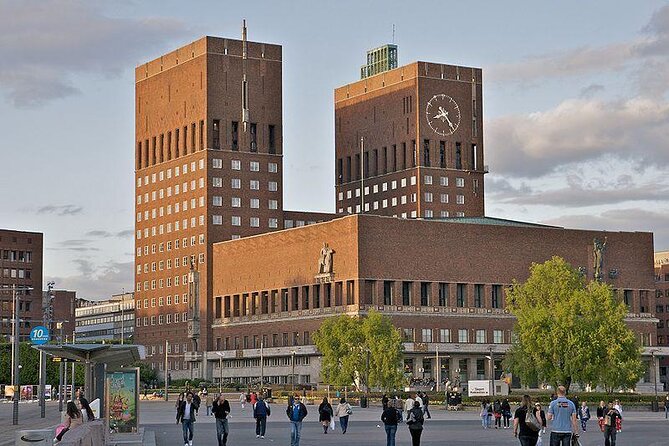
- Stops are designed around Oslo highlights: Royal Palace, Vigeland, Bygdøy museums, cruise terminals, and the Opera area
- Buses run every 30 minutes, but not every situation is smooth: skip timing, crowding, and audio issues can happen
- Season and hours matter: first departure at 10am, last departure at 4pm, usually June to October
Oslo in 90 minutes, plus a second day of freedom
This is not a deep, guided tour with long stops and a tight itinerary. It is an efficient way to get your bearings in Oslo and then turn that overview into your own plan.
The basic idea is simple. You board at a main stop area on Karl Johans Gate (the National Theatre area), then the bus loops through key neighborhoods. You can stay on for the full ride, or you can hop off, explore, and hop back on again at any official stop along the way.
The smart part is the timing. A loop takes about 90 minutes, and buses come by roughly every 30 minutes, so you can mix museum time with city wandering without turning your day into a logistics puzzle. And if you buy the 24 or 48-hour option, you can repeat the loop as your energy and weather allow.
More City Tours in Oslo
- Oslo: City Sightseeing Hop-On Hop-Off Bus Tour
★ 3.6 · 724 reviews - Oslo: Grand City Sightseeing Tour by Bus with Fjord Cruise
★ 4.6 · 647 reviews - Oslo Combo Tour: Grand City Tour and Oslo Fjord Cruise
★ 4.5 · 555 reviews
Price and what you really get for $46.60
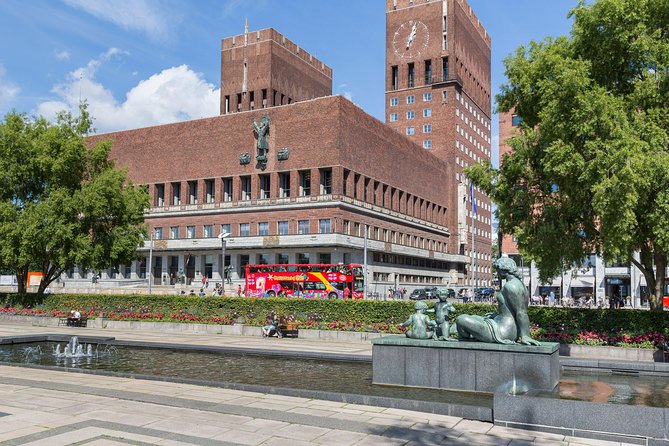
At about $46.60 per person, this is not the cheapest way to ride around Oslo. But it is not just a bus ticket either, you are paying for convenience plus included narration.
Here is the value stack:
- Hop-on, hop-off access for 24 or 48 hours
- Onboard audio commentary in 8 languages, with free headphones available
- Stops near major sights, including the big museum zone at Bygdøy
- Free Wi-Fi onboard
- No hotel pickup needed, you start at the National Theatre area and can also board at other major stops
Now the reality check. Entry fees are not included. Museums can cost extra once you hop off, so think of the bus as your transport and orientation tool, not a bundled museum pass.
Also, a few of the most frustrating complaints are about audio and timing. When audio is quiet, static-y, or drops out, you lose part of the payoff you paid for. When buses run behind, you waste minutes you cannot get back in a short stop in port.
If you are okay with that tradeoff, this can be good value. If you want a guaranteed narration experience every minute, it is worth planning backup ways to learn while you explore.
Route logic: how to not lose time or the right bus
The route has a clear flow, but the operational details are where your day can go smooth or sideways.
The bus runs in all weather, so dress for Oslo conditions. But the open-top, double-decker layout means rain strategy matters. If you are sensitive to damp weather, plan layers and consider bringing a small rain cover for your bag and electronics.
Before you board, you will need to exchange your voucher for your hop-on hop-off ticket with City Sightseeing staff or the bus driver. Keep your ticket with you at all times. And make sure you board the official branded City Sightseeing buses, not a look-alike in the same area.
One recurring theme from real-world experiences is confusion about which bus to get on. Some departures can look similar, and it can help to wait until you see the clearly marked official vehicle for your stop. If you are traveling during cruise-ship peak moments, also expect crowding and occasional stop or timing hiccups.
Frequency is every 30 minutes, so you generally have options. But if you are trying to catch a tight schedule, do not treat this like a train that will never vary. Build a buffer.
Start at the National Theatre: Karl Johans Gate and Royal Palace zone
The first stop is at the National Theatre on Karl Johans Gate, and this area is a great entry point. It is central, it is easy to locate, and it sets you up to walk Oslo’s main corridor either right away or later after you return from other stops.
From here, the route also frames some of Oslo’s most recognizable sights, including the The National Theatre, the Royal Palace, and Karl Johans Gate. If you are new to town, this is the part that helps you understand where Oslo’s center sits, and how the city funnels people between monuments, shopping streets, and waterfront access.
If you like taking photos from the bus window, this is a good place to be strategic. The bus gives you moving views, and then you can hop off on your return loop to linger where the light and crowds are better.
Just remember, the bus ride itself is short. If you want more time, hop off early in the day and return later.
Same corner of the country, a completely different day out:
- Oslo: Oslo Fjord Sightseeing Cruise by Sailing Ship
★ 4.5 · 5,790 reviews - Oslo: Scenic Fjord Cruise with Audio Guide Commentary
★ 4.5 · 5,375 reviews - Oslo Nature Walks: Island Hopping Tour
★ 4.8 · 2,713 reviews - Oslo: 24 or 48-Hour Hop-On Hop-Off Sightseeing Bus GrayLine
★ 4.0 · 2,088 reviews
Vigeland Sculpture Park: modern Oslo, big outdoor art
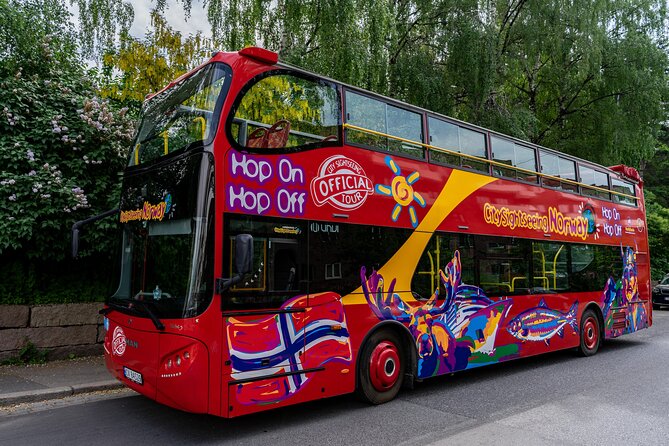
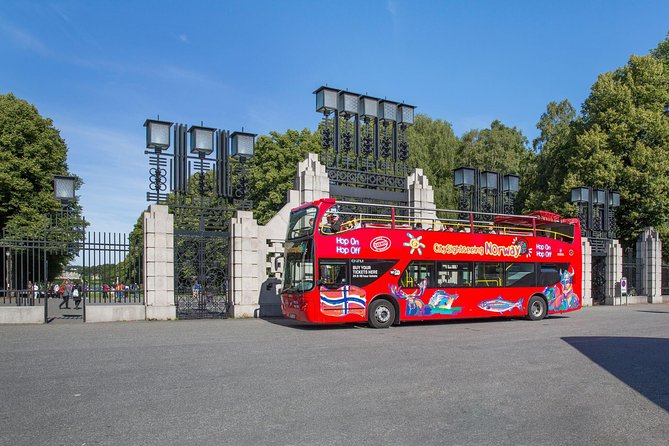
One of the strongest reasons to use this bus is how it connects you to Vigelandsparken, home to Vigeland Sculpture Park and the Oslo Museum area.
This is the kind of place that rewards walking slowly, not rushing from stop to stop. With the hop-on, hop-off setup, you can get off here, spend real time among the sculptures, and then come back when your legs need a break.
Practical tip: plan for weather. It is outdoors, and Oslo weather can change quickly. If it is raining, the bus cover helps while you travel, but once you are on foot you still need your own rain protection.
Also, if you notice the audio is not clear (or if your headphones feel loose), Vigeland might still be worth it. The sculptures speak in a visual language even when narration is imperfect.
Folkemuseet and cultural history: when you want more than scenery
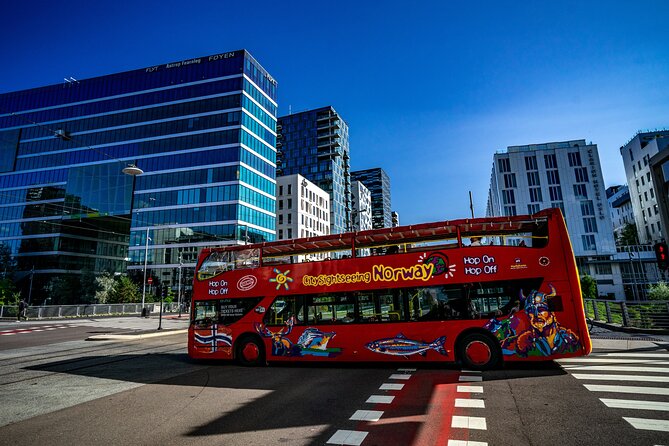
The route stops near Folkemuseet, the Norwegian Museum of Cultural History. This is a strong pairing with the rest of the itinerary because it adds context beyond Oslo’s waterfront and grand central streets.
If your travel style leans toward learning, this stop gives you a break from outdoors and bus window sightseeing. If your style is more about atmosphere, you can still use it as a “cool down” stop when the city is busy or when weather is rough.
One thing to keep in mind: the bus handles transport, not entry. Your ticket covers the ride and audio, but you will pay museum entry separately.
Bygdøy museums: Kon-Tiki, Fram, and maritime stories
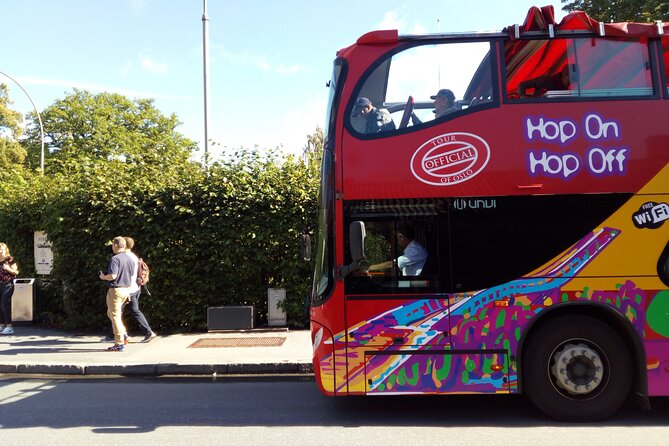
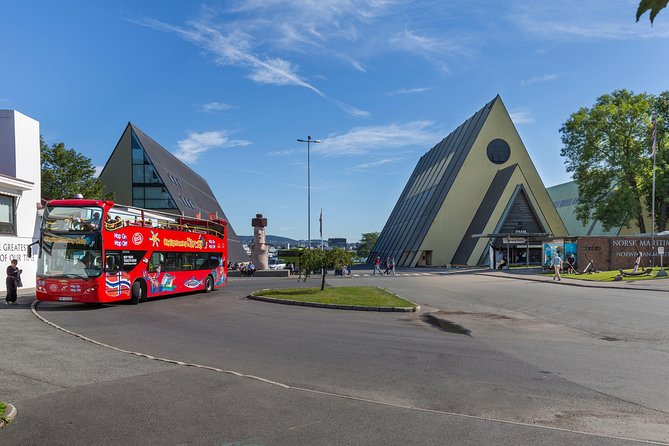
The route’s most satisfying concentration of famous museums is around Bygdøynes on the peninsula. Here you get stops that line up with major cultural and maritime attractions:
- Kon-Tiki Museum
- Fram Polar Ship Museum
- Norwegian Maritime Museum
This is where a hop-on, hop-off bus earns its keep. Oslo is not a one-neighborhood city. Bygdøy is a “get there, then spend time” area, and the bus reduces the friction of moving across town on your own schedule.
If you only have time for one museum, pick based on your interests:
- If you like exploration and polar history, Fram fits.
- If you love human survival stories and adventure myths, Kon-Tiki is the match.
- If you want a broader sea history theme, the Maritime Museum can be the best single choice.
A practical scheduling trick: keep the bus loop in your mind. Museums on Bygdøy can take longer than you expect. If you are worried about missing your next hop-on moment, set a goal like, hop off for a museum block, then plan your return time so you are back before you feel rushed.
Cruise terminals, ferries, and the waterfront circuit
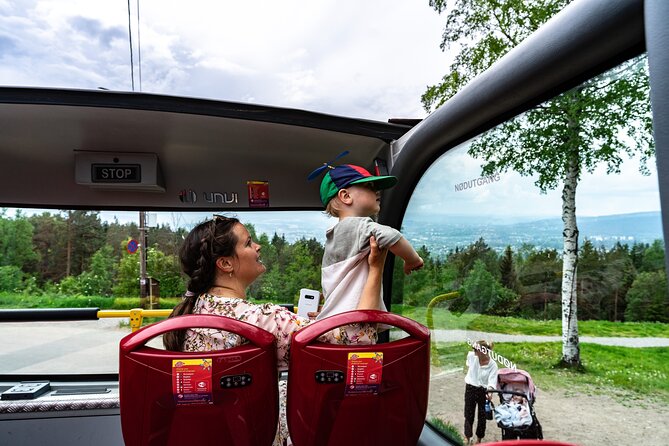
If you are arriving by cruise ship or you want ferry access, this route is unusually useful because it includes multiple waterfront and harbor-linked stops. Along the way you can reach areas such as:
- the Oslo Cruise Ship Terminal
- Akershus Fortress (as a stop point)
- the Color Line Terminal Hjortnes
- cruise terminals labeled for Royal Caribbean and MSC
- and ferry-related stops like the area connected to DFDS and Oslo ferry operations
This matters for two reasons. First, it keeps you close to major viewpoints of the fjord area without needing to plan transit on the fly. Second, it helps you connect to the “city edge” that many first-timers miss when they only explore the center.
The potential downside is crowds. When cruise ships dock, timing and capacity can get messy. Some experiences report buses being packed, occasionally skipping stops, or leaving earlier than the posted timetable shown at the stop. If you are on a cruise schedule, I recommend you treat the bus as helpful, not foolproof, and leave margin for delays.
Opera House and the MUNCH museum area: modern Oslo at street level
Near the end of the loop, the bus reaches the Opera House area and the MUNCH Museum zone, including a stop at Operagata 4.
This is a good final segment because it shifts from museums and monuments to a more contemporary feel. It is also a natural place to do a last walk before you head back to your hotel, or before dinner, or before you catch whatever comes next.
If you are traveling with a mix of interests, the Opera area is often the compromise: it is scenic, it is easy to understand from outside, and it connects well with nearby streets.
Audio, Wi-Fi, and the tech details that can make or break it
The audio guide is included, and that is a key selling point. You have two ways to use it:
- In-seat modules
- Bring Your Own Device (BYOD)
Free headphones are available onboard, and adapters can be provided. If you choose BYOD, you need to bring your own headset. That is not a minor detail. Poor audio setup is one of the main causes of dissatisfaction, including reports of low volume, static, or channels being unclear.
If you want to maximize your odds of a good audio experience, do this early:
- Sit down and test audio right after boarding.
- If the narration seems broken, try a different seat or a different audio mode.
- If possible, confirm the channel setup for your language preference right away.
Wi-Fi is listed as free onboard, but some experiences say it did not work reliably. Use it as a bonus, not as a plan. Bring offline maps or screenshots if you rely on navigation.
Also, keep expectations realistic. The route is built for sightseeing, not for movie-like production quality. When audio cuts out or gets delayed, it can feel like you are missing the context. In those moments, I would switch to a visual sightseeing approach, then do your museum reading after you get off the bus.
Weather and comfort on an open-top double-decker
This is Oslo, so you are likely to face at least one damp moment. The good news is buses run in all weather.
The not-so-good news is that rain gear can affect comfort upstairs. Some experiences complain about rain covers or upper-deck plastic barriers that do not stay secure in wet conditions. Others report it is simply harder to hear narration in the rain.
My practical advice:
- Bring a light rain layer for you and a separate cover for your bag.
- If you prefer the open-air views, go with a rain plan, not just hope.
- If you are sensitive to noise or clarity, test your audio after you board, even if it seems like everything is working.
And yes, the bus is generally comfortable enough for a 90-minute loop. The challenge is the operational side, like timing and audio consistency, plus wet-weather comfort upstairs.
Who this Oslo hop-on hop-off bus tour suits best
This tour is a great fit if you want a fast, flexible overview with a built-in narration layer. It also works especially well if you are short on time, including cruise stop travelers who need transport between central sights, museum areas, and waterfront viewing points.
It is less ideal if you are extremely sensitive to audio quality and you expect perfect narration continuity. Several experiences highlight audio problems, confusing language channel setups, and unclear announcements at stops. If that would frustrate you, bring a Plan B like reading a guidebook before you go, or use your phone for quick context while you walk.
It is also a smart option if you enjoy choosing your own pace. The 24 or 48-hour ticket means you can treat the first loop as your orientation, then spend more time where you actually want to linger.
Should you book this Oslo hop-on hop-off bus tour?
Book it if your goal is simple: see the main Oslo highlights in a short time, then revisit the places that pull you in. The combination of frequent buses, central departure at the National Theatre, and stops clustered around major museums (especially Bygdøy) is a solid setup.
Skip it or consider a backup plan if:
- You hate unreliable audio or you rely on the narration to understand what you are seeing.
- You have a tight schedule with almost no buffer, like a cruise day with a hard deadline.
- You are traveling in peak dock times and cannot afford the chance of delays or skipped stops.
If you do book, I would approach it like this: ride the first loop for orientation, test audio early, then hop off at 1 or 2 places you truly want. Oslo is at its best when you slow down after the bus does its job.
Recently added around Oslo
- 4 hours Best View of the Oslofjord Winter Edition★ 4.0 · 15 reviews
- Oslo Winter Highlights Bike Tour★ 5.0 · 36 reviews
- Winter Forest Walk and Campfire by Torchlight in Oslo★ 4.5 · 20 reviews
- Viking Planet Oslo Combination Ticket (Museum +VR Game)★ 4.0 · 13 reviews
- Unknown war. Oslo and Norway during 1940-45★ 5.0 · 74 reviews
- The Ultimate Norwegian Skiing Experience★ 5.0 · 16 reviews
- The Viking Planet Museum – Mini Group (4 adults)★ 4.0 · 16 reviews
- The Ultimate Study of the Human Form at Vigeland’s Sculpture Park with a Local★ 4.0 · 14 reviews
City Tours, compared.

Grand City Sightseeing Tour by Bus with Fjord Cruise
Read our review →
Oslo Combo Tour: Grand City Tour and Oslo Fjord Cruise
Read our review →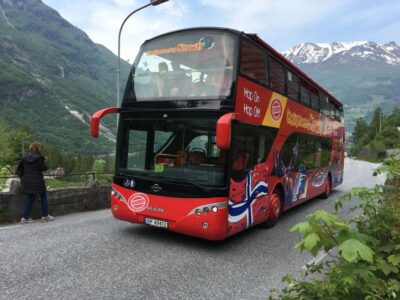

Browse the lists this tour appears in