
Review · HUSKY & DOG SLEDDING
Narvik: Dogsledding with Husky Isogaisa
Winter has a sound, and huskies start it. This Narvik dog sledding trip at Husky Isogaisa is built around hands-on time with the huskies and real practice on the sled, not just watching from the side, plus you finish warm with lunch in a heated Sami lavvu. I especially like that you get a proper English training session before you take off, and that there’s a guided break halfway through for rest and quick dog photos. One thing to think about first, though: if you want to drive your own sled, you need to be able to run in the snow for the driving role.
What makes this tour feel worth it is the rhythm. You meet the team, learn how the sled works, ride into the Arctic quiet, then come back to warmth and calm, including time to understand how the dogs are cared for when the day is over.
In This Review
- Key Things You’ll Remember from Husky Isogaisa in Narvik
- Meeting the Huskies First, Not Last
- The English Training and Your Partner Setup on the Sled
- Why the Distance Fact Feels Real in the Arctic Quiet
- Driving Through Snow, What It Really Feels Like
- Halfway Through: Rest, Switch Places, and Dog Photo Time
- The Heated Lavvu Lunch and Warm Drinks Reset Everything
- How Husky Isogaisa Talks About Dog Care and Sled Life
- Price and Value, and the One Logistics Detail That Can Surprise You
- What to Bring, What to Wear, and What Actually Matters
- Who This Tour Is Best For
- Should You Book Husky Isogaisa Dog Sledding in Narvik?
- FAQ
- How long is the Husky Isogaisa dog sledding tour?
- When does the tour run, and what time should I choose?
- Where do I meet for the tour?
- Is transportation from Narvik included in the price?
- Can I drive the dog sled myself?
- What is included for food and drinks?
- What should I bring and wear?
- Is it suitable for children, pregnancy, allergies, or pets?
Key Things You’ll Remember from Husky Isogaisa in Narvik
- Pre-ride English training so you know what to do before the dogs move
- Cuddling and preparing with the huskies before you take off
- A real dog team on your sled (4 to 6 dogs) with a partner system
- Halfway rest stop for photos and a chance to swap roles
- Lunch in a heated lavvu with coffee or tea to thaw you out
- Small groups capped at 7, so you are not lost in the crowd
Meeting the Huskies First, Not Last
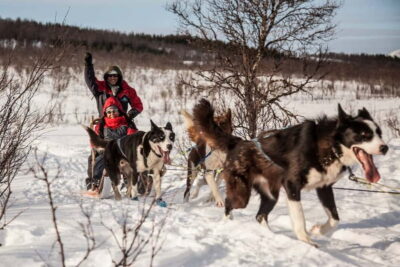
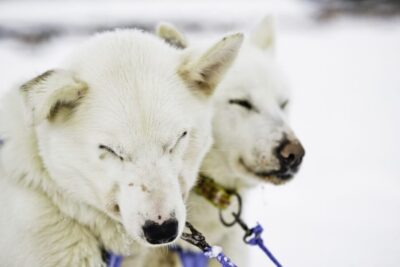
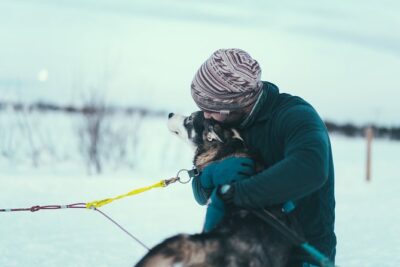
The best part of any dog sled tour is the moment you stop being a spectator. At Husky Isogaisa, you start by meeting the dogs and getting ready together. This is not a drive-by photo moment. You’ll be guided through the basics of preparing and handling the huskies, and you’ll have time for cuddling before you ever touch the sled runners.
That early contact matters because it sets expectations. Sled dogs are working animals, but they’re also dogs with personalities. Before you head into the snow, you learn to see the team as a group with roles, not just a bunch of animals harnessed up for entertainment.
You’ll also get safety and instruction in English and Norwegian. The guidance is clearly geared toward helping you drive correctly and keeping the whole experience safe for you and the dogs.
More Husky Sledding in Narvik:
- Tromsø: Self-Drive Husky Dog Sledding Adventure
★ 4.9 · 4,162 reviews - From Tromsø: Fun and Easy Dog Sledding Adventure
★ 4.9 · 2,004 reviews - Tromsø: Husky Sled Self-Drive with Traditional Lunch
★ 4.8 · 1,896 reviews
The English Training and Your Partner Setup on the Sled
Here’s what you can expect before you actually ride: you receive thorough training in English on how to drive a dog sled. The goal is simple. You should know how the team responds, how to handle the sled, and how to follow the guide’s cues once you are in motion.
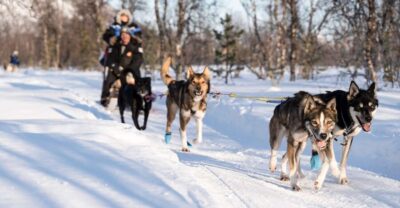
Then comes the practical setup. You and your partner will be assigned a sled with 4 to 6 dogs. One person drives, the other sits in the sled. This matters because it controls the energy level of the group. It also means you are not trying to figure things out while the dogs are already running.
The tour structure builds in a key point about mobility. If you are going to drive, you must be able to run in the snow. That doesn’t mean you need to be an athlete, but you do need to move confidently on slippery ground. If that is not you, you may still enjoy the ride, but check how the “driver role” works for your group.
Also, the tour is led by an experienced guide with their own dog team. In practice, that usually means fewer surprises and clearer instructions, because the guide is doing this day after day, season after season.
Why the Distance Fact Feels Real in the Arctic Quiet
You might hear a fun fact about sled dogs running long distances in just a few days, and the comparison is meant to make the scale click. The tour shares that sled dogs can run up to 500 kilometers within a few days. It’s like the distance from London to Paris, give or take.
That number doesn’t feel random once you’re actually outside in the Arctic cold. You understand that this isn’t a slow scenic stroll. It’s a job the dogs love, and it’s possible because they have trained habits, rest routines, and strong conditioning. The tour explains why they can run back again: after food and rest, they are ready to go because they truly enjoy running.
The ride itself is typically 30 to 60 minutes. That’s long enough to feel the pull and the rhythm of the team, but not so long that everyone feels exhausted. It’s a sweet spot for first-timers.
Driving Through Snow, What It Really Feels Like
When the dogs launch, you get that quick mix of excitement and focus. You’ll feel the sled moving, you’ll feel the team’s energy, and you’ll have to pay attention to the guide’s instructions. This is why the pre-ride training matters. It turns the experience from a thrill into something you can actually manage.
If you’re driving, remember the tour’s tone: it’s active. You’re not just holding on and hoping. You’re part of the movement, which is why the “run in snow” requirement exists. When you match your pace to the team and follow the cues, it turns into that rare travel moment where you feel competent fast.
If you’re riding as the passenger, you still feel the speed, but in a different way. The sled becomes a moving perch. You get time to look around, enjoy the stillness of the Arctic surroundings, and keep an eye on the dog team as they work.
A few more Narvik days worth weighing up
- From Narvik: Roundtrip Arctic Train Ride on Ofoten Railway
★ 4.4 · 407 reviews - From Narvik: The Northern Lights Arctic Train Guided Tour
★ 4.0 · 93 reviews - Narvik/Harstad:Day tour of Fjords with stop at Reindeer farm
★ 5.0 · 74 reviews
Halfway Through: Rest, Switch Places, and Dog Photo Time
About halfway through the tour, you stop for a short break. This is not just for comfort. It’s for the dogs too. The guide gives the team a chance to rest, and you get a moment to breathe and reset.
This is also when you get something practical. You can take pictures of the dogs, and you can switch places with your partner. For many people, this is where the experience becomes more balanced, because you get a second round of driving time or a chance to enjoy riding without thinking about running mechanics.
On cold days, the break also changes your awareness. The air feels sharp, your cheeks get a little stiffer, and then the pause reminds you to savor the fact that you’re doing this in real Arctic conditions, not a staged winter set.
The Heated Lavvu Lunch and Warm Drinks Reset Everything
After the sledding, the tour shifts from motion to comfort. You head into a cozy, heated lavvu (a Sami tent) where lunch and warm drinks are served.
This is a big deal for value because it’s part of what keeps the experience from becoming miserable. You’re out in winter gear, you’ve been moving, and you need real warmth and food, not just a quick snack.
Lunch is served with coffee or tea, and there are options if you need them. Vegetarian and gluten-free food are available on request, so you don’t have to gamble on whether you’ll find something suitable once you arrive.
One thing I like about this format is that it gives you time to slow down and talk with the guide. You can ask questions about what you just did, and you can learn how the dog teams are cared for beyond the ride.
How Husky Isogaisa Talks About Dog Care and Sled Life
The tour doesn’t stop at the moment the dogs pull away. After you finish, the guide goes over what it means to be involved in dog sledding and how they take care of the animals.
That section is important because it changes how you interpret the entire day. When dogs are treated well and routines are in place, the experience feels respectful. It’s also a practical way to understand what you saw: the rest pauses, the training, and the emphasis on safety.
In the same spirit, the tour also connects you to the broader Sami context. You’re in a lavvu, and you get explanations that help place sled dog life within Arctic culture, not just as a modern tourist activity.
Price and Value, and the One Logistics Detail That Can Surprise You
At about $262 per person, this tour sits in the mid-to-higher range for North Norway winter activities. The value comes from a few clear ingredients, not just the sled ride.
First, you get real instruction in English before you go. That’s a quality factor because it affects your control, your confidence, and your safety. Second, you get time with the huskies before and after, including preparation and cuddling. That’s a meaningful slice of the experience, not an add-on.
Third, the tour includes lunch in a heated tent with warm drinks. In cold weather, warmth and food aren’t optional luxuries. They keep the day enjoyable.
The cost you should watch is transport. The tour notes that the transfer is not included, and the meeting site is about 30 minutes north of Narvik. If you’re budgeting strictly, you might assume you’ll just pay a simple local fare. If you’re traveling with a partner or another couple, it can be cheaper to share a taxi ride.
That detail came up in real-life experiences too. People who split transport with others often reduced the extra cost enough that the total felt more reasonable.
What to Bring, What to Wear, and What Actually Matters
This is a winter activity, so your clothing is part of the gear checklist. The tour recommends bringing warm winter clothes, including a hat, gloves or mittens, and snow-appropriate layers. Warm shoes also matter, since you may be moving around on snow for training and for the driver role.
If you’re deciding between outfits, prioritize warmth and mobility. You want to move without losing sensation in your fingers and toes. Mittens are often warmer than thin gloves, and a hat helps prevent heat loss while you wait between steps.
Also, note what is not allowed: pets.
Who This Tour Is Best For
This is a great fit if you want an active, real-life winter experience. You like learning how things work instead of just taking a ride. You also want time with the dogs and warmth afterward.
It’s especially well matched for:
- First-timers who want clear training before moving fast in snow
- Couples who like a partner setup and a halfway role switch
- Travelers who care about how animals are handled, not just the thrill
It may be a tough match if:
- You cannot run in the snow and do not want the driving role
- You have a health situation that makes winter exertion or cold exposure difficult
- You need to avoid animal exposure due to allergies
The tour is not suitable for children under 4 years, pregnant women, and people with animal allergies.
Should You Book Husky Isogaisa Dog Sledding in Narvik?
Yes, if you want a guided dog sledding experience with real instruction, real interaction with the huskies, and a warm finish that keeps the day comfortable. The structure is designed for first-time success: training first, ride second, then warmth and explanations.
Book with extra confidence if you value small group time, since the tour is limited to a small number of people. That usually means more attention, clearer guidance, and less waiting around.
Consider your decision carefully if you cannot do the movement required for the driver role. Also plan your transportation from Narvik because it is not included, and sharing a taxi can make a noticeable difference.
If you’re flexible with winter timing, you’ll also benefit from the fact that the season runs from early December to late April depending on snow conditions. That’s Arctic reality, but it’s also your chance to catch the snow you came for.
FAQ
How long is the Husky Isogaisa dog sledding tour?
The total duration is about 210 minutes (about 2 to 3 hours). The actual dog sledding time is roughly 30 to 60 minutes.
When does the tour run, and what time should I choose?
It runs from 1st of December to 30th of April depending on snow conditions. Departure times are 09:30 and 14:30 on Tuesdays and Thursdays.
Where do I meet for the tour?
Meet at Husky Isogasia. It is about a 30-minute car ride from Narvik city centre.
Is transportation from Narvik included in the price?
No. The transfer is not included, and the meeting point is about a half hour’s drive north of Narvik.
Can I drive the dog sled myself?
You can drive if you are able to run in the snow. Your group is set up so one person drives and the other sits in the sled.
What is included for food and drinks?
Lunch is served in a heated lavvu, along with coffee or tea. Vegetarian and gluten-free options are available on request.
What should I bring and wear?
Bring warm winter clothing, hat, gloves (or mittens), snow-appropriate clothing, and warm winter shoes or boots.
Is it suitable for children, pregnancy, allergies, or pets?
It is not suitable for children under 4 years, pregnant women, or people with animal allergies. Pets are not allowed.
Recently added around Narvik
- Narvik: Narvik War Museum★ 4.8 · 21 reviews
- Narvik: Snowshoeing under the Arctic Lights★ 4.3 · 13 reviews
- Narvik: Dog-sledding with Northern Lights Ceremony★ 4.7 · 4 reviews
- Narvik/Harstad:Day tour of Fjords with stop at Reindeer farm★ 5.0 · 74 reviews
- From Narvik: The Northern Lights Arctic Train Guided Tour★ 4.0 · 93 reviews
- From Narvik: Roundtrip Arctic Train Ride on Ofoten Railway★ 4.4 · 407 reviews
Husky & Dog Sledding, compared.
Husky Sled Self-Drive with Traditional Lunch
Read our review →
Northern Lights Husky Visit with Traditional Dinner
Read our review →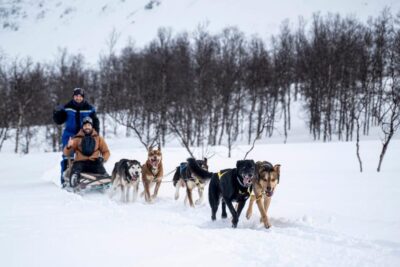
Husky Experience with Self-Drive Dog Sled Ride
Read our review →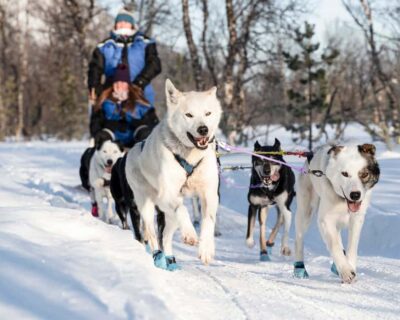
Tromso Husky Self-Drive Sledding with Cake and Drink in Lavvu
Read our review →Browse the lists this tour appears in