
Review · MUSEUM VISITS
Narvik: Narvik War Museum
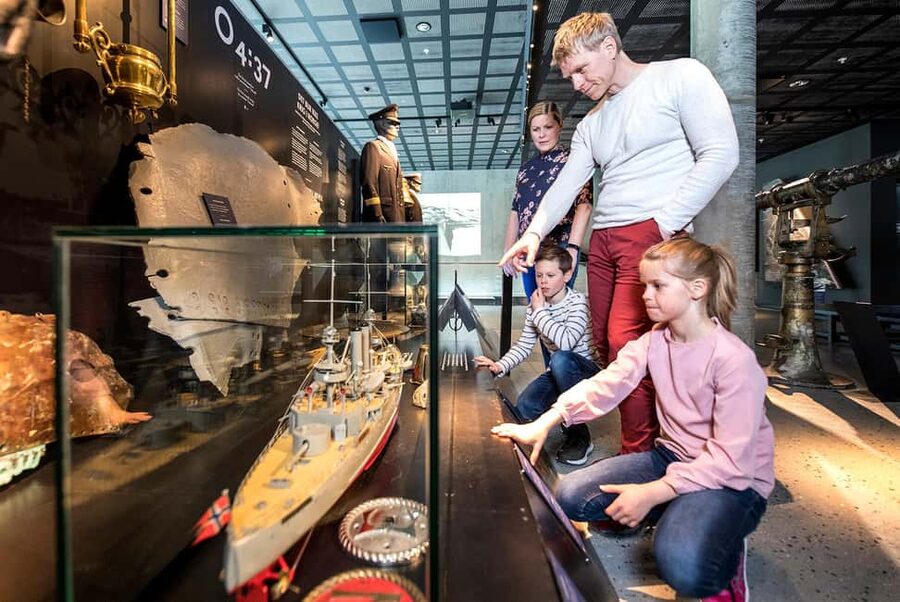
WWII has a different weight in northern Norway. Narvik War Museum tells the story of the Battle of Narvik with interactive exhibits and clear connections from the fighting in 1940 to what peace means now.
I especially like how the museum uses interactive digital surfaces to keep the story from feeling stuck in the past. The second thing I really appreciate is the high-quality models and collection artifacts, plus practical help with language through a QR code at the entrance (and English is available). One drawback to consider, it is a serious, reflective museum, so it is not the right pick if you want a light, distraction-style stop.
In This Review
- Key highlights you will feel fast
- Narvik War Museum: the Battle of Narvik, told close and human
- The 62-day story in April 1940: naval war meets mountain war
- Exhibits that do more than display: artifacts, digital surfaces, and readable text
- What the museum wants you to think about: war, peace, and human life
- Timing and cost: why $15 feels fair for what you get
- Who should go, and who should set expectations correctly
- Practical visit tips: translation help and comfortable pacing
- Should you book Narvik War Museum?
- FAQ
- Where is Narvik War Museum?
- How much does Narvik War Museum cost?
- How long should I plan for the visit?
- What are the opening hours?
- Is the museum wheelchair accessible?
- Are there language supports for visitors?
- Is the ticket valid only for a specific time slot?
Key highlights you will feel fast

- 62-day Battle of Narvik explained with a focused storyline from April 1940
- Interactive digital surfaces that link WWII to today
- Scale models and collection pieces that make the details easier to grasp
- QR code translation support and information available in English
- War, peace, and human life themes built into the exhibit design
- Plan about 1.5 to 2 hours for the full experience
Narvik War Museum: the Battle of Narvik, told close and human
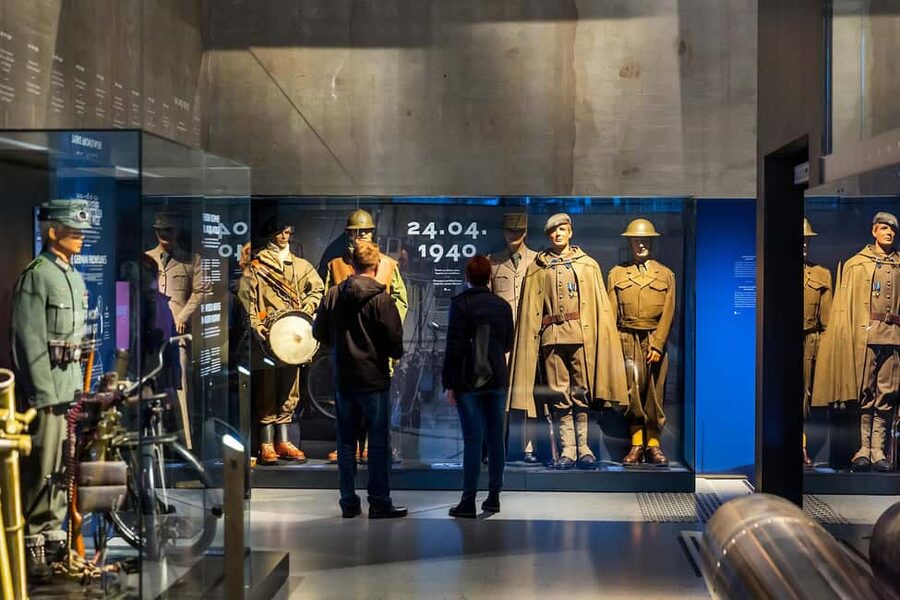
Narvik War Museum is based on one of Norway’s most dramatic WWII chapters, the Battle of Narvik in April 1940. The museum focuses on what happened here when naval battles and the mountain war unfolded for 62 days. That time span matters because it helps you understand this was not a quick firefight. It was a long grind, fought in harsh terrain, with huge consequences for real people.
I find the setting especially fitting. Narvik is a place where the war story does not feel abstract. Even before you read much, you know you are in the right region for the subject. Then the museum delivers the context you want, not just names and dates.
What really works for me is the way the exhibits aim at meaning, not just facts. Yes, you will learn how Nazi Germany attacked and occupied, but the museum also pushes you to think about what comes after, peace, human life, and how we should understand war to prevent more of it.
This is also good value for a short day stop. At $15 per person and roughly 1.5 to 2 hours recommended time, it is a museum visit you can fit without sacrificing your whole itinerary. It even helps that it runs daily, so you are not forced into one narrow schedule.
More Museums in Narvik:
- Kon-Tiki Museum Entrance Ticket
★ 4.5 · 1,096 reviews - Oslo: Paradox Museum Entry Ticket
★ 4.3 · 799 reviews - The Fram Museum Admission Ticket
★ 4.5 · 490 reviews
The 62-day story in April 1940: naval war meets mountain war
The core of your visit is the battle itself, told as a region-wide sequence of events. The museum explains how the fighting combined naval battles with a mountain war. That pairing is key, because it forces you to see why Narvik mattered and why the battle lasted so long.
In practice, this kind of storytelling helps you avoid a common WWII museum trap: memorizing facts without understanding the shape of the conflict. Instead, you get a framework you can hold in your head. The narrative gives you a sense of tempo and endurance across those 62 days, so when you see photographs, text panels, and objects, they land with more meaning.
You also get a sense of how the attack and occupation changed daily life in the region. The museum is not only about the combat. It draws lines from those wartime years into the years after, including the period of peace in 1945. That is one reason the museum feels more relevant than many battle-focused exhibits.
If you are the type who likes big-picture history but also wants specifics, this structure hits the sweet spot. The museum does not ask you to be an expert before you arrive. It gives you enough context to follow the story and then encourages reflection once you have it.
Exhibits that do more than display: artifacts, digital surfaces, and readable text
This museum does a smart job of balancing hands-on and informational. You will see artefacts, texts, pictures, and interactive digital surfaces. That mix matters. Pure text museums can become a slog. Pure video or screens can feel detached. Here, you get both, plus objects that ground what you are reading.
One of the most praised parts is the quality of the models and collection pieces. Scale models are especially helpful for a battle narrative, because they turn geography and tactics into something you can actually visualize. They also help when you are trying to connect naval conflict with mountainous terrain, which can be hard to imagine if you only picture one kind of battlefield.
I also like the exhibit design that uses digital surfaces to reinforce what you learn from the objects. If you want to revisit details, it is the kind of place where you can slow down at the panels that matter to you. If you only have an hour, you can still move through efficiently. The point is that the museum does not require you to commit to a full day to get value.
And about language: you have a practical option right at the entrance. A QR code lets you translate the information, which is a huge help if your main language is not the museum’s default. In addition, English information is available, and that makes the experience smoother for many visitors who want to focus on the message rather than hunting for translations.
What the museum wants you to think about: war, peace, and human life
The museum does not treat the Battle of Narvik as a museum-only topic. It draws lines forward into today. That is done through exhibit content that links Nazi Germany’s attack and occupation to our own time, with themes like us and the others, and the value of a human life.
This is where the museum can feel emotionally heavy, even though it is presented in an accessible way. I appreciate that it tries to give you a reason to care beyond historical curiosity. The experience nudges you toward questions like: How do societies treat human life during conflict? How do we build peace after war? And how do we resist the mindset that turns people into categories?
You do not have to leave with a political lecture to benefit from that. Even a simple reflection can change how you interpret what you see. When an exhibit keeps pointing back to human life, it makes details like dates and locations feel personal.
Also, because the museum welcomes visitors of all ages, the tone is structured to keep learning possible. For families, students, and anyone who wants a museum that encourages discussion instead of just silent looking, that matters.
A few more Narvik days worth weighing up
- From Narvik: Roundtrip Arctic Train Ride on Ofoten Railway
★ 4.4 · 407 reviews - From Narvik: The Northern Lights Arctic Train Guided Tour
★ 4.0 · 93 reviews - Narvik/Harstad:Day tour of Fjords with stop at Reindeer farm
★ 5.0 · 74 reviews
Timing and cost: why $15 feels fair for what you get
Narvik War Museum is priced at $15 per person. For the amount of content, that feels reasonable. You are not buying a quick room with a couple panels. You are getting a focused WWII battle narrative, plus interactive digital elements and high-quality models and artefacts, all designed to connect history to peace themes.
Recommended visit time is about 1.5 to 2 hours. That fits a practical travel rhythm. You can do it as a morning or afternoon anchor, then still have time for other Narvik sights.
Hours are daily. For 2025 to 2026, it is open every day from 10:00 to 16:00. From June 9 to August 24, 2025, it stays open longer, 10:00 to 18:00. If you are visiting in the summer months, plan to take advantage of the later closing time, especially if you want a slower, reflective pace.
I also like that the ticket is valid during opening hours. It is one less thing to stress about. You just need to match your schedule to the hours.
Finally, the museum has a strong overall rating, 4.8 out of 5 based on 21 reviews. That kind of scoring usually means the experience is consistent, and it fits what you would expect from a museum that invests in both objects and interpretive support.
Who should go, and who should set expectations correctly
This museum is a strong fit if you want WWII history that connects to the present. It is not only about how battles happened. It is about what those events mean for peace and for how humans treat other humans.
You will also probably enjoy it if you like museums that mix hands-on and interpretation. The interactive digital surfaces help explain the story in a more active way than pure panels.
It is also a good choice for many ages. The museum says it welcomes guests of all ages to learning and unique experiences, so it is not just for adults who already know the subject.
What might not suit you is your preferred tone. This is a war museum built around a major conflict and occupation, with themes about human life and reflection. If you want a carefree, entertainment-style stop, you may find it heavy. If you want something that makes you think and gives you context, it is a great match.
If you only have a short time in Narvik, it is still a smart move because the museum focuses tightly on one battle and its 62-day arc. You are not being pulled in ten different directions across many time periods.
Practical visit tips: translation help and comfortable pacing
Start with the entrance QR code translation option. If English is your main language, you may not need it as much, but it is still a safety net for details you might otherwise miss. The museum information is described as available in English, and the translation option gives extra confidence that you will understand the parts you care about most.
Plan for a slower pace if the peace-and-human-life themes matter to you. The recommended time of 1.5 to 2 hours is realistic if you read carefully and stop at the interactive digital elements and models.
If you have mobility needs, the museum is wheelchair accessible. The key practical detail is that you should contact the staff for access or loan of a wheelchair. That is the difference between a museum being theoretically accessible and it working smoothly for you on the day.
Also, because the museum is open daily, you can choose the time that fits your energy. If you are visiting in winter or outside peak summer hours, still plan as if you have a full 1.5 to 2 hours, then leave a little buffer for finding your way inside and settling.
Should you book Narvik War Museum?
Book it if you want a clear, focused WWII museum experience centered on the 62-day Battle of Narvik, with strong artifacts and helpful translation support. At $15 per person and about 1.5 to 2 hours recommended time, it is a practical value that fits into a day in northern Norway without turning your schedule into a scramble.
Skip it or adjust expectations if you are looking for a light, purely entertainment stop. This museum is built for reflection, war, peace, and the value of human life. If that tone fits you, you will likely leave with a better sense of what happened here in 1940 and why the museum connects those events to the world today.
FAQ
Where is Narvik War Museum?
It is in Nordland County, Norway.
How much does Narvik War Museum cost?
The price is $15 per person.
How long should I plan for the visit?
The recommended time is approximately 1.5 to 2 hours.
What are the opening hours?
Every day 10:00 to 16:00. From June 9 to August 24, 2025, it is open 10:00 to 18:00.
Is the museum wheelchair accessible?
Yes, it is wheelchair accessible. You should contact staff for access or a wheelchair loan.
Are there language supports for visitors?
Information is available in English, and there is also a QR code option at the entrance for translation.
Is the ticket valid only for a specific time slot?
Your ticket is valid in the museum opening hours. You can check availability for starting times.
Recently added around Narvik
- Narvik: Snowshoeing under the Arctic Lights★ 4.3 · 13 reviews
- Narvik: Dog-sledding with Northern Lights Ceremony★ 4.7 · 4 reviews
- From Narvik: The Northern Lights Arctic Train Guided Tour★ 4.0 · 93 reviews
- Narvik: Dogsledding with Husky Isogaisa★ 4.6 · 57 reviews
- Narvik/Harstad:Day tour of Fjords with stop at Reindeer farm★ 5.0 · 74 reviews
- From Narvik: Roundtrip Arctic Train Ride on Ofoten Railway★ 4.4 · 407 reviews
Museum Visits, compared.
Troll Museum Entry Ticket with AR Media Experience
Read our review →
Aksla-Alnes-Giske-Sunnmøre museum 100 % Highlights 4.5 H
Read our review →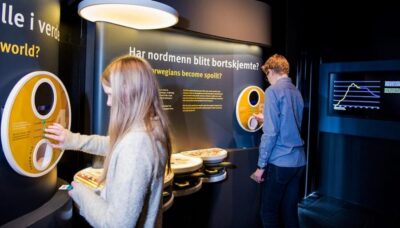
Browse the lists this tour appears in