
Review · WALKING TOURS
Best of Oslo: Walking Tour with a local guide
Oslo really clicks when you walk it. This half-day style stroll pairs big Oslo landmarks with a local authorised guide who can explain the city in human terms, not just postcard labels. You’ll cover the core highlights, then add Fjord-area viewpoints and quieter moments that make the whole day feel like a plan.
I especially like two things. First, the route gives you a practical overview of key sights such as Oslo City Hall, the Royal Palace, Akershus Castle and Fortress, and the Oslo Cathedral, so you get your bearings fast. Second, the guide shares insight on Norway’s style of life and food traditions, plus where you can try traditional Norwegian food and drinks afterward.
One consideration: it’s a 3 to 4 hour walking tour with no transport or food included, so you’ll want good shoes and a simple plan for meals and getting back when you’re done.
In This Review
- Key highlights at a glance
- Why this Oslo walking tour works so well
- The guide adds meaning, not just stops
- Meeting in central Oslo near the Nobel Prize area
- The walking route: Oslo’s main landmarks in one connected loop
- Oslo City Hall and the civic center feel
- Royal Palace and the National Theatre area
- Akershus Castle and Fortress, plus Oslo Cathedral
- Museums and culture stops: National Museum, Nobel Peace Centre, and Munch Museum
- The Nobel Peace Centre stop is more than a name
- Bjørvika, the Opera House, and Oslo Fjord views
- Aker Brygge and Bjørvika: why they matter on a first visit
- How the guide explains Norway: style of life and food traditions
- What you might take with you to your meal plans
- Price and value: $409 per group up to 10
- Pace, group size, and what to wear
- Who should book this Oslo highlights walk
- Should you book this Best of Oslo walking tour?
- FAQ
- How long is the walking tour?
- Where does the tour meet?
- What is included in the price?
- Is food or drinks included?
- What language is the tour guide?
- Is it wheelchair accessible?
- Is there an option for private or small groups?
- Is alcohol allowed during the tour?
Key highlights at a glance
- A full Oslo orientation on foot from City Hall and the Royal Palace to Akershus Castle and Oslo Cathedral
- Local authorised guiding in English, with clear explanations as you go
- Norway culture talk plus food guidance so you know what to look for when you eat out
- Fjord views near Aker Brygge and Bjørvika plus stops around Bjørvika and the main avenue
- Small or private group options for a more personal pace
- No food or drinks included, so you can choose your own timing and budget
Why this Oslo walking tour works so well
Oslo is not huge, but it can feel spread out. A walking tour is one of the smartest ways to connect the dots, because you see how neighborhoods link together, not just where individual monuments sit on a map. On this 3 to 4 hour route, your guide builds a story as you move, turning landmarks like the National Theatre, the National Museum, and the Royal Palace into a sequence that makes sense.
I like that this tour does two jobs. You get an overview of the main landmarks, plus context about everyday Norway. Many city tours stop at facts. Here, the guide also shares how people live, what food traditions matter, and what is special about Oslo.
More Walking Tours in Oslo
- Oslo: Guided Walking Tour of Central Oslo with Local Guide
★ 4.7 · 936 reviews - Oslo: Best of Oslo Walking Tour
★ 4.5 · 458 reviews - Oslo: Historic Myths & Legends Evening Walking Tour
★ 4.8 · 408 reviews
The guide adds meaning, not just stops
When a local guide walks with you, the sights stop feeling random. You’re not only ticking off the Opera House or the Munch Museum. You’re also learning the kinds of cultural cues that help you read the city as you keep exploring after the tour.
That matters if you only have a short trip. Even if you plan to come back later, this kind of orientation helps you decide what is worth your time when you do.
Meeting in central Oslo near the Nobel Prize area
The tour starts at your central Oslo hotel meeting point. The provided start guidance says you will meet at your hotel in central Oslo, and the meeting point is the Reception sign. In real life, that means you should aim to be ready a few minutes early and check that sign.
Starting in central Oslo is practical. You spend less time getting to the tour and more time walking during the window when you’re actually fresh and alert.
The walking route: Oslo’s main landmarks in one connected loop
Your guide takes you through a lineup of major landmarks that cover different sides of Oslo. The order matters because you build momentum. You begin with civic and royal Oslo, then shift toward the fortress area, museums, and the water.
Same corner of the country, a completely different day out:
- Oslo: Oslo Fjord Sightseeing Cruise by Sailing Ship
★ 4.5 · 5,790 reviews - Oslo: Scenic Fjord Cruise with Audio Guide Commentary
★ 4.5 · 5,375 reviews - Oslo Nature Walks: Island Hopping Tour
★ 4.8 · 2,713 reviews - Oslo: 24 or 48-Hour Hop-On Hop-Off Sightseeing Bus GrayLine
★ 4.0 · 2,088 reviews
Oslo City Hall and the civic center feel
You’ll see Oslo City Hall early on the walk. As a first anchor, it sets the tone. This is the kind of landmark that makes you understand how Norway’s capital organizes public life around clear, well-known centers.
Practical tip: look up as you pass, not just straight ahead. City Hall and the surrounding civic area tend to reward a slow pace and quick glances at facades.
Royal Palace and the National Theatre area
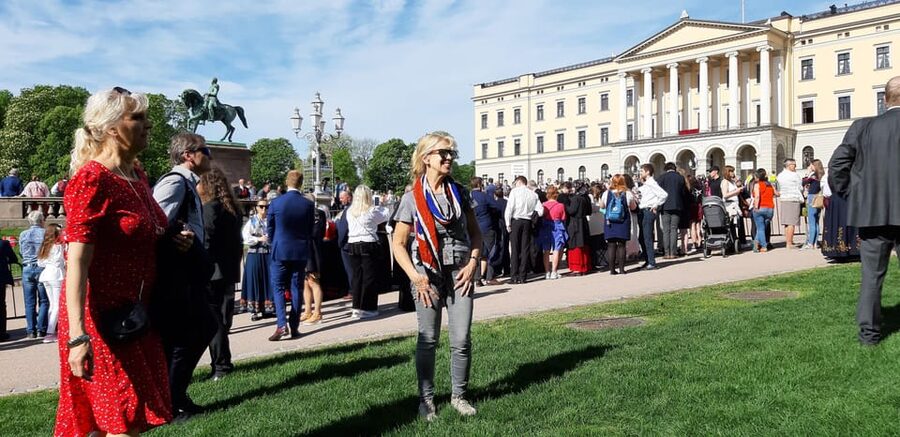
Next comes the Royal Palace and the National Theatre. Even without getting overly technical, these stops help you understand the blend of formality and culture in Oslo. It is a useful contrast after a civic landmark, and it gives your brain different reference points for later.
If you like photography, this is a good phase of the walk. You typically get wider sightlines and clean angles before the route tightens toward castles and courtyards.
Akershus Castle and Fortress, plus Oslo Cathedral
One of the strongest segments is the shift to Akershus Castle and Fortress. Fortress areas do something special on foot. They make the city’s layout feel more grounded because the terrain and walls create natural boundaries.
You’ll also pass by Oslo Cathedral. That pairing works well in a walking format because it gives you a sense of Oslo’s long-standing places of significance, not just buildings you saw from a distance.
Consideration: fortress and cathedral areas may involve uneven surfaces or steps depending on the exact paths taken. The tour is listed as wheelchair accessible, but if you use a mobility aid, it is still smart to confirm your comfort level with a short message to the provider before you go.
Museums and culture stops: National Museum, Nobel Peace Centre, and Munch Museum
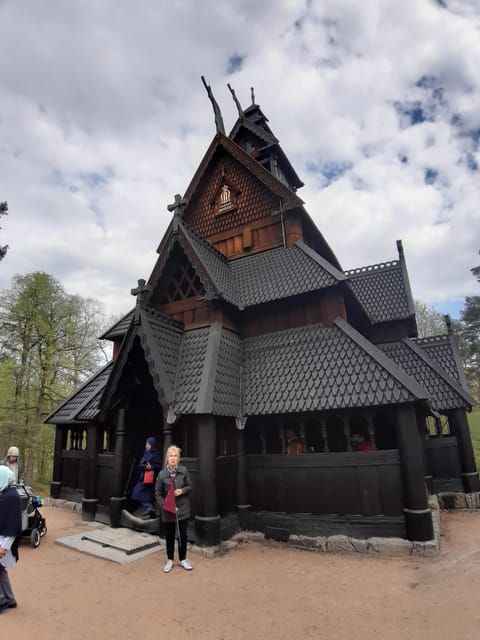
After the fortress and cathedral area, the walk moves into museums and culture. The stops you will cover include the National Museum, the Nobel Peace Centre, and the Munch Museum.
Even if you do not plan to go inside any museum, seeing these names in context helps. The National Museum is a big reference point for culture. The Nobel Peace Centre ties Oslo to global attention through the Nobel connection suggested by the name itself. The Munch Museum anchors you in the story of art and identity that Oslo is known for.
If you like to plan your next day, this part is useful. After the walk, you’ll know which of these stops are worth additional time for you.
The Nobel Peace Centre stop is more than a name
Because the Nobel connection is the point, this stop gives you a quick way to connect Oslo with the wider world. It also adds variety to the walking route, since you are not only moving through classic monuments.
Bjørvika, the Opera House, and Oslo Fjord views

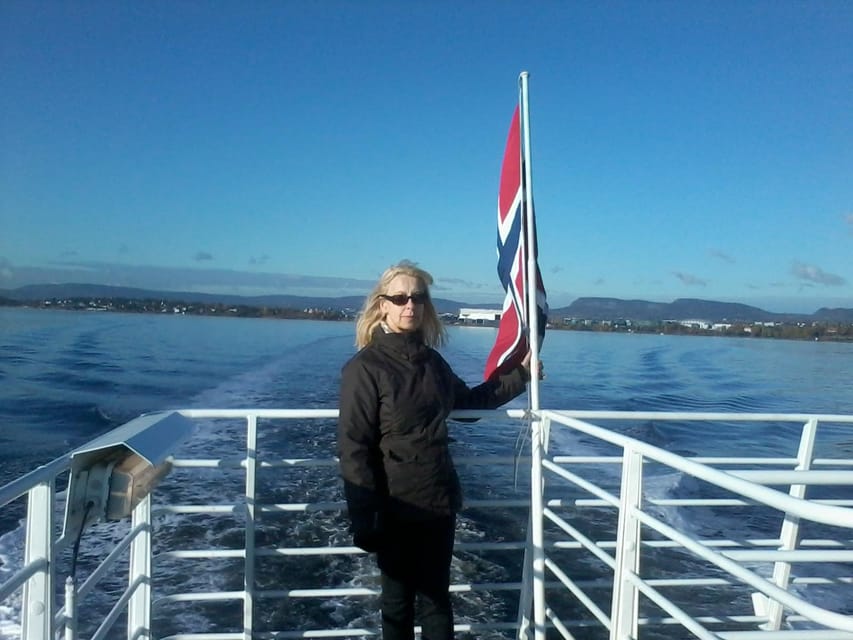
A huge part of why people fall for Oslo is the water. This tour includes stunning Oslo Fjord areas, specifically naming Aker Brygge and Bjørvika. It also includes the Opera House and the main avenue in Bjørvika.
This is the segment where the walk often becomes more scenic. Fjord viewpoints can reset your perspective, especially after the more structured feel of palaces, cathedrals, and museums. When you reach Aker Brygge and Bjørvika, you also get a sense of how Oslo uses its waterfront in daily life.
Practical tip: bring something for changing light. In Norway, weather can shift fast, and a fjord walk means you can feel wind.
Aker Brygge and Bjørvika: why they matter on a first visit
These areas are great orientation stops because they show Oslo’s modern rhythm. Aker Brygge gives you a recognizable waterfront atmosphere, while Bjørvika and the main avenue help you understand how the city flows toward the water.
If you want to keep exploring after the tour, this is the zone to remember. Even a short return later can feel productive because you already know where you are.
How the guide explains Norway: style of life and food traditions
This tour includes something that is hard to measure but easy to feel: the guide’s explanations about Norway and how people live. You’ll also get guidance on food traditions and where you can try traditional Norwegian food and drinks.
That is valuable because food is often the quickest way to understand a place. When you learn what locals think is normal, you stop guessing. You also avoid the tourist traps that sell food with no story.
What you might take with you to your meal plans
You will not get food included, but you will likely come away with a short list of places and ideas. Use that list as a filter:
- If a dish is tied to tradition, you know what to order without hesitation.
- If a drink is part of local habits, you know what to ask for.
- If the guide explained why something matters, you can choose with confidence.
If you enjoy eating your way through a city, this cultural food guidance can end up being one of the best parts of the tour.
Price and value: $409 per group up to 10
The price is listed as $409 per group up to 10, for 3 to 4 hours. That pricing structure is actually where the value shines.
If you travel with family, friends, or a small group, paying per group can cost less than individual city tours once you total everything up. You also avoid the common frustration of booking a guided experience where you cannot ask follow-up questions because the group is too big.
If you are solo, it can still be worth it if you want a more personal, flexible pace and you like asking practical questions about food and neighborhoods. The key is to compare it to what you would spend on multiple tickets for self-guided entries plus lost time figuring out directions.
Bottom line: this is best seen as paying for clarity. You are buying a guided walk plus local context, not just a route.
Pace, group size, and what to wear
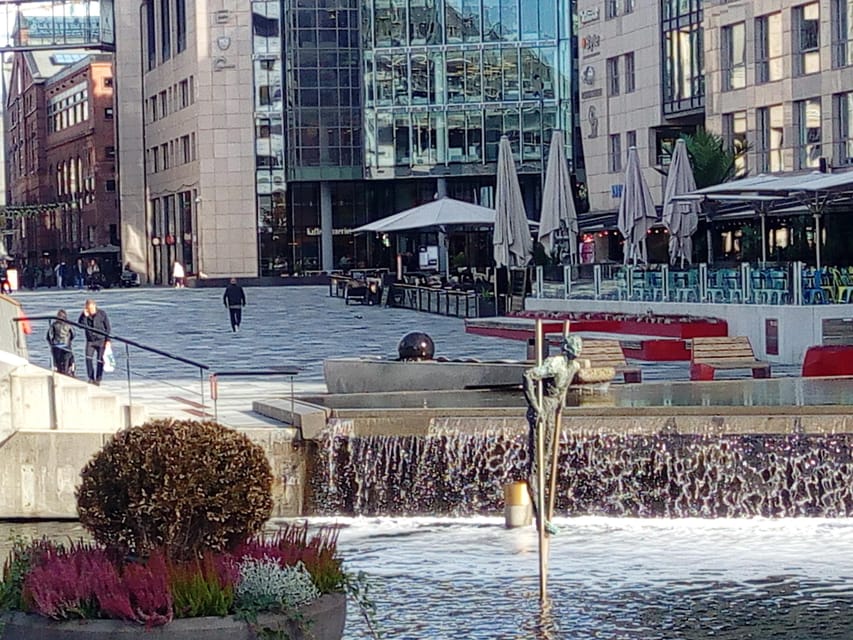
The tour is a 3 to 4 hour walking experience. That alone tells you a lot about how to prepare. Wear comfortable shoes, plan for weather, and bring a light layer. Since transport and food are not included, treat this like a true walking block, not a sightseeing bus loop.
The listing also notes private or small groups are available. That matters because a smaller group makes it easier to pause for questions and adapt to what you are most curious about, like the fortress area versus museum-focused parts.
House rules are simple: alcohol and drugs are not allowed. It keeps the tone appropriate for a city walk and helps everyone stay comfortable.
Who should book this Oslo highlights walk
This tour fits best if you:
- want a first-visit orientation to Oslo’s key sights, from City Hall to Akershus Castle and the Fjord areas
- care about learning the human side of Norway, especially style of life and food traditions
- prefer walking with a local authorised guide rather than piecing together a route on your own
- are traveling with a small group and want a per-group price structure
It might not be the best choice if you want a strictly museum-only day or you dislike walking for several hours.
Should you book this Best of Oslo walking tour?
I’d book it if you want to get oriented quickly and you enjoy practical cultural context, not just landmark spotting. The strongest reasons are the local authorised guide, the coverage of both classic landmarks and the Oslo Fjord areas like Aker Brygge and Bjørvika, and the added focus on Norway’s style of life and food traditions.
If you have limited time and you want your days to feel planned instead of improvised, this tour can do that for you. Go in with comfy shoes, and use the food guidance to turn the walk into real-life eating plans.
FAQ
How long is the walking tour?
It lasts 3 to 4 hours.
Where does the tour meet?
The meeting point is the Reception (sign).
What is included in the price?
Guiding of Oslo by a local authorised guide is included.
Is food or drinks included?
No. Food and drinks are not included.
What language is the tour guide?
The live tour guide is in English.
Is it wheelchair accessible?
Yes, the tour is listed as wheelchair accessible.
Is there an option for private or small groups?
Yes. Private or small groups are available.
Is alcohol allowed during the tour?
No. Alcohol and drugs are not allowed.
Recently added around Oslo
- 4 hours Best View of the Oslofjord Winter Edition★ 4.0 · 15 reviews
- Oslo Winter Highlights Bike Tour★ 5.0 · 36 reviews
- Winter Forest Walk and Campfire by Torchlight in Oslo★ 4.5 · 20 reviews
- Viking Planet Oslo Combination Ticket (Museum +VR Game)★ 4.0 · 13 reviews
- Unknown war. Oslo and Norway during 1940-45★ 5.0 · 74 reviews
- The Ultimate Norwegian Skiing Experience★ 5.0 · 16 reviews
- The Viking Planet Museum – Mini Group (4 adults)★ 4.0 · 16 reviews
- The Ultimate Study of the Human Form at Vigeland’s Sculpture Park with a Local★ 4.0 · 14 reviews
Walking Tours, compared.
Past & Present Small Group Guided Walking Tour
Read our review →
Walking Tour in Bergen of the Past and Present
Read our review →
Guided Walking Tour of Central Oslo with Local Guide
Read our review →

Browse the lists this tour appears in