
Review · WALKING TOURS
Oslo: Best of Oslo Walking Tour
Oslo hits different when someone connects the dots for you. This 2-hour walking tour pairs live storytelling through Sentrum with an included app so you can keep going after you leave the group.
What I like most is the way you get an instant sense of the city, plus the chance to learn the why behind major landmarks like the Nobel Peace Award and the Opera House. One possible drawback: the walk is mostly on city sidewalks, so winter conditions can be rough, and a reported wheelchair participant cut the tour short due to snow.
In This Review
- Key Takeaways Before You Go
- Why This Oslo Walking Tour Works in Just 2 Hours
- Price and Value: Is $38 a Good Deal?
- Meeting Points: Nobel Peace Center or University Aula
- Sentrum First: Getting Oriented on Karl Johan and Parliament
- The Grand Hotel and Oslo’s Main Streets: What to Look For
- GlasMagasinet Stortorvet and the Cathedral Area
- Opera House to Kvadraturen: Modern Oslo With a Symbolic Spine
- Christiania Torv: The Old City Center and Oslo’s Name Changes
- Akershus Fortress and the Waterline: History Meets the Harbor
- City Hall, University Area, and the Tiger Symbols
- Aker Brygge and Tjuvholmen: Oslo’s Alternative Quarter Energy
- The Included App: How You Keep Exploring After the Two Hours
- Who This Tour Fits Best
- Practical Notes for a Smooth Walk
- Should You Book Best of Oslo Walking Tour?
- FAQ
- How long is the Best of Oslo Walking Tour?
- Where do I meet for the tour in English or German?
- Where does the tour end?
- What languages are available for the live guide?
- What is included in the price?
- Are entry tickets to attractions included?
- Does the tour include public transportation?
- Is there an audio app I can use after the tour?
- Can I cancel for a refund?
Key Takeaways Before You Go
- Nobel Peace Award context tied to Oslo, including why it sits outside Sweden
- Tiger City stories plus civic symbols like the Tiger sculpture and City Hall area
- Christiania and name changes that explain how Oslo’s city center evolved over centuries
- Aker Brygge and Tjuvholmen focus for a modern, hangout-friendly side of Oslo
- Included sightseeing app with a QR code for a follow-along audio route by main quarters
Why This Oslo Walking Tour Works in Just 2 Hours
Two hours is long enough to get your bearings, but short enough that you still have energy for museums and food afterward. You cover the central spine of Oslo, then branch into older parts of the city and out toward the water. That mix is the main value: it turns first-day wandering into first-day understanding.
I also like that it is not only monuments. The guide weaves in how the city functions, what locals care about, and what to notice as you walk. If you have ever stood in front of a landmark and thought, okay, but what does it mean, this tour is made for that.
More Walking Tours in Oslo
- Oslo: Guided Walking Tour of Central Oslo with Local Guide
★ 4.7 · 936 reviews - Oslo: Historic Myths & Legends Evening Walking Tour
★ 4.8 · 408 reviews - Taste of Oslo Walking Tour
★ 4.5 · 282 reviews
Price and Value: Is $38 a Good Deal?
At $38 per person for a 2-hour guided walk, the value hinges on two things you actually get here: a live guide and a route you can extend on your own. Entry tickets to attractions are not included, so you should treat the tour like the map and the backstory, not a full museum day.
In practice, it helps you plan your next moves. Many guides on this format are praised for offering concrete suggestions for what to do later, not just facts about buildings. Names that came up in feedback included Oliver, Anastasia, Minji, Amelia, and Judith, often for clear pacing and story driven explanations.
Meeting Points: Nobel Peace Center or University Aula
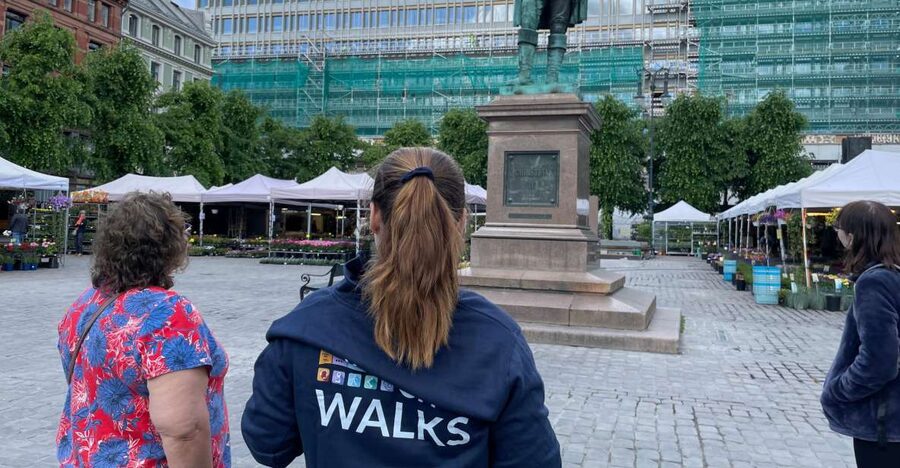
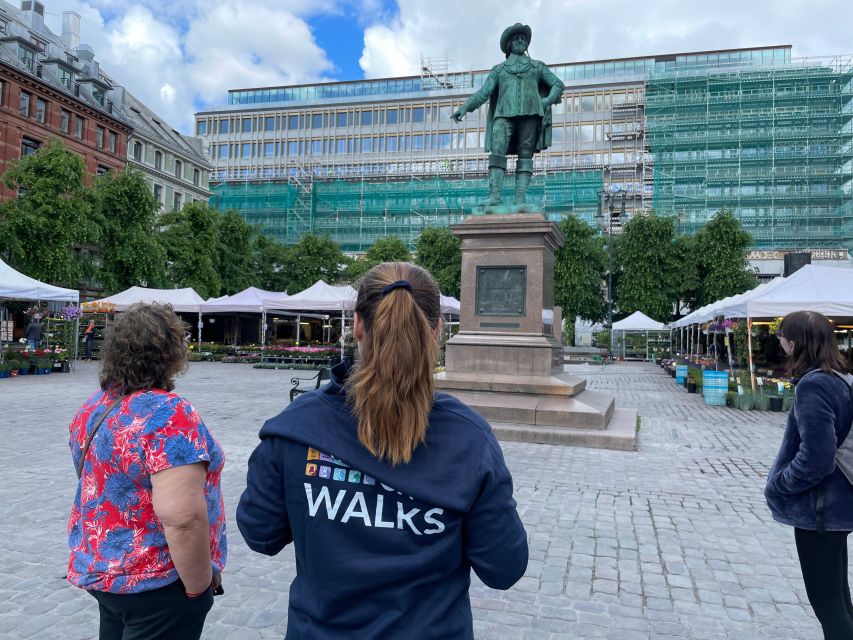
You can start in one of two places, depending on which option you book. For the German tour, the meeting point is the Nobel Peace Center area at Brynjulf Bulls plass 1. For the English tour, meet near the statue of P.A. Munch by the Faculty of Law building entrance, at University Aula, Karl Johan Str. 47.
This matters more than it sounds. Start locations shape your first 20 minutes, and that first stretch sets the tone. If you are arriving from elsewhere, I recommend checking your starting point closely, then arriving about 5 minutes early so you do not miss the departure.
Sentrum First: Getting Oriented on Karl Johan and Parliament

The walk begins in the city center and moves through the core areas you will likely revisit later. You pass key civic and cultural spots, including Paleet, the Norwegian Parliament, and the Grand Hotel Oslo. Even if you only skim landmarks on day one, you will want to remember their position relative to Karl Johan Street and the waterfront.
A highlight for many people is the explanation behind Oslo’s nickname, Tiger City. It is one of those city slogans that sounds like a fun fact until someone tells you what it points to historically. You also learn about the Nobel Peace Award connection, including the detail that the Nobel Peace Award is tied to Oslo and is the one outside Sweden.
Same corner of the country, a completely different day out:
- Oslo: Oslo Fjord Sightseeing Cruise by Sailing Ship
★ 4.5 · 5,790 reviews - Oslo: Scenic Fjord Cruise with Audio Guide Commentary
★ 4.5 · 5,375 reviews - Oslo Nature Walks: Island Hopping Tour
★ 4.8 · 2,713 reviews - Oslo: 24 or 48-Hour Hop-On Hop-Off Sightseeing Bus GrayLine
★ 4.0 · 2,088 reviews
The Grand Hotel and Oslo’s Main Streets: What to Look For
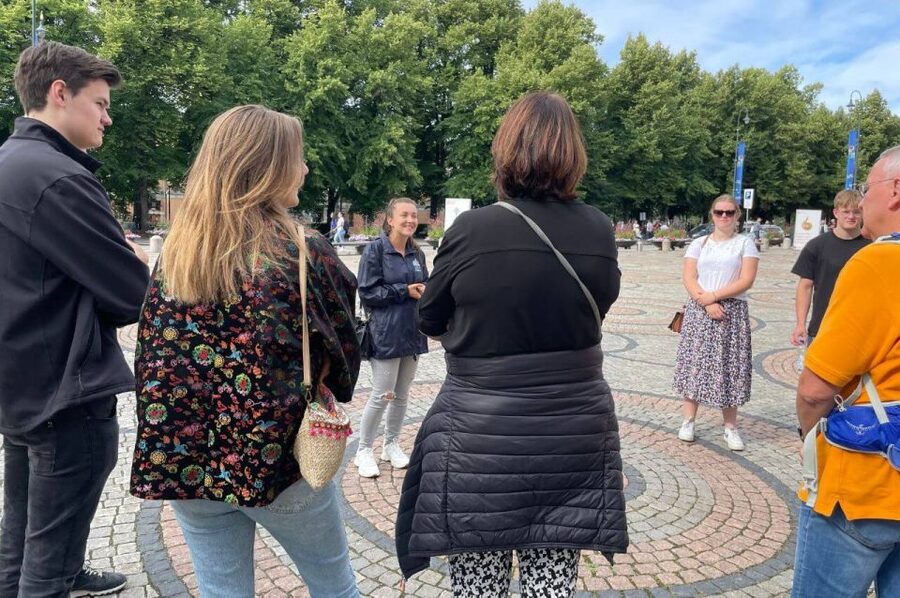
After Parliament, the route heads through the kinds of streets where Oslo’s official side and everyday life overlap. The Grand Hotel Oslo area is a good example of that contrast. You are not just seeing a building, you are learning the city’s geography, how pedestrians move, and where the big public spaces sit.
You then move through streets that lead you toward Oslo’s classic shopping and meeting areas, including Oslo Bazaars. The key value here is that you see the rhythm of the city, not just individual stops.
GlasMagasinet Stortorvet and the Cathedral Area
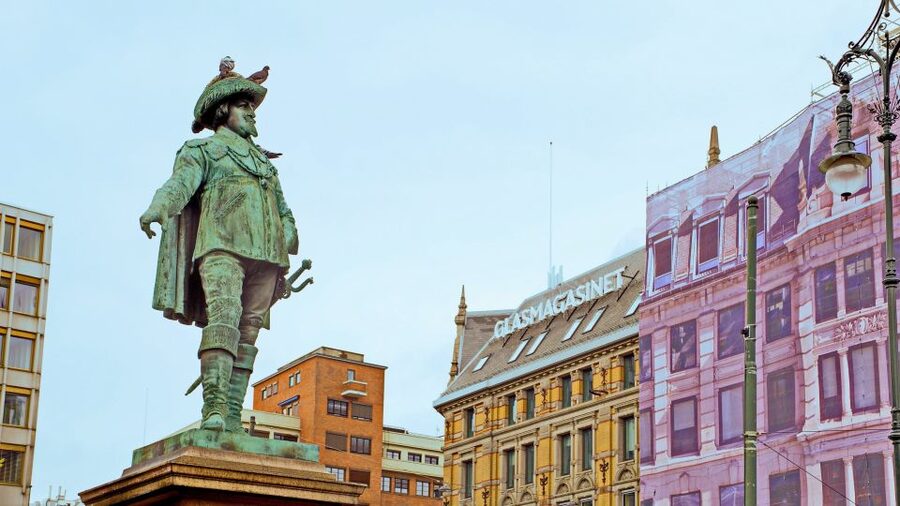
You will get a stop at GlasMagasinet Stortorvet, then continue toward Oslo Cathedral. This sequence helps you understand Oslo as both old and modern, with the same center carrying multiple eras. If you like architecture, these stops also teach you what to notice: scale, materials, and how buildings frame public squares.
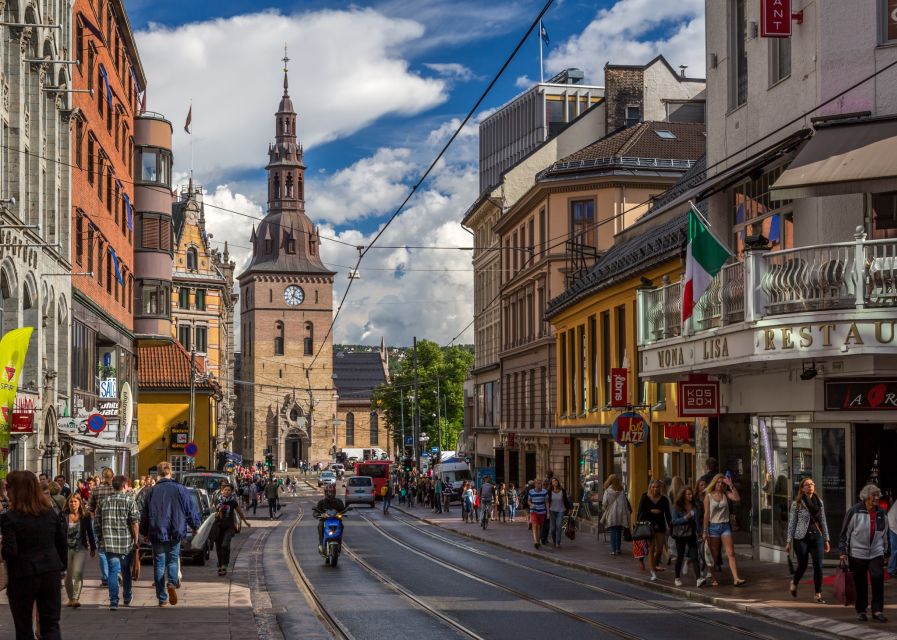
Oslo Cathedral is one of the anchor points for that older layer. The tour uses it as more than a photo stop. You get the stories that connect the religious site to the broader city identity, which is especially useful if you do not know much about Norway yet.
Opera House to Kvadraturen: Modern Oslo With a Symbolic Spine
One of the signature moments on the walk is the Norwegian Opera House. The description you get on the tour treats it like a statement object in the harbor area, almost like a pearl in the ocean, and the guide explains why that symbolism matters. I like this part because it makes you start thinking about Oslo’s waterfront as a social space, not just scenery.
You then move through Kvadraturen, the city area that helps explain how Oslo’s urban plan developed. Many people love this segment because it ties together street life with the larger historical story. It is also a good time to ask your guide questions, since you are still in the flow of the tour and they can steer you toward smart next stops.
Christiania Torv: The Old City Center and Oslo’s Name Changes
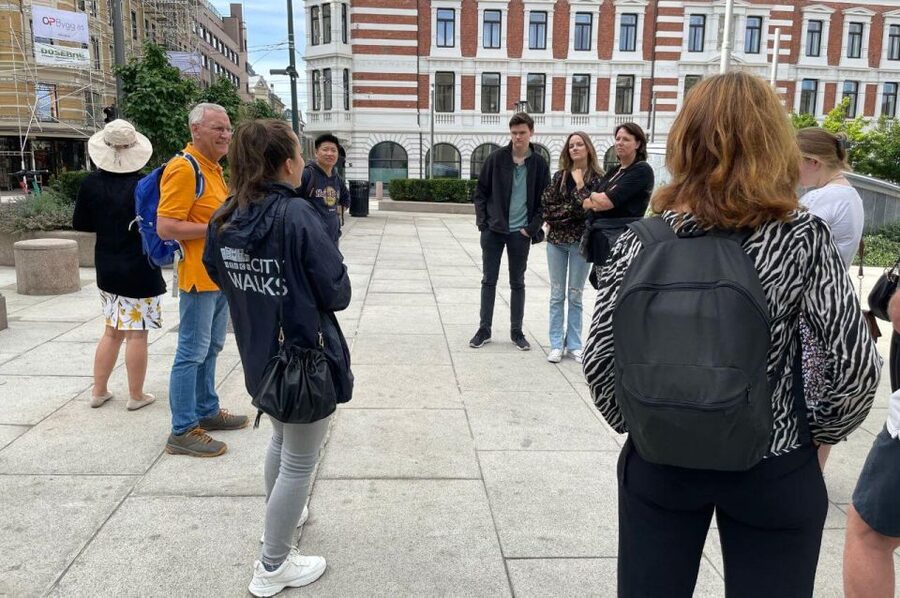
Then comes Christiania, the historical center of Oslo. This is where the tour adds one of its most memorable storylines: why the Norwegian capital changed its name several times over roughly 300 years. It sounds abstract until you walk the streets with that context in your head, then you start to see the city’s layers more clearly.
Christiania Torv is a strong stop for first-timers because it helps connect the older Oslo with the modern city you are already seeing. If you plan to visit any historic neighborhoods later, this is the part that makes them click.
Akershus Fortress and the Waterline: History Meets the Harbor
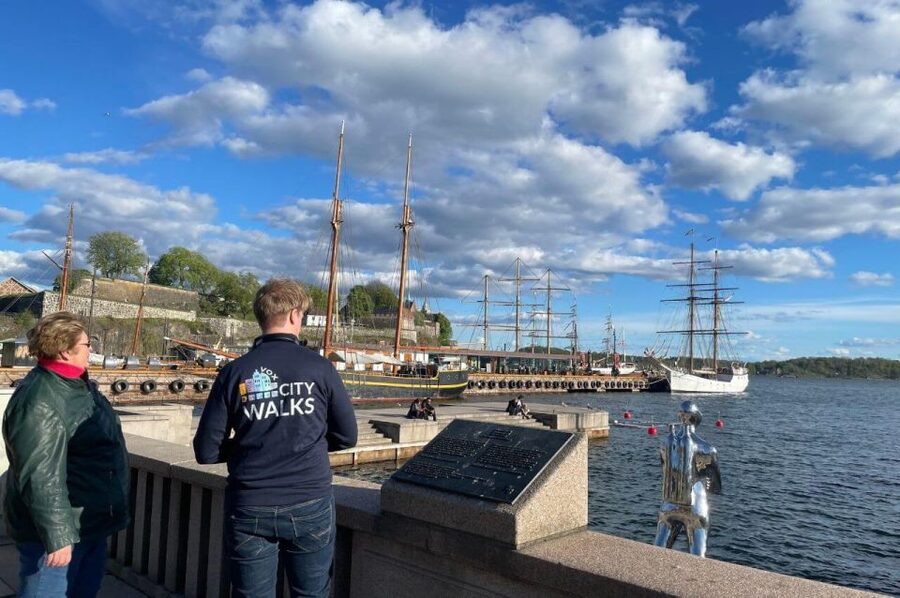
The walk reaches the fortress area, including Akershus Fortress, and the waterfront segments that let you experience Oslo’s coastline in a human way. Stops in this zone can include points like KOK Oslo Sauna on Langkaia and other harbor areas as the route heads toward the civic water edge.
Akershus Fortress is especially valuable because it gives you the “why” of Oslo’s defensive past and how the harbor mattered. It also helps you understand today’s layout, since modern paths and views often follow older strategic lines.
City Hall, University Area, and the Tiger Symbols
You loop back toward Oslo’s civic core, including Oslo City Hall and nearby landmark areas like the Ceremony Pier. Along the way you see items that make Oslo feel uniquely itself, including a Fire Tower and Tiger sculpture.
If you like symbolism, this is your payoff. The Tiger City nickname is not just a marketing label, the guide uses it to connect civic identity with city history. And since these are central stops, you can use them later to orient yourself on your own.
Aker Brygge and Tjuvholmen: Oslo’s Alternative Quarter Energy
A big chunk of the charm comes from walking into the Aker Brygge area and continuing toward Tjuvholmen. This is where Oslo starts feeling like a place you would actually hang out, not just tour.
The tour’s focus on Aker Brygge as an alternative quarter is practical. You learn where the energy lives, where people gather, and which streets naturally lead you toward food and drinks. It is a great segment to remember if you want to plan an evening that feels local, not generic.
The Included App: How You Keep Exploring After the Two Hours
The tour includes a sightseeing mobile app, and you download it afterward. The voucher includes a QR code, which is how you access the audio-guided route.
This part is a real value add because you can extend the visit without needing another guide. You get a self-guided set of main sights, including Frogner Stadion, Trinity Church, Karl Johan’s monument, Grensen, Aamodt Bridge, and more.
I like using this approach on trips: you do one guided walk for structure, then you do a self-guided loop for flexibility. If you start the tour early, you can also decide later which stops deserve more time.
Who This Tour Fits Best
This is ideal if you want a first-day Oslo orientation with enough depth to make later sightseeing easier. It suits history fans, architecture lovers, and anyone who likes their travel with stories, not just street names.
It is also a good option if you like efficient pacing. Many guide comments praised clear communication, a reasonable pace without rushing, and a smooth experience even when it rained. On the practical side, it is a walking tour, so you should be ready for typical city sidewalk conditions.
Practical Notes for a Smooth Walk
Choose your starting point based on where you are staying, because drop-off options match those two meeting areas. The tour includes a set of guided stops across central Oslo, then concludes back at either Universitetsplassen or the Nobel Peace Center area.
For the language, the guide is available in English or German, and you select the option at checkout. In reviews, English communication was repeatedly praised, and on larger groups, an earpiece was mentioned as helpful for hearing the guide clearly.
Finally, plan for weather. One caution from feedback: winter sidewalks are not always cleared evenly, and that can be a problem for mobility needs.
Should You Book Best of Oslo Walking Tour?
If you want an efficient way to understand Oslo’s layers, I would book it. For $38 and 2 hours, you get a guided run through the main sights, plus an app so you can keep moving at your own pace afterward.
I would skip it only if you already know Oslo well and you prefer doing everything independently without a guide’s story thread. If it is your first visit and you want to feel oriented fast, this tour is a smart starting move.
FAQ
How long is the Best of Oslo Walking Tour?
The tour lasts about 2 hours.
Where do I meet for the tour in English or German?
For the English tour, meet near the statue of P.A. Munch by the Faculty of Law building entrance at University Aula, Karl Johan Str. 47. For the German tour, meet at the Nobel Peace Center at Brynjulf Bulls plass 1.
Where does the tour end?
Drop-off locations are either Universitetsplassen or the Nobel Peace Center, depending on the option booked.
What languages are available for the live guide?
Live commentary is available in English or German.
What is included in the price?
Included are the guided walking tour with live commentary and a sightseeing mobile app.
Are entry tickets to attractions included?
No. Entry to attractions is not included.
Does the tour include public transportation?
Public transportation tickets are not included.
Is there an audio app I can use after the tour?
Yes. After the tour, download the provider’s app. Your voucher includes a QR code to access the walking route with audio guidance.
Can I cancel for a refund?
Yes, you can cancel up to 24 hours in advance for a full refund.
Recently added around Oslo
- 4 hours Best View of the Oslofjord Winter Edition★ 4.0 · 15 reviews
- Oslo Winter Highlights Bike Tour★ 5.0 · 36 reviews
- Winter Forest Walk and Campfire by Torchlight in Oslo★ 4.5 · 20 reviews
- Viking Planet Oslo Combination Ticket (Museum +VR Game)★ 4.0 · 13 reviews
- Unknown war. Oslo and Norway during 1940-45★ 5.0 · 74 reviews
- The Ultimate Norwegian Skiing Experience★ 5.0 · 16 reviews
- The Viking Planet Museum – Mini Group (4 adults)★ 4.0 · 16 reviews
- The Ultimate Study of the Human Form at Vigeland’s Sculpture Park with a Local★ 4.0 · 14 reviews
Walking Tours, compared.
Past & Present Small Group Guided Walking Tour
Read our review →
Walking Tour in Bergen of the Past and Present
Read our review →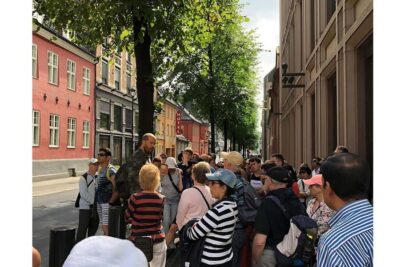
Guided Walking Tour of Central Oslo with Local Guide
Read our review →


Central Oslo Guided Walking Tour with Local Guide
Read our review →Browse the lists this tour appears in