
Review · MUSEUM VISITS
Maihaugen Museum/The Norwegian Olympic Museum, Lillehammer.
Time travel wears boots. At Maihaugen in Lillehammer, you can walk past buildings that span centuries, from a Garmo stave church dating to the 1200s to everyday homes that show how Norway changed. I especially like the indoor exhibitions, because they keep the story clear even when outdoor areas are quiet. The main drawback to plan for is seasonal: in winter, many open-air houses and outdoor activities can be limited or closed.
If you want one ticket that covers history, culture, sports, and (in summer) postal nerdiness, this site delivers. The value is solid at about $19 per person for a full day on the same grounds, including the Olympic Museum, and the cafeteria helps you keep moving without hunting for food.
In This Review
- Key highlights to know before you go
- Why Maihaugen works so well in Lillehammer
- Start at the Visitor Center, then build your route
- Garmo stave church and the early chapters of Norwegian life
- The open-air museum across centuries, from farms to 1900s homes
- Indoor exhibitions: when the weather turns, you still win
- Norwegian Olympic Museum: sports history in a modern package
- Postal Museum in summer, and why it’s more fun than it sounds
- Food, breaks, and the shop you will actually use
- A realistic itinerary for a full day
- Price, value, and how to get your money’s worth
- Who this suits best, and who might want to adjust
- Season tips: how winter changes the experience
- Should you book Maihaugen and the Olympic Museum?
- FAQ
- Where is the meeting point?
- How long should I plan for this experience?
- What does the ticket include?
- How much does it cost?
- What is not included?
- Is the Norwegian Postal Museum included year-round?
- Is there an English-speaking host or greeter?
- Is the site wheelchair accessible?
- Can I cancel and still get a refund?
- Is pay later an option?
Key highlights to know before you go
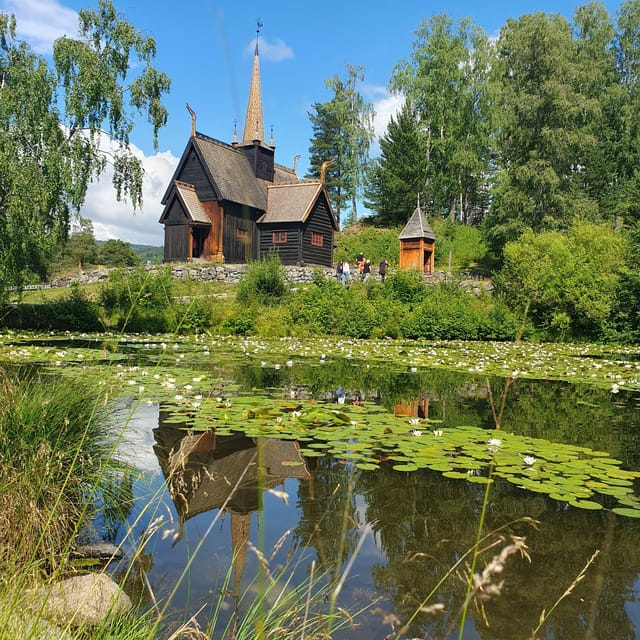
- Garmo stave church from the 1200s: an iconic old Norway stop, even if outdoor areas are less active
- More than 200 buildings across eras: you can compare centuries without needing a separate tour for each period
- Indoor exhibitions that explain how Norway evolved: handy when weather limits the open-air stroll
- Olympic history at the Norwegian Olympic Museum: focused on Norway’s big Olympic moments, including Oslo 1952 and Lillehammer 1994
- Exhibitions like Impulses and We won the land: you get story-based exhibits, not just display cases
- Norwegian Postal Museum in summer: preserved postal history since 1947, plus the chance to see an old postal train carriage
Why Maihaugen works so well in Lillehammer
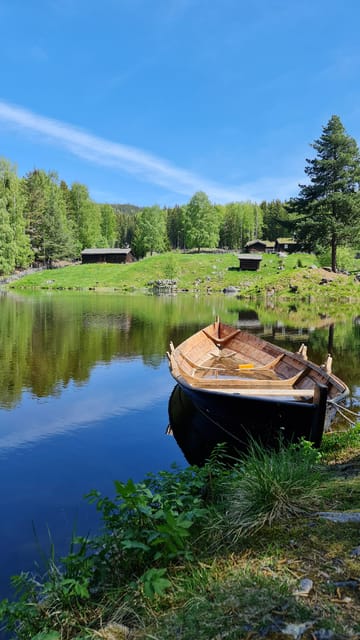
Maihaugen is Norway’s largest open-air museum, and that size matters. With more than 200 buildings, you get a sense of how people lived, worked, and built across many eras without bouncing between different sites all day. You’re not just looking at architecture, you’re seeing the logic of a community, homes clustered with farm settings, and work linked to daily routines.
Two things I like a lot. First, I love the way the site anchors you with major landmarks, like the Garmo stave church from the 1200s. Second, the indoor areas keep you oriented. Even if you do only part of the open-air museum, you still get the big picture through indoor exhibitions.
One practical consideration: outdoors is the star in summer. The museum is open all year, but winter can mean fewer doors open and fewer outdoor activities running. If you visit in cold months, plan your day around indoor time first, then treat the outdoor buildings as a bonus when they’re accessible.
More Museums in Norway:
- Kon-Tiki Museum Entrance Ticket
★ 4.5 · 1,096 reviews - Oslo: Paradox Museum Entry Ticket
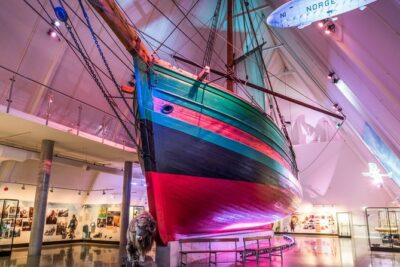
★ 4.3 · 799 reviews - The Fram Museum Admission Ticket
★ 4.5 · 490 reviews
Start at the Visitor Center, then build your route
Your day starts at the Visitor Center. Go in, then head to the counter where the hosts are. I find this step helps you get bearings fast, especially if you arrive in off-hours or in shoulder seasons when not every building is operating.
From there, you can choose the rhythm that matches your energy:
- If the weather is good, you can do more open-air wandering between buildings.
- If it’s cold, windy, or rainy, you’ll get more value by bouncing between indoor exhibitions and whichever outdoor buildings are open.
Because the site covers centuries, it helps to pick a loose “thread.” For example, follow how farm life and homes evolve, or focus on indoor displays first and leave the open-air part for later if it looks promising.
Garmo stave church and the early chapters of Norwegian life
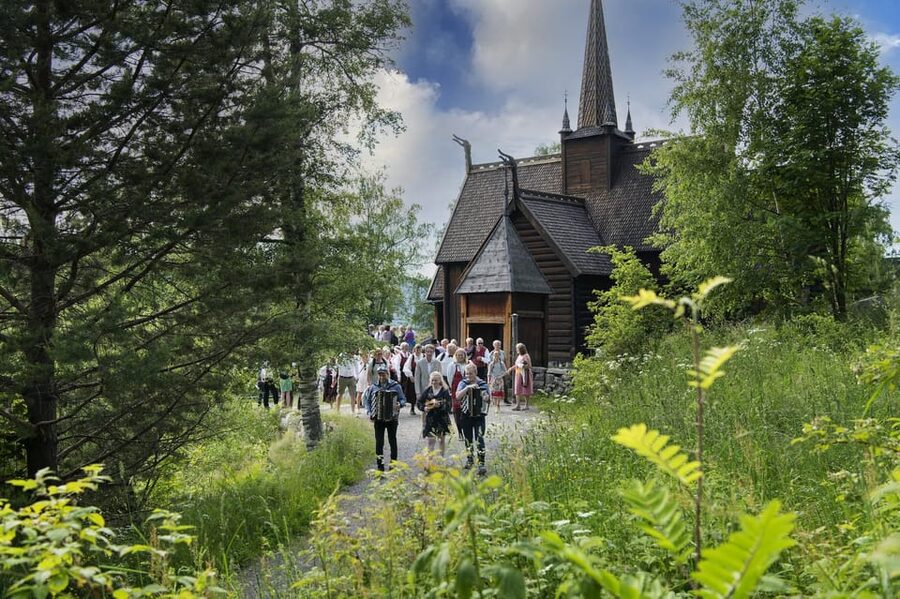
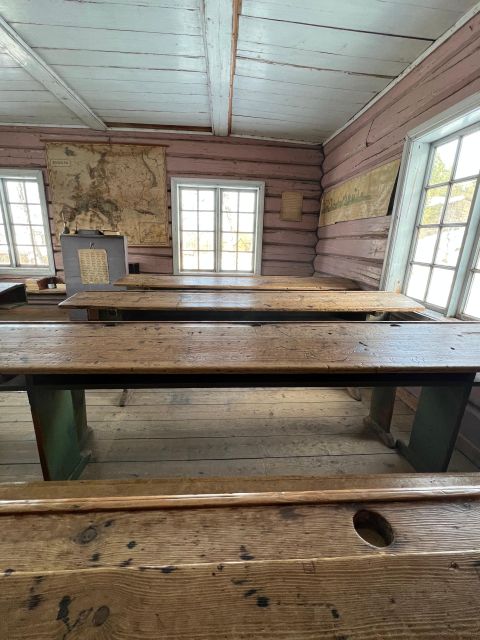
One of the biggest reasons to prioritize Maihaugen is the chance to see serious history in a real setting. The Garmo stave church from the 1200s is the kind of object that changes how you see a country. You’re not reading about medieval Norway in the abstract. You’re standing in a building form that helped define Norwegian culture for generations.
Even if you only catch a portion of the open-air museum, this is the moment that feels most substantial. It’s also a great mental anchor when you later compare newer farmhouses and houses from the 1900s. The contrast is instant, and it makes the time period shifts feel real.
If you’re visiting in winter, consider this a “must hit” even when outdoor access is reduced. When open-air coverage is limited, you still want at least one high-impact stop, and this is it.
The open-air museum across centuries, from farms to 1900s homes
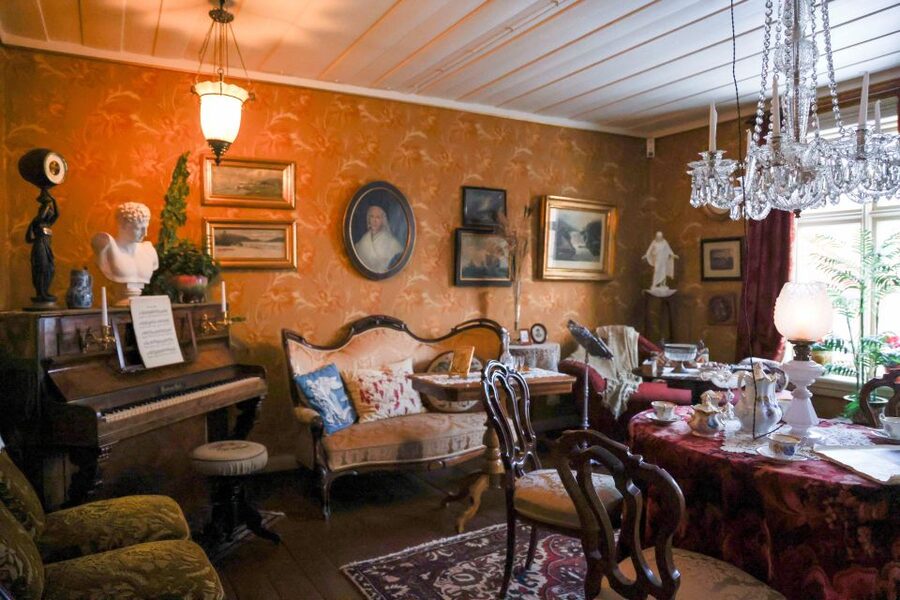
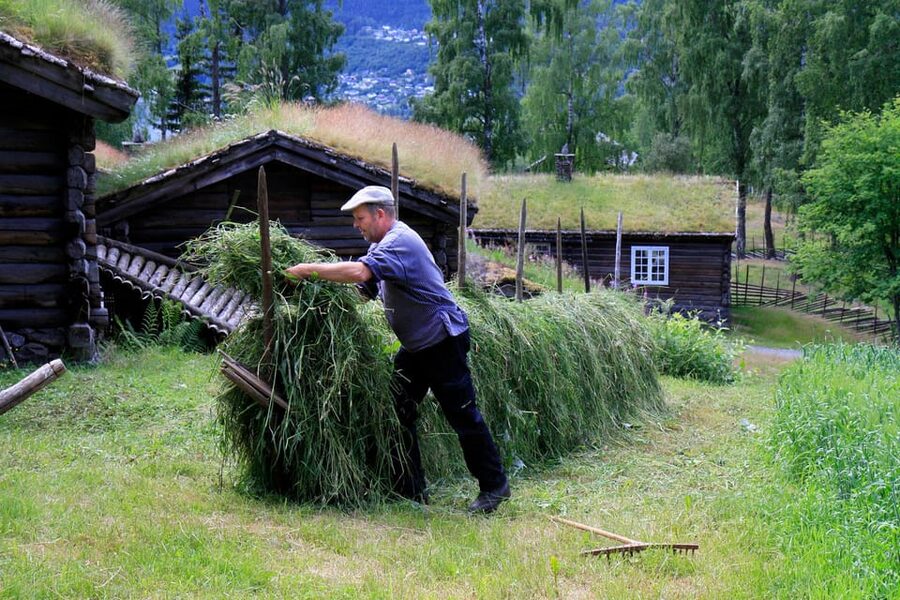
Maihaugen is built for comparison. The site includes older farms from multiple centuries and houses representing different periods, including the 1900s. Walking this kind of route can feel like stepping through a museum textbook, but in 3D.
Here’s what you can look for as you move through the grounds:
- How buildings are arranged and what they suggest about work and daily routines
- How farm life is represented, including the feel of a mountain farm environment
- How household life shifts as you move into later eras
During warmer seasons, you may find hosts or actors in historic houses. That matters because it turns architecture into atmosphere. Even short interactions can help you understand what each building was for, not just what it looked like.
You should also keep expectations realistic. When some buildings are closed, you can still enjoy the site, but the experience becomes more about the ones that are open and the indoor exhibitions that explain the full timeline. If you’ve got limited time and the day is not ideal, you’ll be happier if you treat the open-air part as flexible.
Same corner of the country, a completely different day out:
- From Bergen: The Original Fjord Cruise to Mostraumen
★ 4.7 · 8,440 reviews - Stavanger: Electric Fjord Cruise to Lysefjord & Preikestolen
★ 4.6 · 8,385 reviews - Tromsø: Northern Lights Safari with Expert Guides and Photos
★ 4.6 · 6,654 reviews - Tromsø: Reindeer Sledding & Feeding with a Sami Guide
★ 4.8 · 6,417 reviews
Indoor exhibitions: when the weather turns, you still win
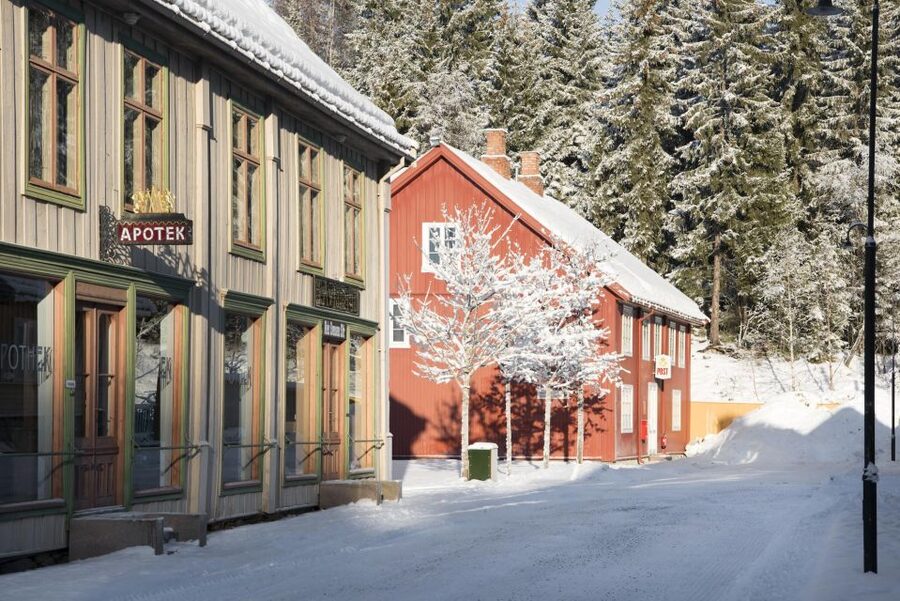
If you want the strongest payoff regardless of season, spend time indoors. The indoor exhibitions are the part of Maihaugen that tends to hold up best when outdoor access is restricted. They’re also the easiest way to understand Norway’s cultural development without needing to guess dates from signage.
Two exhibit titles called out are Impulses and We won the land. These are story-based presentations, so you’re not just passively reading short facts while waiting for outdoor houses to open. Instead, you get themes and context that make the open-air buildings more meaningful.
This matters if you’re traveling with kids or anyone who gets restless outdoors. You can keep the day moving, stay warm, and still feel like you’re learning. If you’re the type who likes museums that explain how things fit together, the indoor stops are where you’ll feel the most “value per hour.”
Norwegian Olympic Museum: sports history in a modern package
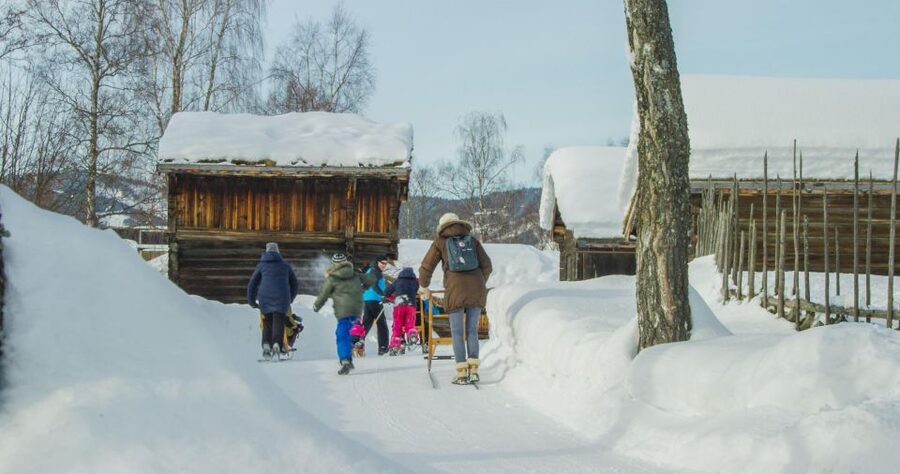
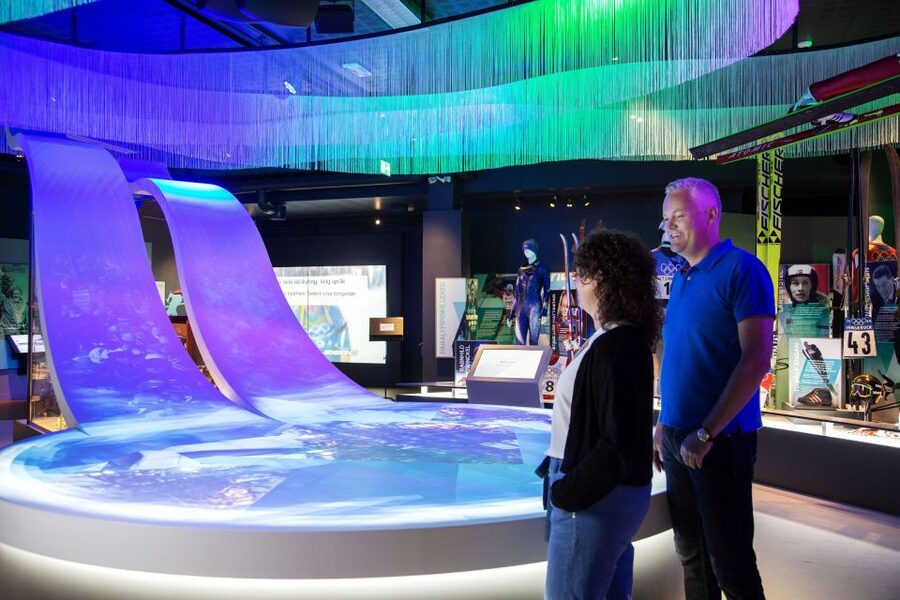
Right on the same site, the Norwegian Olympic Museum adds a totally different flavor. It focuses on the history of sports and Norway’s Olympic achievements, stretching from ancient times to the present. That sounds broad, but the museum is structured around meaningful milestones.
You’ll notice special attention given to Norway’s two Olympic events in Oslo 1952 and Lillehammer 1994. That focus is smart for locals and visitors alike, because it ties the story to places you can actually point to on a map. It also makes the museum feel relevant, not just international trivia.
What you can expect is a modern, interactive approach, with original objects, hands-on installations, and films that bring major Olympic moments to life. If you think of museums as still images only, this one is a reminder that sports history can be cinematic and engaging.
This stop is great in two scenarios:
- If the weather is poor and you want a guaranteed indoor win
- If you want something besides the century-hopping of the open-air museum
Postal Museum in summer, and why it’s more fun than it sounds
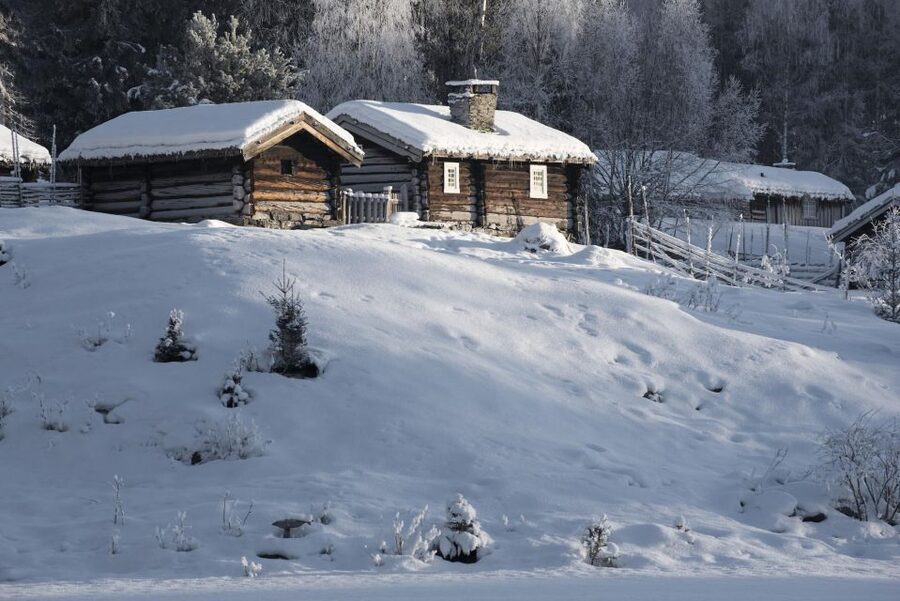
In summer, the Norwegian Postal Museum is included. It preserves and shares Norwegian postal history since 1947, and it includes exhibits that can surprise you, like an old train with a postal carriage.
Postal museums can be wonderfully practical. They’re about communication networks, logistics, and how everyday life worked. Even if you’re not a stamp collector, you’re likely to enjoy the sense of how messages moved across Norway and how the postal system shaped routines.
Important note for planning: it’s summer only. If you’re visiting outside that season, you can’t count on it, so your day should focus on Maihaugen and the Olympic Museum first.
Food, breaks, and the shop you will actually use
Maihaugen has a cafeteria in the main building and it’s open year-round. During summer, there are additional places to eat around the grounds, which makes it easier to keep your route without backtracking.
For me, the best travel habit here is simple: schedule at least one sit-down break. With so many buildings, your feet will start to demand respect. A cafeteria stop keeps the day enjoyable instead of turning it into endurance walking.
There’s also a museum shop. You’ll find quality design products, which means it’s not just tourist clutter. If you like Scandinavian objects, ceramics, or simple souvenirs that don’t look mass-produced, it’s worth a quick look near the end.
A realistic itinerary for a full day
Here’s a flexible flow that works well in most conditions, and you can adjust based on what’s open that day.
Morning: start indoor, then go open-air
Begin with the indoor exhibitions. This is your best bet for building context early. After you get the storyline in your head, the open-air buildings make more sense as you compare eras.
Late morning to afternoon: open-air route with a main priority
Then head outside for the open-air parts. Prioritize the Garmo stave church if it’s available. After that, aim for the farms and historic houses, including buildings from the 16th through the 19th centuries and into the 1900s, as you find them open and accessible.
Midday: cafeteria break
Take a break before you slow down. The cafeteria is your year-round safety net.
Afternoon: Olympic Museum as your anchor
Plan the Norwegian Olympic Museum next or last, depending on your pace. I like leaving it for later because it’s a change of mood and usually less dependent on weather.
Optional add-on in summer: Postal Museum
If you’re visiting in summer, slot in the Postal Museum when it fits. It’s a fun detour that doesn’t require a massive commitment to enjoy.
Price, value, and how to get your money’s worth
The ticket cost is about $19 per person for 1 day. That price becomes more convincing when you use all the included spaces, not just one section. Your ticket includes entrance to the open-air museum, indoor exhibitions, and the outdoor exhibitions (which vary by season), plus entrance to the Norwegian Olympic Museum. In summer, it also covers the Norwegian Postal Museum.
So, your best value strategy is to treat this as three museums, on one campus:
- Open-air museum for buildings and eras
- Indoor exhibitions for context
- Olympic Museum for a modern interactive break
- Postal Museum in summer for a unique theme
If you’re trying to do it like a checklist but skip the Olympic Museum or skip the indoor areas, you’ll feel the day gets lopsided. To get the most satisfaction, build in time for the indoor explanations, then let the open-air buildings reinforce what you learned.
Who this suits best, and who might want to adjust
Maihaugen is ideal if you like museums that blend themes, and you’re okay spending a few hours walking between areas.
It’s especially good for:
- Families who want variety, from historic houses to modern exhibits
- History lovers who want a time-spanning overview without hopping transportation
- Travelers who also like sports and want Olympic history in a local context
It might be less ideal if you want only one type of museum experience. If you’re only into modern sports exhibits, you may feel the open-air part is extra. If you only want medieval architecture, you might find the day feels like too many eras at once. In that case, I’d still recommend doing the indoor exhibitions so you’re not walking around guessing what you’re seeing.
Season tips: how winter changes the experience
Maihaugen is open all year, but the open-air energy changes by season. The site’s strongest outdoor activities are during summer, when more buildings and activities are available and when actors or hosts may appear in historic houses.
In winter, you can still enjoy the museum, but you should adjust expectations. Some buildings may be closed, and outdoor access to the full experience may be reduced. If that happens, you’ll be glad you planned time for indoor exhibitions first, and you’ll still leave with a solid understanding of Norwegian cultural development through the exhibitions you can access.
If you’re visiting in colder months, I recommend you keep your day flexible and avoid scheduling too tightly afterward. A calm pace helps because you’ll spend more time indoors if outdoor access is limited.
Should you book Maihaugen and the Olympic Museum?
I think you should book if you want a full-day, high-value museum stop that combines history and Olympic storytelling on one site. The pairing works because it gives you two very different kinds of learning, older Norway through buildings and indoor exhibits, and sports history through modern displays.
You should consider skipping or adjusting your plan if you’re visiting in winter and you expect every open-air building to be accessible. In that season, prioritize the indoor exhibitions and the Norwegian Olympic Museum, then treat the open-air area as a bonus when individual buildings are open.
If you’re planning a Norway road trip and want one stop that explains the country beyond just landscapes, Maihaugen is one of the better bets in Lillehammer.
FAQ
Where is the meeting point?
Go into the Visitor Center and head to the counter where the hosts are.
How long should I plan for this experience?
It’s valid for 1 day, so plan around a full day at Maihaugen and the museums on site.
What does the ticket include?
Entrance to the Maihaugen open-air museum, the indoor exhibitions, and outdoor exhibitions (which vary by season). It also includes entrance to the Norwegian Olympic Museum. The Norwegian Postal Museum is included in summer only.
How much does it cost?
The price is $19 per person.
What is not included?
Transportation to and from the museum, and food and beverages.
Is the Norwegian Postal Museum included year-round?
No. The Norwegian Postal Museum is included only in summer.
Is there an English-speaking host or greeter?
Yes, the host or greeter is listed as English, and the languages for the experience are English.
Is the site wheelchair accessible?
Yes, it is listed as wheelchair accessible.
Can I cancel and still get a refund?
Yes. Free cancellation is available up to 24 hours in advance for a full refund.
Is pay later an option?
Yes. You can reserve now and pay later, keeping your plans flexible.
Recently added around Norway
- From Honningsvåg: VIP North Cape and Kingcrab Tour★ 4.4 · 93 reviews
- Bergen: Power of Vøringsfossen – our Most Iconic Waterfall★ 4.6 · 10 reviews
- Ulvik: Hardangerfjord Ultimate RIB Tour★ 4.7 · 39 reviews
- Voss High Rope & Zipline Park★ 4.7 · 3 reviews
- Ulriken Bergen: Enjoy a 3-course lunch with panoramic views★ 4.9 · 21 reviews
- Ulvik adventure: Exploring Hardangerfjord’s Osafjord by RIB★ 4.7 · 22 reviews
- Tromsø: Winter Fjord Road Trip★ 4.8 · 102 reviews
- Tromsoe: Make your own silver ring in a goldsmith workshop★ 4.9 · 124 reviews
Museum Visits, compared.

Troll Museum Entry Ticket with AR Media Experience
Read our review →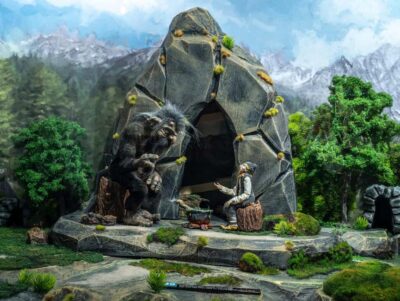
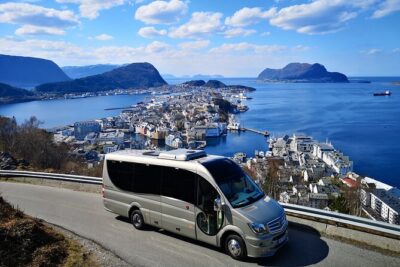
Aksla-Alnes-Giske-Sunnmøre museum 100 % Highlights 4.5 H
Read our review →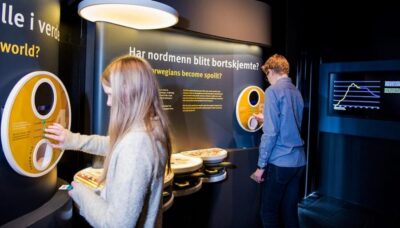
Browse the lists this tour appears in