
Review · MUSEUM VISITS
Stavanger: Norwegian Petroleum Museum – Entrance Ticket
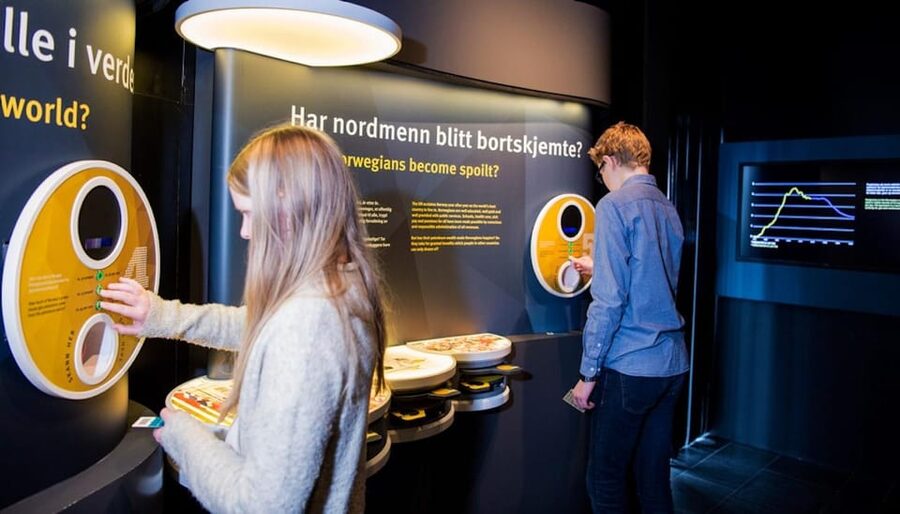
A day at Stavanger’s Norwegian Petroleum Museum is unexpectedly gripping. You walk through Norway’s offshore story and the climate pressure on the same floor, using interactive exhibitions that actually pull you in. I especially like how it explains oil and gas formation, then connects it to real operations people had to learn for.
Two things I like a lot are the mix of hands-on learning and the way the museum uses original objects, models, films, and interactive displays. You are not stuck reading panels all day. Also, the museum is built for families, so kids get their own zone with active play instead of just quiet watching.
One possible drawback: this is a museum about petroleum and offshore work first. If your main goal is a general history museum or a pure climate exhibit with no industry context, you may wish for a bit less focus on drilling, production, and technology.
In This Review
- Key highlights you should look for
- Getting to the Norwegian Petroleum Museum near Vågen
- Your indoor itinerary: how the museum tells the petroleum story
- Technology advances and society: more than machinery
- The climate challenge: greenhouse gases and global warming in plain museum language
- OIlkid film and the family zone with rescue chute and catastrophe room
- Interactive games and a picture quiz: how to keep everyone engaged
- Where value comes from: learning + play in one ticket
- Who should book this museum in Stavanger
- Price and logistics, in plain terms
- Should you book Norsk Oljemuseum in Stavanger?
- FAQ
- Where is the Norwegian Petroleum Museum located?
- How much is the entrance ticket?
- How long should I plan for this experience?
- What are the opening hours?
- Is the museum open year-round?
- Is the museum wheelchair accessible?
- What languages are available?
- What is included with the ticket?
- Is meals or pick-up service included?
Key highlights you should look for
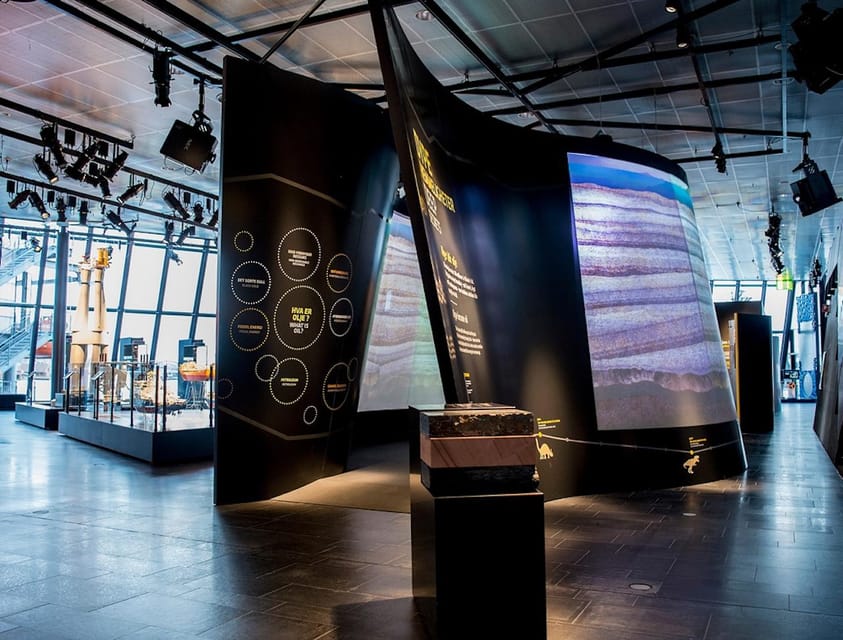
- Petroleum story that starts with geology, then moves to discovery and drilling on the Norwegian continental shelf
- Interactive exhibits that explain how offshore operations became Norway’s most important industry
- Climate challenge section tied to greenhouse gas emissions and global warming
- Original objects, models, and films that make the story feel grounded, not abstract
- Family play platform, plus activities like a rescue chute and the catastrophe room
Getting to the Norwegian Petroleum Museum near Vågen
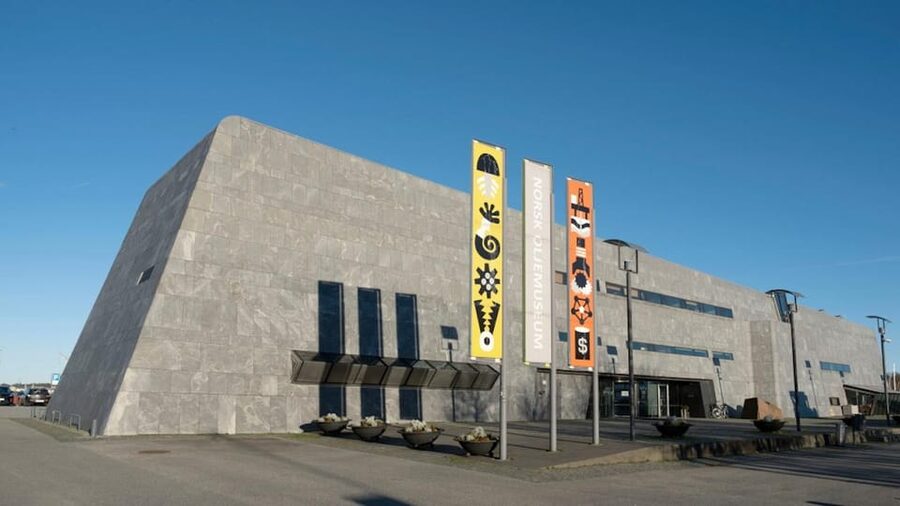
Stavanger’s Norwegian Petroleum Museum is in the city center, close to Vågen, the harbor area. That matters because it means you can tack it onto a normal day of walking, instead of planning a separate trip.
For practical arrival, I’d aim for the parking at Jorenholmen if you are driving. Once you’re there, the museum setup is straightforward: buy your entrance ticket, then go straight into the exhibition spaces. Since it is open all year, you do not need to stress about seasonal closure, just plan around the varying hours by season.
Accessibility is also clearly considered. The museum is wheelchair accessible, and you can expect support from an English or Norwegian host or greeter.
More Museums in Stavanger:
- Stavanger: Sights and Highlights Minibus Tour with Museum Entry
★ 4.5 · 11 reviews - Stavanger: Sights & Highlights Minibus Tour and Museum Entry
★ 5.0 · 5 reviews - Kon-Tiki Museum Entrance Ticket
★ 4.5 · 1,096 reviews
Your indoor itinerary: how the museum tells the petroleum story
If you only do one thing in Stavanger about oil and gas, do it here. The core of the experience is the way the museum turns a complicated industry into a sequence you can follow.
You start by learning how offshore operations became Norway’s main industry. Then the exhibits guide you through the chain of events below the seabed: how oil and gas form, how resources are found, and how drilling and production are done. It is the kind of “cause and effect” storytelling that helps the topic make sense fast, even if you have zero technical background.
I also like that the museum does not treat petroleum as a single chapter. It spreads the story across multiple angles:
- geology and formation
- exploration and finding resources
- drilling and production
- technology advances over time
- how oil revenue affected Norwegian society
That last point is important. The museum makes it clear that petroleum is not only about machines and engineering. It is also about money flows and what those flows meant for everyday life in Norway.
Technology advances and society: more than machinery
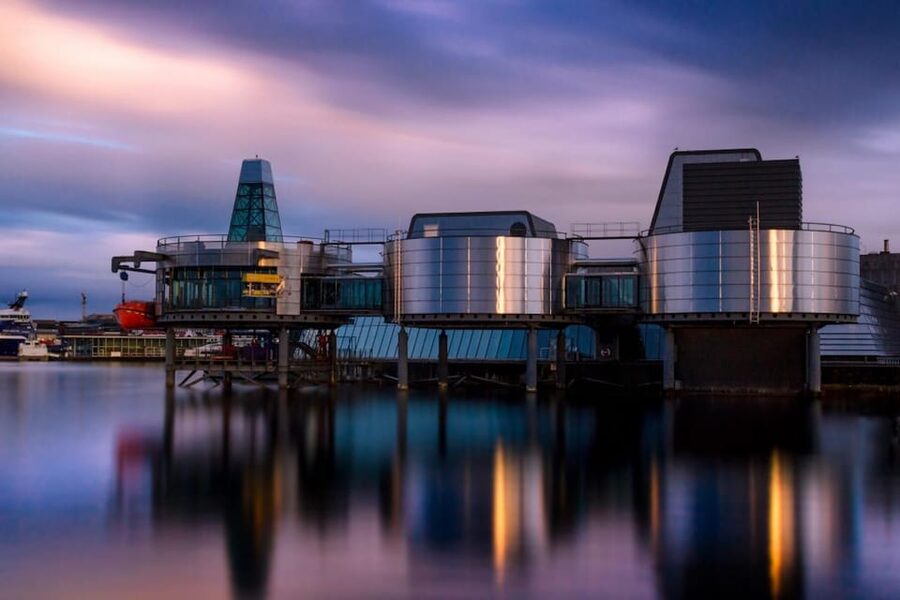
One reason this museum works is the variety of exhibit formats. You will see original objects, plus models and films, and you will also find interactive displays that ask you to engage, not just observe.
When you are done with the basic story of drilling and production, you move into technology. The museum highlights advances made by this sector, which helps you understand why offshore work became so important in the first place. It is easier to connect the dots when you can see how problem-solving led to new methods.
Then there is the society angle. Oil revenue and its effects on Norwegian society are covered in a way that keeps the narrative human. You start thinking about how an industry shapes a country, not just how a well is drilled.
If you care about how countries grow built around one major resource, this portion is a strong reason to spend your time here. It gives you context for why Norway is often talked about as a place that learned to manage its petroleum power.
The climate challenge: greenhouse gases and global warming in plain museum language
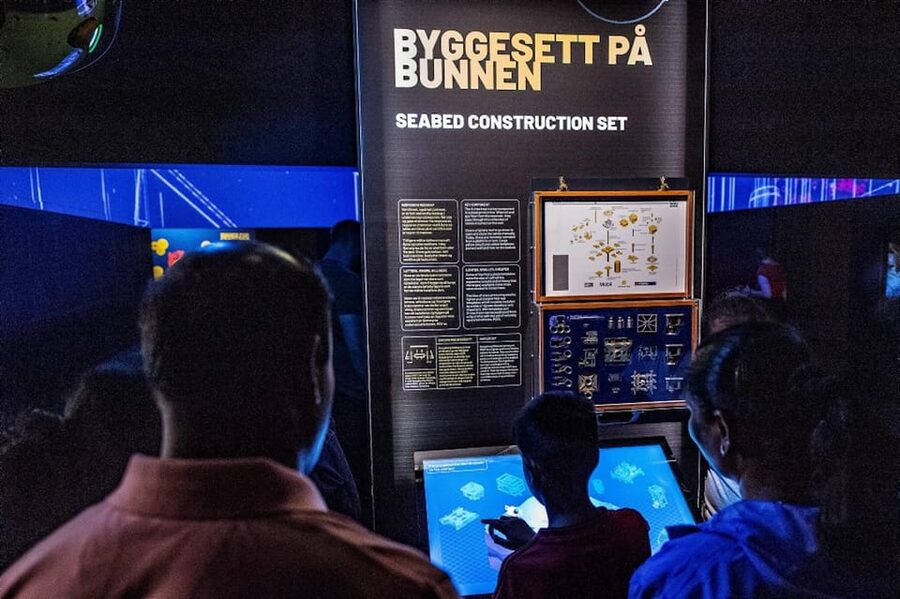
A key part of the museum experience is how it tackles the climate challenge. The exhibits connect the big topic of greenhouse gas emissions to global warming, and they do it inside the same building that explains offshore petroleum.
I like that pairing. It prevents the common museum problem of separating “industry history” from “environment talk” into two unrelated worlds. Here, you get the sense that the climate question is part of the same conversation as petroleum production.
You can expect the museum to frame this as a real challenge tied to emissions. The goal is not guilt-only messaging. It is learning how the climate problem is linked to what industries do, and what that means for the future.
If you are already trying to understand climate change in an evidence-based way, you will appreciate the directness. You are not sent to a lecture hall or forced into vague slogans. Instead, the museum keeps returning to the relationship between emissions and global warming.
A few more Stavanger days worth weighing up
- Stavanger: Electric Fjord Cruise to Lysefjord & Preikestolen
★ 4.6 · 8,385 reviews - Stavanger: Fjord Cruise to Lysefjord and Pulpit Rock
★ 4.8 · 1,357 reviews - From Stavanger: RIB Tour to Lysefjord
★ 4.9 · 1,288 reviews - From Stavanger: Lysefjorden & Pulpit Rock RIB Boat Tour
★ 4.8 · 1,156 reviews
OIlkid film and the family zone with rescue chute and catastrophe room
The museum does a smart thing for families: it offers both adult-focused learning and kid-focused action. Once you spot the kid areas, you can plan your day so adults and children stay interested.
Be sure to watch the museum film Oilkid. It is described as a film about growing up in times of change. Even if you are not a documentary fan, the idea here is relatable: the future you inherit matters, and change is something kids grow up with, not something they only hear about later.
For the youngest visitors, there are hands-on activities such as:
- a rescue chute
- a catastrophe room
- interactive games
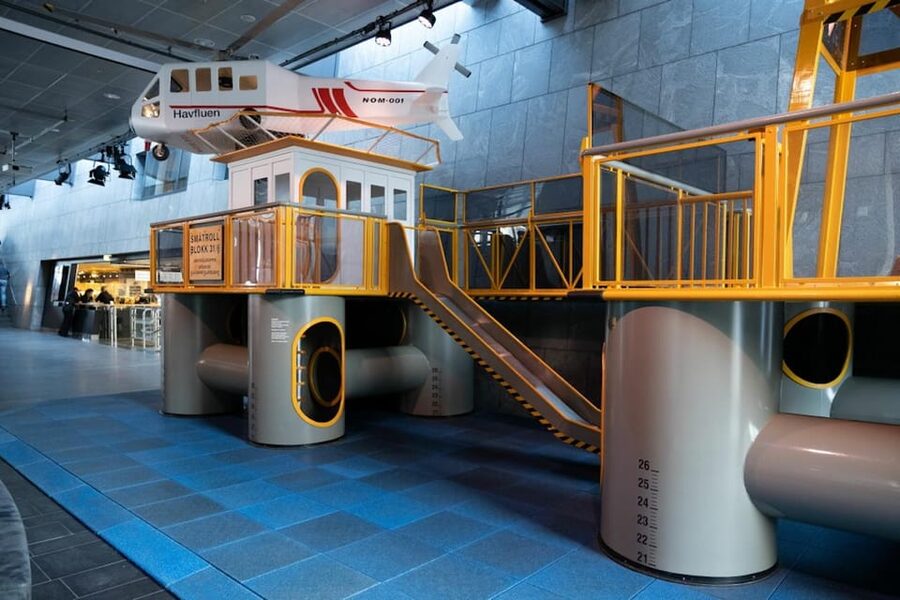
- a play-platform where little ones can slide, play, and climb
This is not just a waiting room style kids area. It is built for energy. If you have toddlers or elementary school kids, you will likely spend at least a meaningful chunk of your visit here because the play-platform is the kind of thing kids keep wanting to try again.
One more family-friendly touch is the picture quiz. It is meant for the whole family to take part in while you find details around the exhibitions. That turns a museum walk into something closer to a scavenger hunt, and it helps kids stay engaged with the exhibit details instead of rushing ahead.
Interactive games and a picture quiz: how to keep everyone engaged
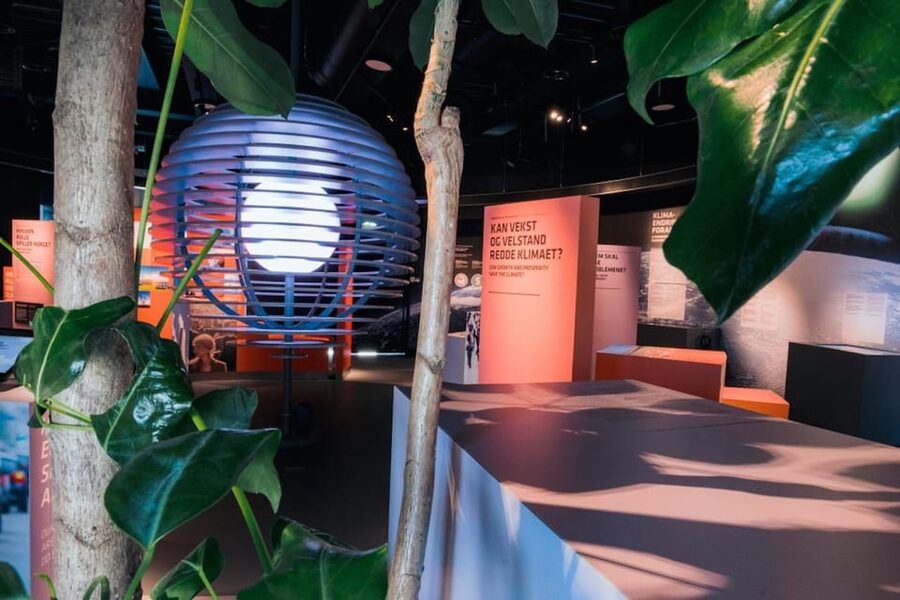
This museum has interactive features for adults and children, but the strategy is what makes the difference. If you go in with a plan, you will feel less lost and more satisfied.
Here’s a simple route idea that usually works well:
- Start with the main petroleum story (formation, finding resources, drilling and production)
- Continue into technology advances and how oil revenue shaped Norwegian society
- Take a climate challenge break when you are ready to connect the story to greenhouse gas emissions and global warming
- Switch gears for families: film Oilkid, then the rescue chute, catastrophe room, and play-platform
- Finish with the picture quiz so you end on a shared activity
You do not need to do this in strict order, but breaking your visit into chunks helps. Petroleum exhibits can be information-heavy, while the family activities are physical and playful. Switching modes keeps your attention from getting tired.
Where value comes from: learning + play in one ticket
At $19 per person, you should judge the ticket by what you actually get. This museum gives you a lot in a single day because it covers both the industry and the climate question, and it includes interactive learning plus kid action.
You get:
- an entrance ticket into the full museum experience
- interactive exhibitions that explain offshore operations and Norway’s petroleum industry
- a climate challenge section tied to greenhouse gas emissions and global warming
- a strong children’s area with physical play activities
- the opportunity to watch Oilkid
That blend is what makes the value feel solid. If you were paying for only a couple of static exhibits, $19 would feel steep. But here you are paying for a full, multi-area museum visit that can hold the attention of adults, teens, and younger kids.
Another value point: the museum is in Stavanger city center near Vågen. When a museum is easy to reach, you save time. Time saved is value, too.
Who should book this museum in Stavanger
This is a good fit for several kinds of visitors.
You’ll probably love it if you:
- want a clear explanation of how oil and gas operations work offshore
- like technology and how it changes industries
- care about climate change and want the topic connected to real-world emissions
- are traveling with children and want activities that let kids move
It’s also good if you want a museum day that does not require you to be a technical expert. The exhibits are described as easy and pleasant in the way they show how petroleum forms and how it is extracted, with additional curiosity added through historical details.
If you are only in town for a short time, a one-day museum stop makes sense. It fits the rhythm of city-center Stavanger, and it does not demand a full week of planning.
Price and logistics, in plain terms
The ticket price is $19 per person for a one-day visit. Since the museum is open all year, you can find a time that fits your travel dates.
Hours shift by season:
- June 1 to Aug 31: every day 10:00 to 19:00
- Sept 1 to May 31: Monday to Saturday 10:00 to 16:00, Sunday 10:00 to 18:00
It is closed on specific holidays, including 17 May, and it is closed on Christmas days listed in the schedule (24, 25, 31 December and 1 January). If you travel around those dates, check the calendar before you commit.
In your planning, remember meals are not included and pick and drop services are not included. This is a museum ticket, so you’ll want to pair it with a nearby lunch plan in Stavanger.
Should you book Norsk Oljemuseum in Stavanger?
Yes, I’d book it if you want an efficient, family-friendly way to understand Norway’s petroleum industry and the climate challenge tied to greenhouse gas emissions. The ticket feels worth it because you get both serious learning and active kids activities in one place.
Skip it only if petroleum and offshore operations do not interest you at all. This museum is built around that topic, and even the climate material stays connected to the emissions question.
FAQ
Where is the Norwegian Petroleum Museum located?
It is in Stavanger city center, close to Vågen (the harbor).
How much is the entrance ticket?
The price is $19 per person.
How long should I plan for this experience?
The duration listed is 1 day.
What are the opening hours?
From June 1 to Aug 31, it is open every day 10:00 to 19:00. From Sept 1 to May 31, it is Monday to Saturday 10:00 to 16:00 and Sunday 10:00 to 18:00.
Is the museum open year-round?
Yes, it is open all year, with a few holiday closures noted in the schedule.
Is the museum wheelchair accessible?
Yes, it is wheelchair accessible.
What languages are available?
English and Norwegian.
What is included with the ticket?
The entrance ticket to the museum is included.
Is meals or pick-up service included?
No. Meals and pick and drop services are not included.
Recently added around Stavanger
- The Pulpit Rock Air★ 4.5 · 8 reviews
- Stavanger’s Historic Sites Smartphone App GPS Audio Walking Tour★ 5.0 · 8 reviews
- Stavanger: Waterfalls, Caves and Rock Tour By Sea★ 4.0 · 145 reviews
- Stavanger: Sights and Highlights Minibus Tour with Museum Entry★ 4.5 · 11 reviews
- Stavanger Boat Tour with Pulpit Rock, Waterfalls and Goats★ 5.0 · 41 reviews
- Stavanger: Guided Lysefjord Safari on Speedboat★ 5.0 · 22 reviews
- Stavanger Private Walking Tour with a Local★ 4.5 · 20 reviews
- Discover Sensational Stavanger: Self-Guided Audio Tour★ 3.5 · 7 reviews
Museum Visits, compared.


Troll Museum Entry Ticket with AR Media Experience
Read our review →
Aksla-Alnes-Giske-Sunnmøre museum 100 % Highlights 4.5 H
Read our review →
Maihaugen Museum/The Norwegian Olympic Museum, Lillehammer.
Read our review →Browse the lists this tour appears in