
Review · MUSEUM VISITS
Oslo: Oslo Discovery Tour with 2 Museums Included
Oslo in half a day is doable, and this guided coach tour strings together major sights, Holmenkollen views, and Vigeland Sculpture Park. You also get museum time on Bygdøy, so the day feels like real Oslo, not just a pass-by-and-go photo run.
I love the guided walking in Frogner Park, where you learn the Gustav Vigeland story right on the ground. I also love the museum pairing, especially the original polar ship Fram, plus the seasonal choice of Norway’s everyday past or Kon-Tiki’s Pacific adventure.
The main trade-off is time: at a half-day pace, your museum visits can feel a bit tightly scheduled if you’re a slow wanderer or a serious reader.
In This Review
- Key Things I Think You’ll Care About
- Getting Oriented in Oslo on a 5.5-Hour Coach Tour
- Downtown Sights You See Best From the Bus
- Holmenkollen Hill, Ski Jump Views, and Why It Feels So Oslo
- Frogner Park and Vigeland Sculpture Park Walking Tour
- Bygdøy Peninsula Museums: Two Different Flavors of Norway
- Inside the Fram Museum, the Ship That Sailed Farther
- Norwegian Folk Museum in Summer, Old Houses and a Stave Church
- Kon-Tiki Museum in Winter, a Balsa Raft That Crossed the Pacific
- Price and Value for $99, What You Really Get
- The Pace: Where the Tour Feels Great, and Where It Moves Fast
- Who This Tour Is Best For
- Should You Book This Oslo Discovery Tour?
- FAQ
- How long is the Oslo Discovery Tour with 2 Museums Included?
- Which museums are included, and does it change by season?
- What are the main stops during the sightseeing part?
- Is lunch included in the price?
- Where do I meet, and how do I find the right bus?
- Is there walking or uneven ground during the tour?
Key Things I Think You’ll Care About
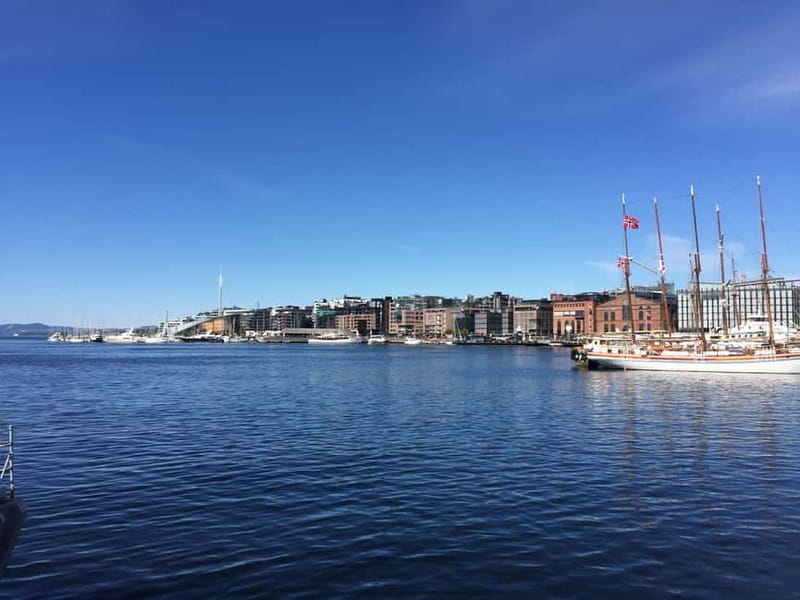
- Holmenkollen photo stop plus a city-and-fjord viewpoint that frames Oslo fast
- Vigeland Sculpture Park guided walk with story time for those 200-plus sculpture groups
- Fram Museum focus on polar exploration using the actual ship Fram
- Summer-season Folk Museum, winter-season Kon-Tiki so the day matches the time of year
- Bus tour coverage of downtown landmarks so you get the full map in one shot
- Some walking on steps and uneven ground in the park and open-air areas
Getting Oriented in Oslo on a 5.5-Hour Coach Tour
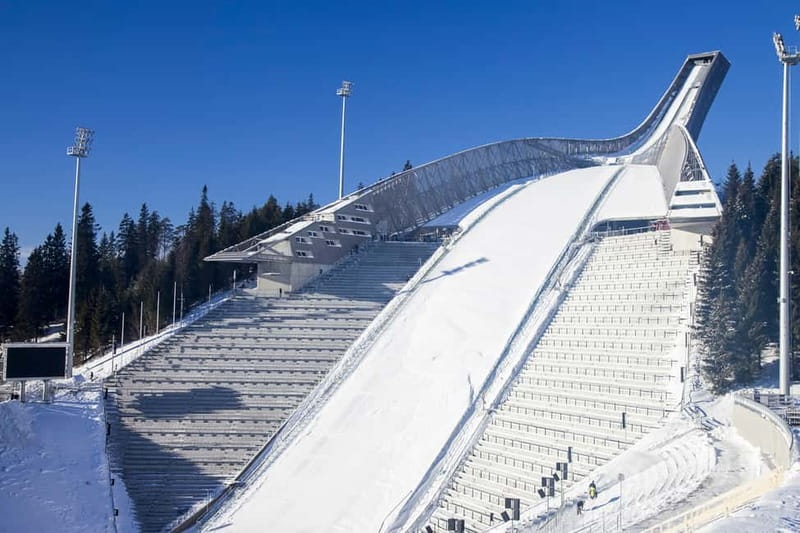
This is a smart format for your first visit to Oslo because it does two jobs at once: it gives you city orientation from the bus, then adds hands-on stops where you can actually look around. In five and a half hours, you’ll see a lot of what people mean when they say Oslo is a capital with a big civic spine, plus waterfront culture.
I like that the bus portion is not random. You pass major landmarks such as the Royal Palace, Oslo City Hall, the Parliament building, and the Old Town area around Akershus Fortress and Castle. You’ll also roll past cultural anchors like the National Museum, Aker Brygge, the Opera House, the new Munch Museum, Oslo Cathedral, and the Nobel Institute. Even if you only catch glimpses, it helps you connect the dots later when you explore on your own.
One practical note: there’s no hotel pickup. You’ll meet at Haakon VIIs gate 1, 0161 Oslo, near the toy shop Sprell, and you’ll need to exchange your voucher on the bus before departure. Look for a white coach reading Oslo Sightseeing on the sides.
More Museums in Oslo
- Kon-Tiki Museum Entrance Ticket
★ 4.5 · 1,096 reviews - Oslo: Paradox Museum Entry Ticket
★ 4.3 · 799 reviews - The Fram Museum Admission Ticket
★ 4.5 · 490 reviews
Downtown Sights You See Best From the Bus
The downtown loop matters because Oslo is designed in layers. From the coach, you can watch how the city shifts from palace-and-parliament power to museums and waterfront modernity. That context is exactly what makes the later stops feel more meaningful, especially when you reach Vigeland and the museums on Bygdøy.
Here’s what the bus stops and passes do for you:
- Royal Palace and civic buildings give you the official Oslo vibe right away
- Old Town plus Akershus Fortress and Castle anchors the medieval-to-historic feel
- Opera House and Aker Brygge show the modern harbor face of the city
- Oslo Cathedral and Nobel Institute add cultural depth beyond the postcard shots
This is also where a great guide earns their keep. In many of the guide performances tied to this tour, the storytelling style is praised for being clear, funny, and full of small details that make a place stick. Names that show up often include Christopher, Elena, Anitta, Anita, Randi, and Harold, and the common thread is that you don’t just hear dates. You get context and connections.
Holmenkollen Hill, Ski Jump Views, and Why It Feels So Oslo
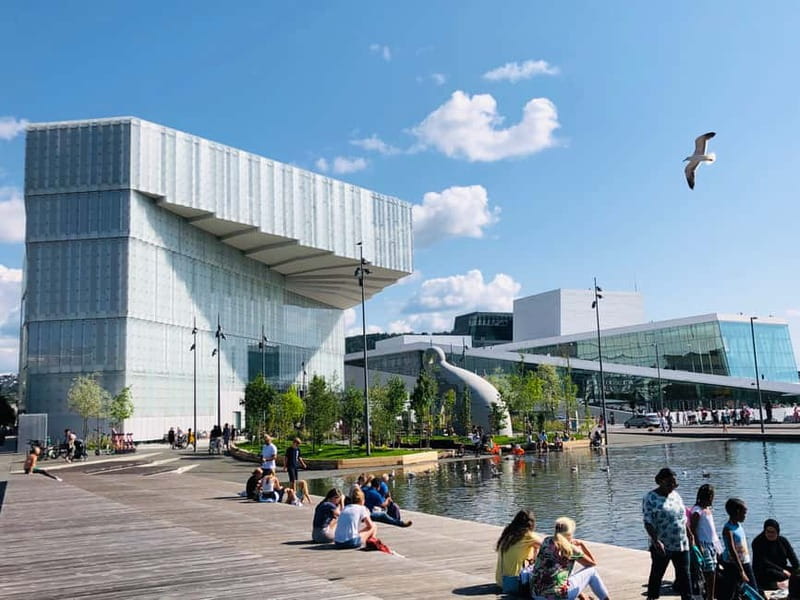
Holmenkollen is one of those places that turns into a memory instantly. You’ll head up the hill into the exclusive residential and recreational area around the Ski Jump, and you get a photo stop at the famous structure built right into the slope. Even without walking much, the viewpoint matters because you can look out over the city and toward the fjord.
The best part here is the shift in scale. Downtown Oslo feels tight and composed. Up at Holmenkollen, Oslo suddenly looks bigger, and you understand how the city’s geography supports winter sports culture. It’s not just a monument. It’s a cue for the Norwegian mindset of making the outdoors part of daily life.
If you’re sensitive to cold, plan for it. This stop is short, but weather on the hill can be sharp. Dress for wind and wet if you’re traveling shoulder season or winter.
Frogner Park and Vigeland Sculpture Park Walking Tour
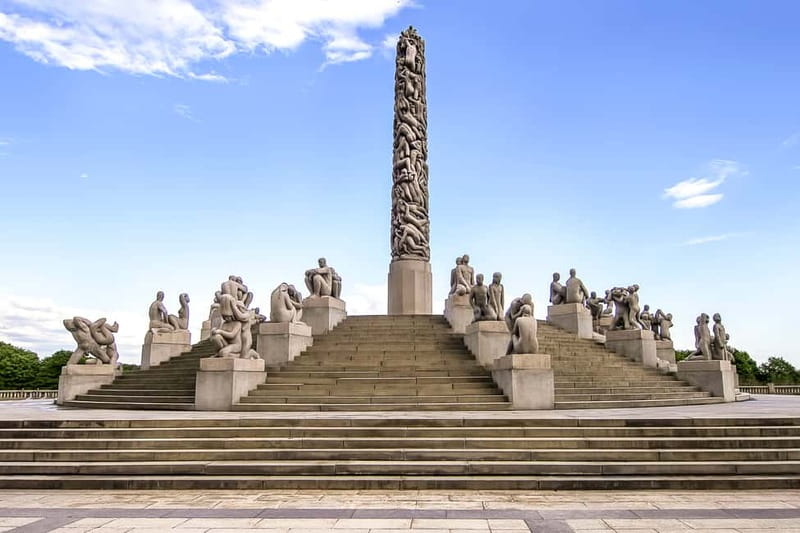
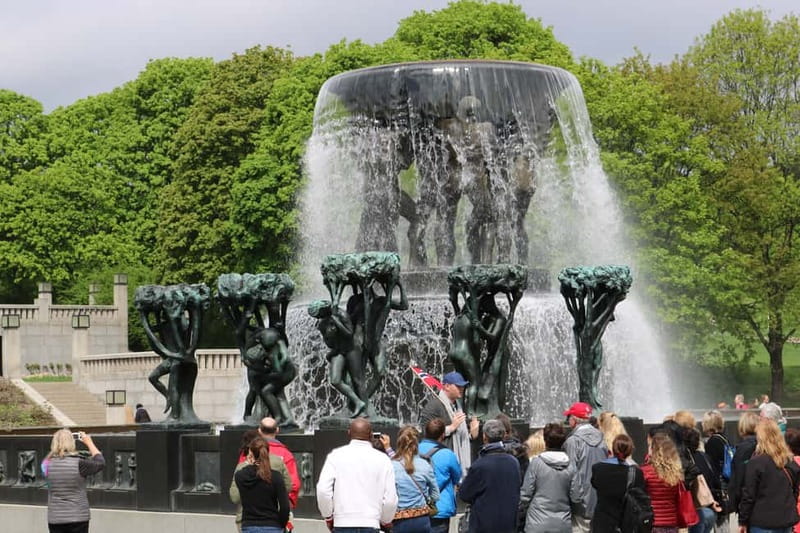
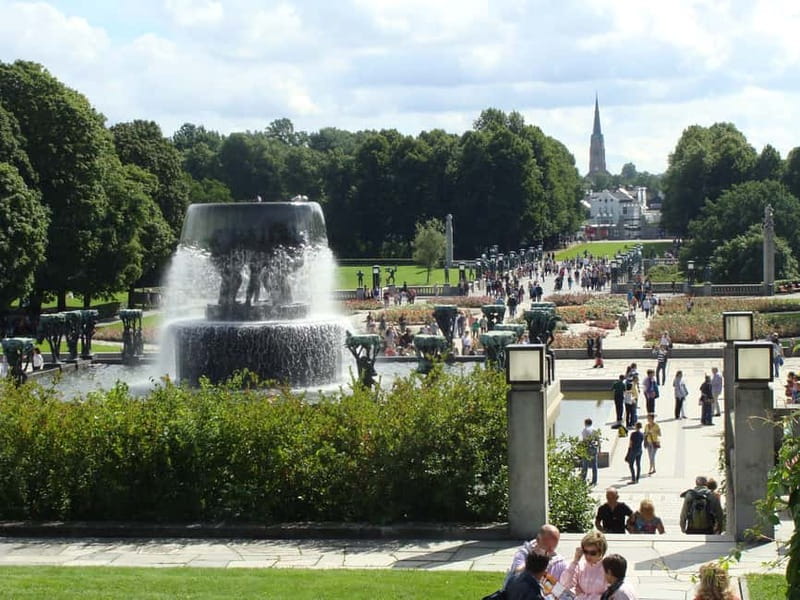
This is the highlight for a lot of people, and I get why. Frogner Park is where Oslo turns artistic and personal, and Vigeland Sculpture Park is not just a collection of sculptures. It’s a walking narrative, with the work of Gustav Vigeland presented through more than 200 groups of sculptures cast in bronze or carved in granite.
Your time here includes a guided walking tour, which is the difference between seeing statues and understanding them. The guide talks about Vigeland’s life and connects the themes you see as you move through the park. That matters because many of the pieces reward you for slowing down for a moment to read the mood.
What to expect physically: the park includes steps and uneven terrain, so it’s not the easiest walk for everyone. If mobility is a concern, you’ll want to take it at your own pace and wear shoes with solid grip. A slower rhythm is fine here, because the sculptures are meant to be looked at, not rushed past.
Same corner of the country, a completely different day out:
- Oslo: Oslo Fjord Sightseeing Cruise by Sailing Ship
★ 4.5 · 5,790 reviews - Oslo: Scenic Fjord Cruise with Audio Guide Commentary
★ 4.5 · 5,375 reviews - Oslo Nature Walks: Island Hopping Tour
★ 4.8 · 2,713 reviews - Oslo: 24 or 48-Hour Hop-On Hop-Off Sightseeing Bus GrayLine
★ 4.0 · 2,088 reviews
Bygdøy Peninsula Museums: Two Different Flavors of Norway
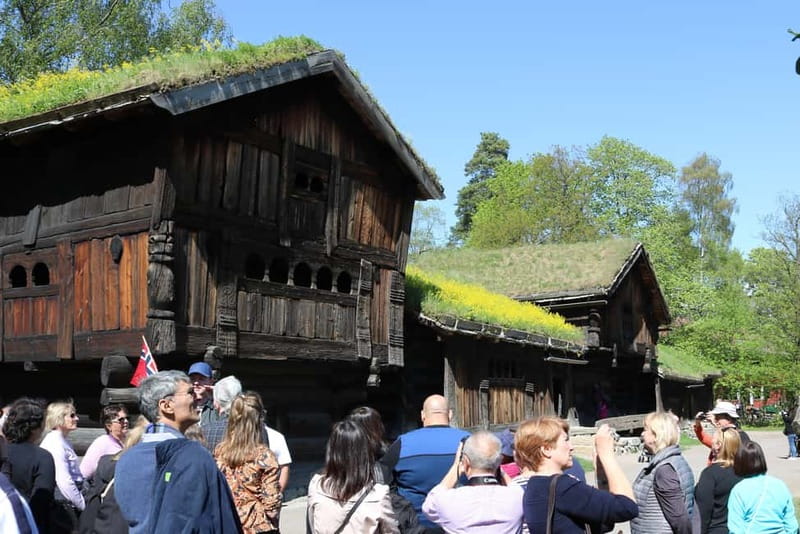
After Holmenkollen and Vigeland, the tour heads to the Bygdøy Peninsula, where Oslo puts a big chunk of its museum identity. This is a great move because it pulls you out of the center and into a quieter, more scenic area. The museum pairing is also clever: it mixes exploration and national story with either traditional life or a 20th-century adventure.
You’ll visit the Fram Museum, and then you’ll see either:
- the Norwegian Folk Museum in summer, or
- the Kon-Tiki Museum in winter
That seasonal swap is a practical advantage. Instead of repeating the same museum set year-round, the tour matches the calendar. One important scheduling detail: on Mondays in April and October, and during season November to March, the tour visits Kon-Tiki instead of Folk Museum.
Inside the Fram Museum, the Ship That Sailed Farther
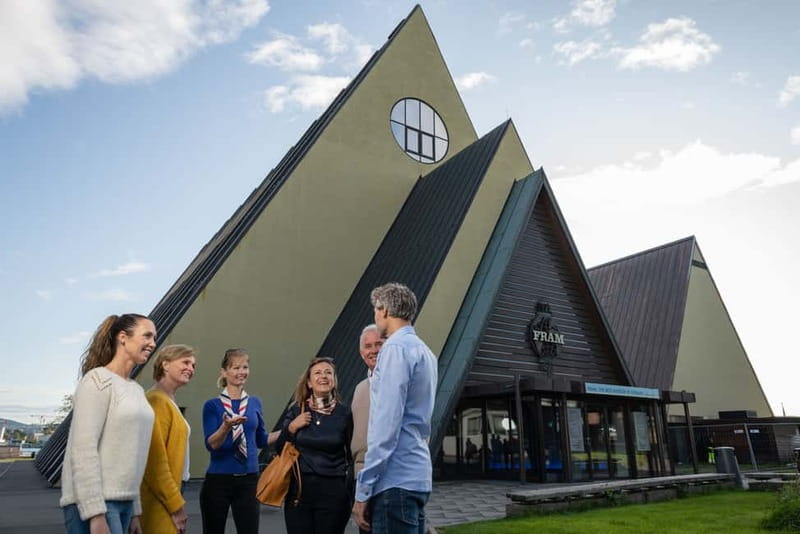
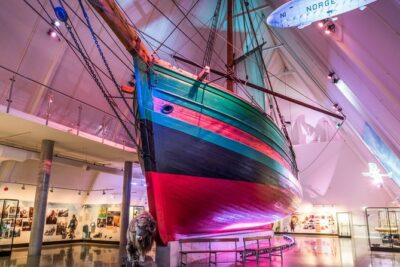
Fram Museum is the kind of place that makes you sit up straight, even if you think you’re not a “museum person.” You see the original polar ship Fram, described as the strongest wooden ship that sailed the farthest north and farthest south. That single fact sets the tone. It’s not a vague history lesson, it’s a real object that looks built for stubborn survival.
The guide support here is a big plus, because the museum story connects with Norway’s polar expedition legacy. You’ll learn about Norwegian explorers and what made those journeys so difficult, including the kind of ice-and-weather problems you can’t truly picture until you’re standing near the ship.
This is also where the tour format has a downside. Because everything is packed into a half-day, your time can feel a bit short if you love details. If you want to read every interpretive panel, you might want to plan an extra museum visit on your own another day. Still, as a first pass, this stop gives you a lot for the time.
Norwegian Folk Museum in Summer, Old Houses and a Stave Church
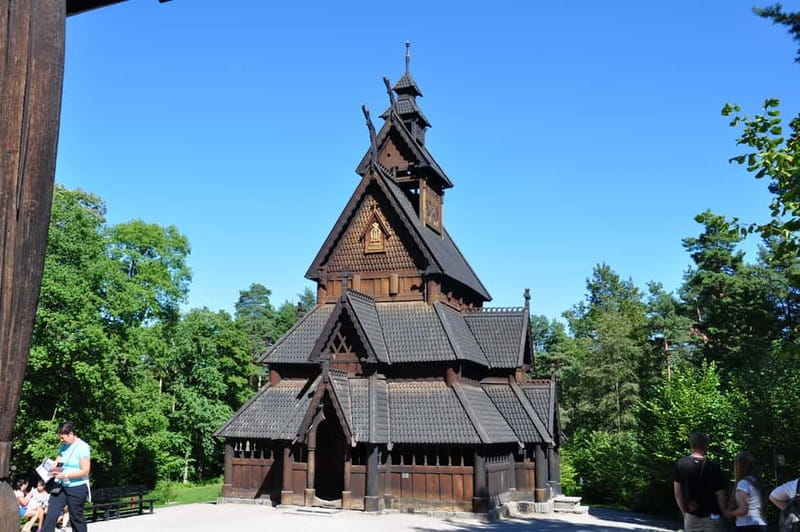
In summer, the tour shifts from polar exploration to the everyday Norway of earlier centuries. At the Norwegian Folk Museum, you’ll get an outdoor collection of old Norwegian houses and a picture-perfect Stave Church. This kind of museum is built for wandering, because you move through buildings and imagine how people lived.
Be ready for walking on terrain that can be uneven, since the open-air setting means steps and surfaces outside. The tour description flags moderate walking on steps and uneven terrain here, so plan shoes accordingly.
The biggest value of Folk Museum is atmosphere. It’s not just an indoor exhibit with glass cases. It’s a place where Norway’s architecture feels tangible. If you like cultural context, this complements what you learned in the city bus portion, where Oslo’s civic and modern faces were front and center.
Kon-Tiki Museum in Winter, a Balsa Raft That Crossed the Pacific
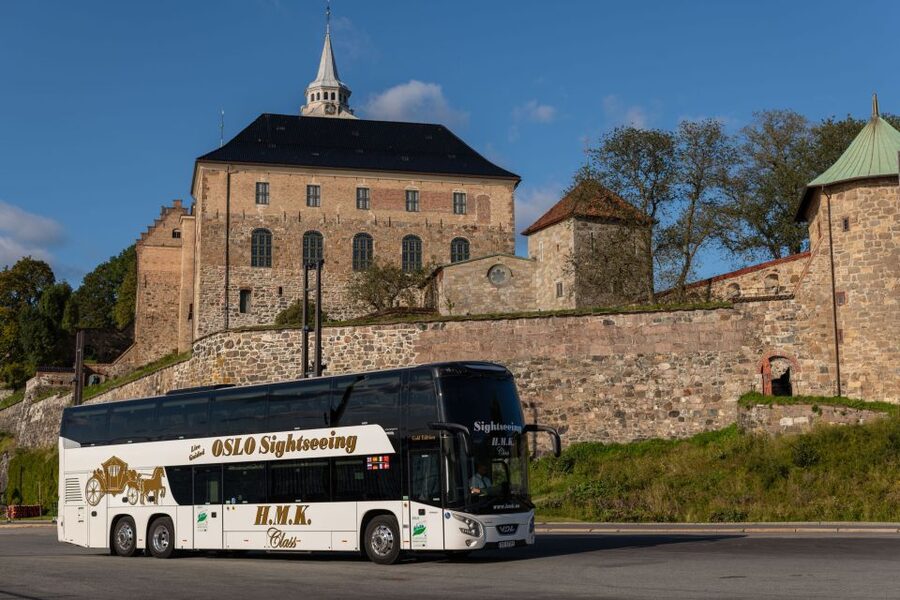
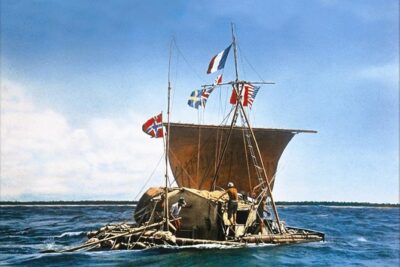
In winter, you swap Folk Museum for Kon-Tiki Museum, focused on the balsa raft that crossed the Pacific Ocean in 1947. This visit brings the adventure angle in a way that feels accessible even if you’re not a hardcore history reader.
I like this change because winter days can be long and gray, and Kon-Tiki offers motion and momentum. The balsa raft story also works well as a bridge between Fram’s polar pushing and a different kind of expedition mindset: risk-taking, craft, and belief.
As with Folk Museum, your time is limited by the 5.5-hour format. If you’re the type who likes to linger, budget extra time on another day to return at your own pace.
Price and Value for $99, What You Really Get
At about $99 per person for a 5.5-hour guided day, the question is simple: do you get enough to feel it was worth it? In practice, this tour includes guided city sightseeing, a Holmenkollen photo stop, a Vigeland guided walk, and museum entry for Fram plus the seasonal second museum.
That’s a lot of “paid items” bundled together: transport by air-conditioned coach, guide time, and museum admission. Some people also note that the overall cost can feel close to buying tickets and local transport separately, but with the advantage of having a guide stitch everything into a coherent route. The comfort factor matters too, since transport is rated highly, with a large share of visitors giving it top marks.
So the value case is strongest if:
- you want Oslo highlights in one day
- you’re new and want orientation before independent wandering
- you prefer guided storytelling over self-paced ticket-hunting
If you’re already deep into Oslo and only need one museum, you might do better choosing a single site and spending more time there. But for first-timers, this package is built for efficiency without feeling purely utilitarian.
The Pace: Where the Tour Feels Great, and Where It Moves Fast
This tour hits a sweet spot for many people: bus coverage for breadth, walking for depth, and museums for substance. It’s also why you see so many “first visit” recommendations. You finish the day with a strong sense of Oslo geography and themes: city power, art through Vigeland, and Norway’s exploration and traditions through Bygdøy.
Still, it moves at half-day speed. That means:
- museum time can feel brief if you want long reading breaks
- walking is part of the day, with steps and uneven ground at key points
On the listening side, one practical tip is worth knowing. If your group is large during the walking parts, sound can be harder to catch at ground level. That’s not a reason to skip, it’s just why you should arrive with the mindset to ask a question if something is unclear.
Who This Tour Is Best For
This is a good fit if you:
- are short on time and want multiple Oslo icons in one outing
- want a guide to explain what you’re seeing at Vigeland
- like museum variety, with polar exploration plus either folk culture or Kon-Tiki
- enjoy a mix of bus viewing and short walking stretches
It may be less ideal if you:
- need step-free routes, since the park and open-air museum areas involve uneven ground
- want hours in one museum, because the schedule is built around coverage
If you’re traveling with limited time but unlimited curiosity, this format tends to work well.
Should You Book This Oslo Discovery Tour?
I’d book it if you’re doing a first trip to Oslo and want a guided hit list that doesn’t feel like a checklist. The combination of Holmenkollen views, a Vigeland Park guided walk, and the Fram Museum plus a second museum on Bygdøy is a strong mix of skyline, art, and Norwegian story.
I’d skip or modify it if you know you’ll want long museum immersion, because the half-day pace can cap your time in each building. For most visitors though, this is one of the easiest ways to get the city into your head fast, then decide what to revisit later.
FAQ
How long is the Oslo Discovery Tour with 2 Museums Included?
The tour lasts about 5.5 hours.
Which museums are included, and does it change by season?
You visit the Fram Museum, plus either the Norwegian Folk Museum or the Kon-Tiki Museum. The Folk Museum is visited in summer, and Kon-Tiki is visited in winter. On Mondays in April and October and during November to March, the tour goes to Kon-Tiki instead of Folk Museum.
What are the main stops during the sightseeing part?
The bus tour includes major downtown sights such as the Royal Palace, City Hall, Parliament building, Old Town with Akershus Fortress and Castle, the National Museum, Aker Brygge, the Opera House, the new Munch Museum, Oslo Cathedral, the Nobel Institute, and Frogner Park with Vigeland sculptures.
Is lunch included in the price?
No, lunch is not included.
Where do I meet, and how do I find the right bus?
Meet at 09:45 at Haakon VIIs gate 1, near the toy shop Sprell. You need to exchange your voucher on the bus before the tour begins, and you should look for a white coach reading Oslo Sightseeing.
Is there walking or uneven ground during the tour?
Yes. The tour involves a moderate amount of walking on steps and uneven terrain during the guided time in Vigeland Sculpture Park and when visiting the Open Air Museum at the Folk Museum.
Recently added around Oslo
- 4 hours Best View of the Oslofjord Winter Edition★ 4.0 · 15 reviews
- Oslo Winter Highlights Bike Tour★ 5.0 · 36 reviews
- Winter Forest Walk and Campfire by Torchlight in Oslo★ 4.5 · 20 reviews
- Viking Planet Oslo Combination Ticket (Museum +VR Game)★ 4.0 · 13 reviews
- Unknown war. Oslo and Norway during 1940-45★ 5.0 · 74 reviews
- The Ultimate Norwegian Skiing Experience★ 5.0 · 16 reviews
- The Viking Planet Museum – Mini Group (4 adults)★ 4.0 · 16 reviews
- The Ultimate Study of the Human Form at Vigeland’s Sculpture Park with a Local★ 4.0 · 14 reviews
Museum Visits, compared.
Troll Museum Entry Ticket with AR Media Experience
Read our review →
Aksla-Alnes-Giske-Sunnmøre museum 100 % Highlights 4.5 H
Read our review →

Maihaugen Museum/The Norwegian Olympic Museum, Lillehammer.
Read our review →Browse the lists this tour appears in