
Review · MUSEUM VISITS
Oslo: Paradox Museum Entry Ticket
Your eyes will argue with you. Paradox Museum Oslo turns perception into an interactive game, with 70+ mind-bending exhibits and lots of photo-friendly moments designed for quick, fun stops.
I especially like the way each illusion is explained using plain descriptions and QR codes, so you are not just guessing. I also like the clearly marked photo points, which helps you get the best shot without wasting time. One thing to consider is that the museum is self-guided and can feel a bit short or uneven if you expect constant help at every exhibit.
In This Review
- Key Highlights Worth Planning For
- What You Do in an Hour: the One-Way Illusion Route
- Getting There Fast: Nationaltheatret and Stortinget
- Price in Oslo: Is $29 Worth It for Interactive Illusions?
- Photo Points and QR Codes: How to Get the Science and the Shots
- What the Museum Teaches About Perception, Physics, and Perspective
- Staff Support and Timing: Languages, Help with Pictures, and Exhibit Glitches
- Bring the Paradox Home at the Paradox Boutique
- Who Should Book This Mind-Bender (and Who Might Skip It)?
- Should you book Paradox Museum Oslo?
- FAQ
- How much is the Paradox Museum Oslo ticket?
- How long is the experience?
- Where is the museum located, and what are the nearest public transport stops?
- How do I check in for my time slot?
- What languages are available for staff or greeters?
- Is the museum wheelchair accessible?
- Is the route self-guided?
- Are food and drinks allowed inside?
- What is included with admission?
- What is the cancellation and payment flexibility?
Key Highlights Worth Planning For
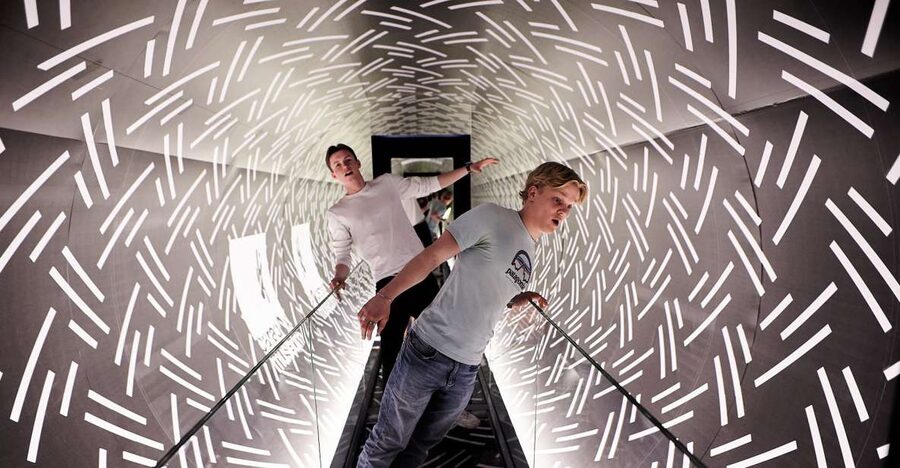
- 70+ interactive exhibits that challenge perception, physics, and perspective in a one-way route
- Marked photo points that make it easier to get the angle right
- QR codes and written explanations that turn the trick into a learning moment
- Staff support in key areas, including help with photos, with English and Norwegian
- Paradox Boutique access, so you can extend the fun with games and souvenirs
What You Do in an Hour: the One-Way Illusion Route
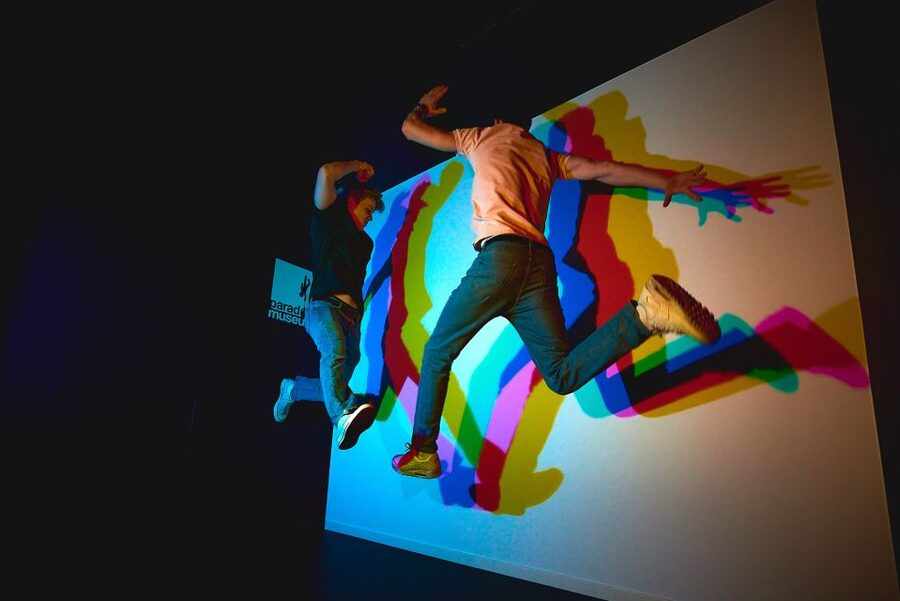
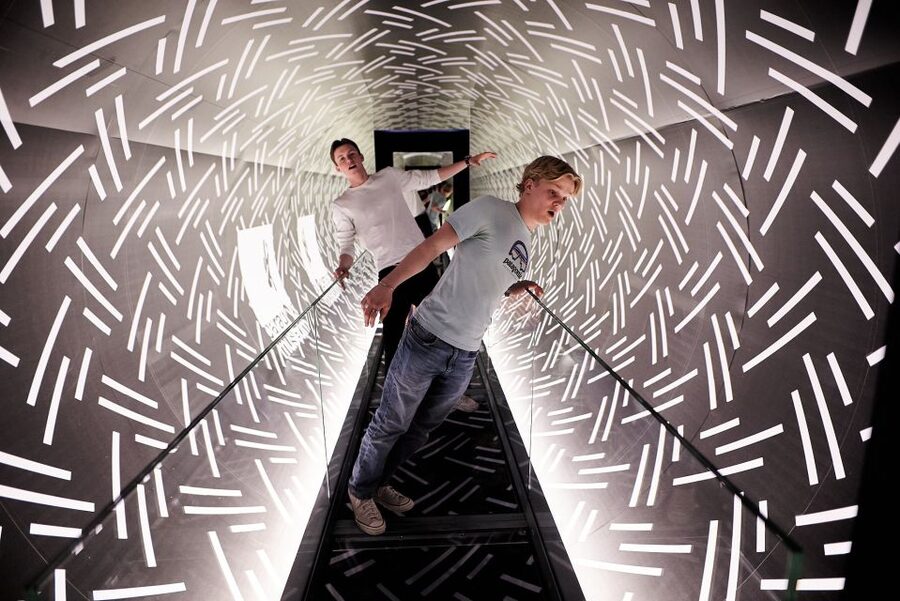
Paradox Museum Oslo is built for hands-on, eye-bending fun. You follow signs through a one-way flow, so you do not need to think about where to go next. That sounds simple, but it matters. A lot of interactive spaces lose people when there is no clear direction. Here, you get a guided path without a formal lecture.
The ticket duration is listed as 1 hour, and that is a good planning target. If you stop often to take photos and test different angles, you might spend longer than you expected, but the experience is clearly designed to move. The best approach is to treat it like a highlight loop: try the illusion, snap the shot, then check the explanation.
You can also expect a mix of visual tricks. The museum leans heavily into what your brain does when it gets conflicting clues. Some exhibits feel like modern versions of the older optical-art style you might recognize from places like the Escher-adjacent world of tricky lines and perspective. Others are more about physics and how the camera, lighting, and your position change what you see.
The payoff is that you leave with more than memories. You get small chunks of “how it works” you can use later when you spot similar effects in real life. And because it is interactive, the learning feels less like homework and more like play.
More Museums in Oslo
- Kon-Tiki Museum Entrance Ticket
★ 4.5 · 1,096 reviews - The Fram Museum Admission Ticket
★ 4.5 · 490 reviews - Oslo: Oslo Discovery Tour with 2 Museums Included
★ 4.7 · 376 reviews
Getting There Fast: Nationaltheatret and Stortinget
Paradox Museum Oslo sits in central Oslo, and that is part of the value. You are close to major transit stops, with Nationaltheatret and Stortinget just a couple of minutes away. That matters because this is a 1-hour style activity, so you want the commute to be painless.
Plan to show your ticket at the entrance. You also check in 10 minutes before your booked time, which helps the one-way flow stay smooth and reduces crowd snags at the start. If you arrive early, you can still get oriented before the slot begins, but do not plan to wander in without checking in.
Food and drinks are not allowed inside. So if you want a snack day, do it before you enter or plan something right after. It is not a “big rule,” but it affects how you time the visit, especially if you are doing this between other Oslo sights.
Price in Oslo: Is $29 Worth It for Interactive Illusions?
At around $29 per person, this is not a bargain ticket. Oslo pricing can be higher than many cities, and this falls into the category of “pay for a playful experience.” The question is whether you will get enough enjoyment and learning for that cost.
Here is how I would judge value. You are paying for three things at once:
- Admission to the exhibition areas, so you do not have to add anything once you are inside
- The design of a self-guided interactive route (not just passive viewing)
- Access to the Paradox Boutique, which gives you an easy way to buy a souvenir or a game that matches the theme
The experience is also tightly timed. If you are the type who wants lots of variety in a short window, it fits. If you are expecting a huge museum with deep explanations everywhere, you may want more than this. One common theme is that some illusions feel simpler or even a bit familiar, while others are better executed and more entertaining in person.
So, is $29 fair? For many people, yes, because you get immediate fun and plenty of photo-ready moments. If you tend to be disappointed by mostly visual, mostly self-guided attractions, you may feel the price more than you would at a traditional museum.
Photo Points and QR Codes: How to Get the Science and the Shots
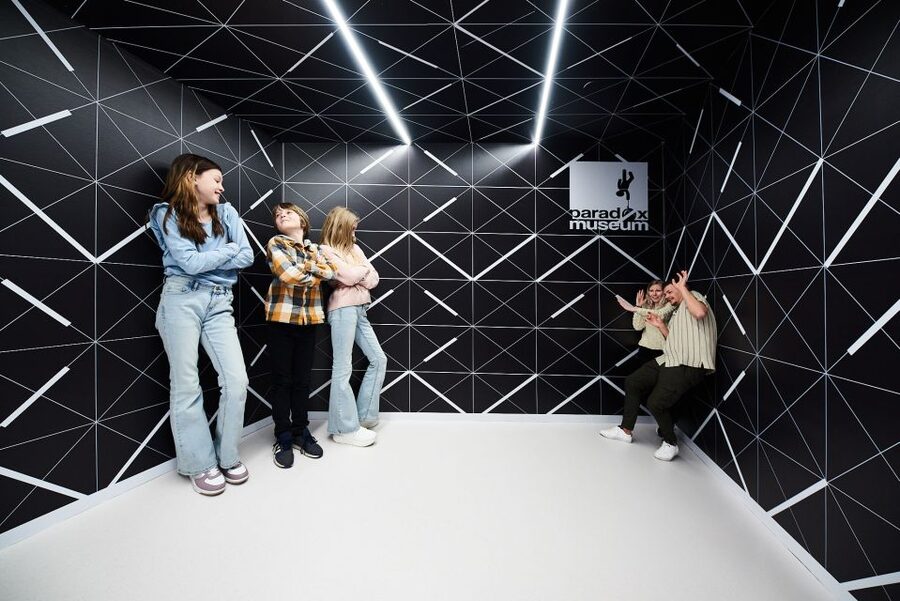
This place is built for cameras. The museum has clearly marked photo points, which is a big deal if you hate wandering around trying to find the “right spot.” You step into position, the illusion does its thing, and you get the effect your phone will actually capture.
Here is the practical move. Do not treat every exhibit as “take one photo and move on.” Instead, do a quick cycle:
- Stand where the photo point suggests
- Take one shot
- Then adjust your angle slightly and take one more
That way, you end up with at least one frame that matches what you saw with your own eyes. And because the lighting and your position matter, the second attempt usually works better.
You also get explanations through descriptions and QR codes. That turns the visit from pure spectacle into something you can understand. Even if you do not read every panel, scanning the QR text for the illusion you just experienced helps you connect the trick to the concept behind it, like perception errors, physics, or perspective.
One important consideration is help with photos. The staff are friendly and professional, and help is available, but it may not happen at every station. Some areas are better for photo assistance than others. If you want extra help, I would plan to ask early in your visit, not after you have already done the tricky spots.
If you meet staff and you are chatting for a photo moment, note that English and Norwegian are supported, so you should not feel stuck.
Same corner of the country, a completely different day out:
- Oslo: Oslo Fjord Sightseeing Cruise by Sailing Ship
★ 4.5 · 5,790 reviews - Oslo: Scenic Fjord Cruise with Audio Guide Commentary
★ 4.5 · 5,375 reviews - Oslo Nature Walks: Island Hopping Tour
★ 4.8 · 2,713 reviews - Oslo: 24 or 48-Hour Hop-On Hop-Off Sightseeing Bus GrayLine
★ 4.0 · 2,088 reviews
What the Museum Teaches About Perception, Physics, and Perspective
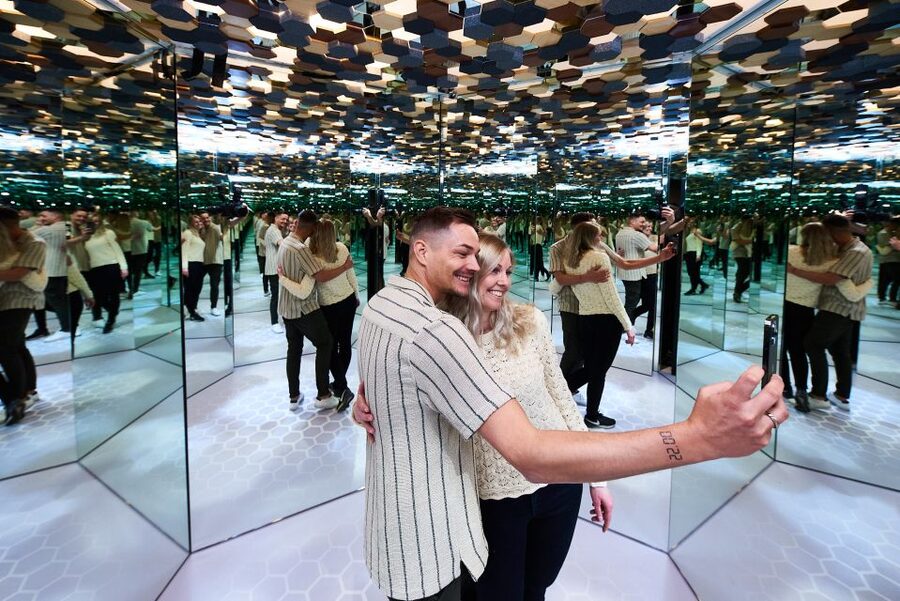
Paradox Museum Oslo is not trying to be a lab museum. It teaches through interaction. The focus is on how your brain interprets input, often when the visual cues do not agree with each other.
The museum’s main promise is right there in the exhibit design. You will see effects tied to:
- Perception, meaning what you believe you are seeing can be wrong
- Physics, including how motion, reflections, and geometry affect outcomes
- Perspective, meaning your position and the way lines converge can change everything
This is where the experience becomes more valuable for curious adults. You get a set of “aha” moments that explain why the world can look stable while your brain is still making fast guesses. You also get to test those guesses immediately by stepping into the marked positions.
For families and kids, it is a great format because it does not require reading a lot. You can start with play, then add the explanation when interest peaks. For students, it can also work as a light, hands-on intro to visual science and optics. For photographers, it is a fun playground because the illusions often create clean visual compositions.
Now, a balanced note. Some exhibits may feel like they are part of the broader “paradox museum” style. In other words, the idea may be familiar even if the execution is enjoyable. That is why it helps to slow down just a little at each standout moment, read the QR text, and look for what is different about that specific setup.
Staff Support and Timing: Languages, Help with Pictures, and Exhibit Glitches
Staff matter here, and the tone is consistently professional and friendly. You will hear English and Norwegian. If you get stuck, it is the kind of place where a quick question can save you time. The museum also shows clear signs, so you are not left wandering.
Some visitors highlight the energy and helpfulness of the team, and one staff name shows up: Kseniia. If you happen to run into her, that is a good sign for getting an extra smooth start and good guidance on how the museum works.
Still, you should calibrate expectations. This is not a fully guided, one-staff-per-exhibit experience. Help with photos can be concentrated, and at the beginning you might feel a little unsure about what the museum expects from you. That is normal. Once you get the hang of the flow and the photo points, the place becomes much more straightforward.
There is also the reality of interactive exhibits. Occasionally, an installation may be glitchy or not working the way you want. That does not erase the fun, but it is one reason I would not treat the visit like a guaranteed “perfect shot” marathon. If one exhibit is off, you move on, and there are plenty of other effects to keep you busy.
Bring the Paradox Home at the Paradox Boutique
The ticket includes access to the Paradox Boutique, and I like that it is part of the experience rather than a random afterthought. It is the easiest way to keep the theme going once you leave the exhibit rooms.
You can expect games and souvenirs related to the concept, so it is a natural stop for families who want a take-home item. It also works well for adults who like optical effects and want something they can try later at home.
This is also where the experience can justify itself for some budgets. If you were already planning to buy a small souvenir, bundling the boutique access means you can choose something that fits the visit, not just a generic Oslo trinket.
If you are trying to keep spending controlled, set a mental limit before you enter. The boutique is right there, and it is easy to get tempted by the theme.
Who Should Book This Mind-Bender (and Who Might Skip It)?
This is a strong match for:
- Families who want an activity that is active, not just observational
- Friends and couples who like photo-friendly stops
- Students or curious adults who enjoy perception and physics concepts in a light format
It can also work for a solo visit, especially if you like testing illusions and getting your own best angle without negotiating with someone else.
You might hesitate if you:
- Prefer fully guided museum experiences with in-depth explanations at every station
- Want a huge museum with a lot of content beyond visual trickery
- Are very price-sensitive and need a deeper cultural or historical draw
The sweet spot is simple. If you want fun in a short time, with quick learning and lots of photo moments, this is a good use of an Oslo slot.
Should you book Paradox Museum Oslo?
I would book it if you are staying in central Oslo and want a high-energy, low-stress activity that fits your day. The one-way flow, the marked photo points, and the QR explanations give you structure and payoff without making you plan like a tour guide.
I would think twice if you are expecting a big, traditional museum or if you need constant photo coaching at every exhibit. Also, if you are someone who hates self-guided spaces, the experience might feel more “go figure it out” than you want.
If you do book, come with a simple plan: read a few QR codes, pause at photo points for a couple angles, and accept that a couple exhibits might not be as mind-blowing as the best ones. That mindset turns the ticket into a fun afternoon memory, not a checklist.
FAQ
How much is the Paradox Museum Oslo ticket?
The price is listed as $29 per person.
How long is the experience?
The duration is listed as 1 hour.
Where is the museum located, and what are the nearest public transport stops?
It is in Oslo Municipality, and the closest stops are Nationaltheatret and Stortinget, both just a couple of minutes away.
How do I check in for my time slot?
Show your ticket at the entrance of the museum, and check in 10 minutes before your booked time.
What languages are available for staff or greeters?
The host or greeter offers English and Norwegian.
Is the museum wheelchair accessible?
Yes, it is wheelchair accessible.
Is the route self-guided?
Yes. It is a one-way flow experience with signs to follow to each exhibit.
Are food and drinks allowed inside?
No, food and drinks are not allowed.
What is included with admission?
Admission includes access to all exhibition areas and access to the Paradox Boutique.
What is the cancellation and payment flexibility?
You can cancel up to 24 hours in advance for a full refund, and you can reserve now and pay later (pay nothing today).
Recently added around Oslo
- 4 hours Best View of the Oslofjord Winter Edition★ 4.0 · 15 reviews
- Oslo Winter Highlights Bike Tour★ 5.0 · 36 reviews
- Winter Forest Walk and Campfire by Torchlight in Oslo★ 4.5 · 20 reviews
- Viking Planet Oslo Combination Ticket (Museum +VR Game)★ 4.0 · 13 reviews
- Unknown war. Oslo and Norway during 1940-45★ 5.0 · 74 reviews
- The Ultimate Norwegian Skiing Experience★ 5.0 · 16 reviews
- The Viking Planet Museum – Mini Group (4 adults)★ 4.0 · 16 reviews
- The Ultimate Study of the Human Form at Vigeland’s Sculpture Park with a Local★ 4.0 · 14 reviews
Museum Visits, compared.
Troll Museum Entry Ticket with AR Media Experience
Read our review →

Aksla-Alnes-Giske-Sunnmøre museum 100 % Highlights 4.5 H
Read our review →

Maihaugen Museum/The Norwegian Olympic Museum, Lillehammer.
Read our review →Browse the lists this tour appears in